Tbilisi Guide – Theatres and Museums
Tbilisi is a place where every street tells a story and every corner breathes art. The city offers both locals and visitors the opportunity to experience the depth and diversity of its culture, from historic theatres to modern exhibition spaces. In this article, we guide you through Tbilisi’s theatres and museums, places where tradition meets contemporary vision.
Georgian National Museum – A place where history, culture, tradition, and the everyday life of the Georgian people are presented within a single space. If you wish to explore the national treasury that reveals Georgia’s rich past from multiple perspectives at a glance, the Georgian National Museum is a must-visit.
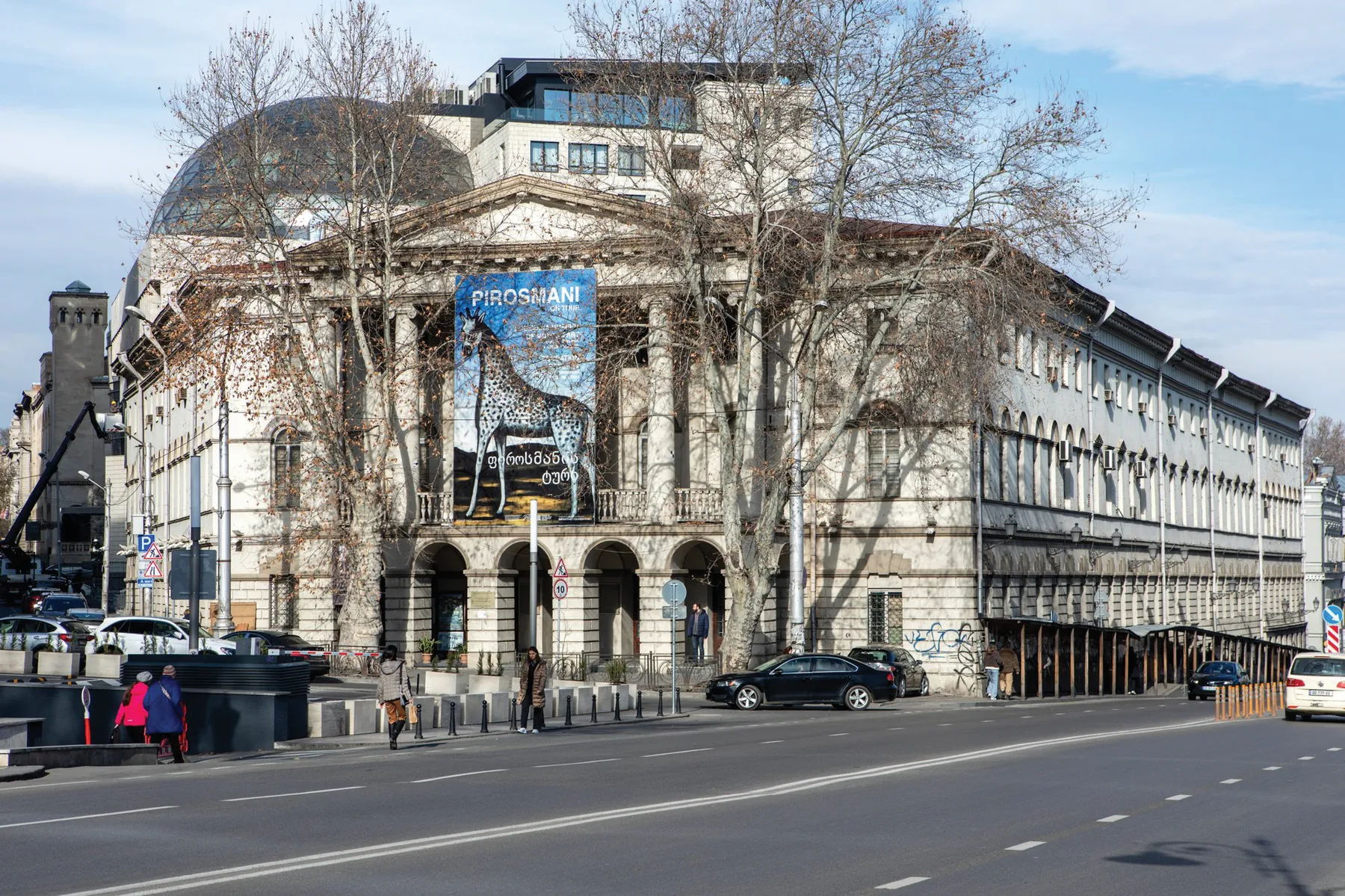
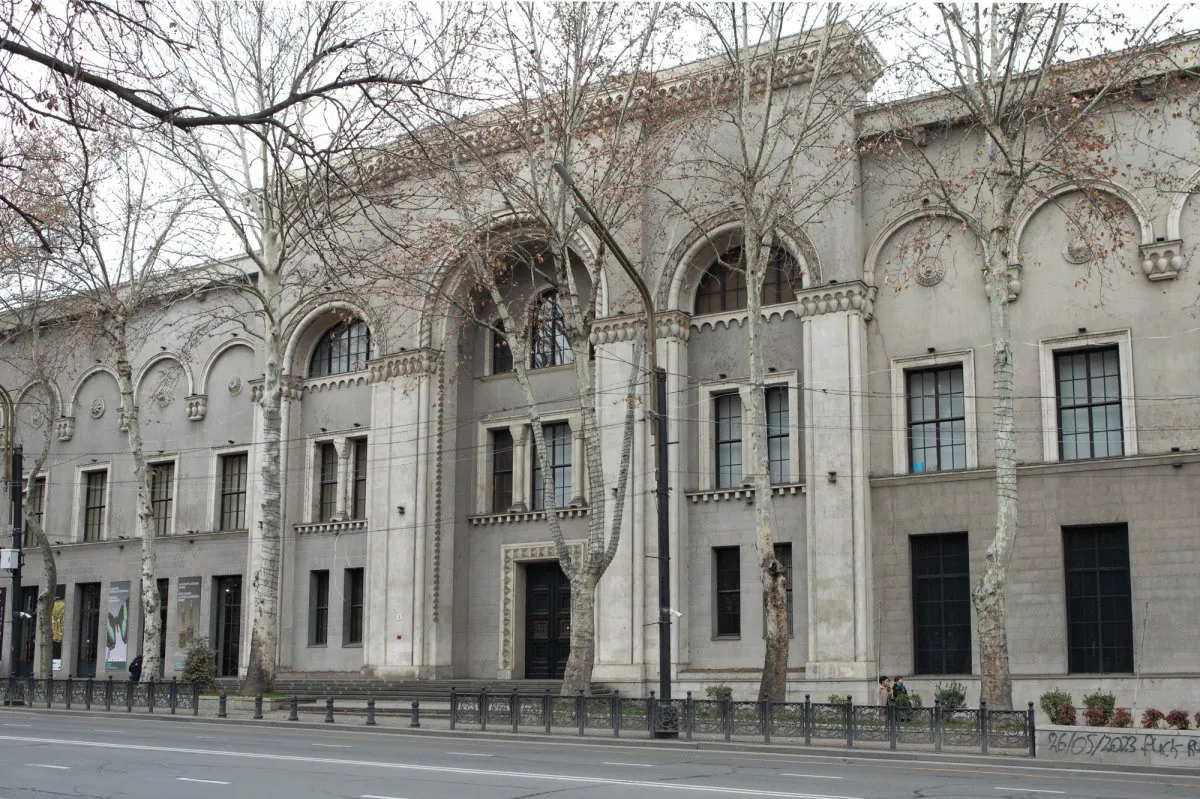
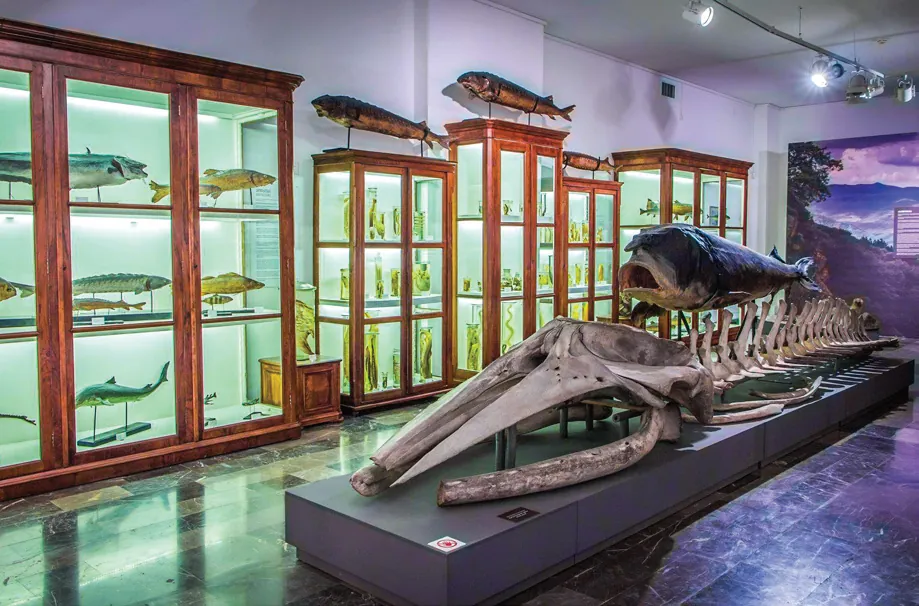
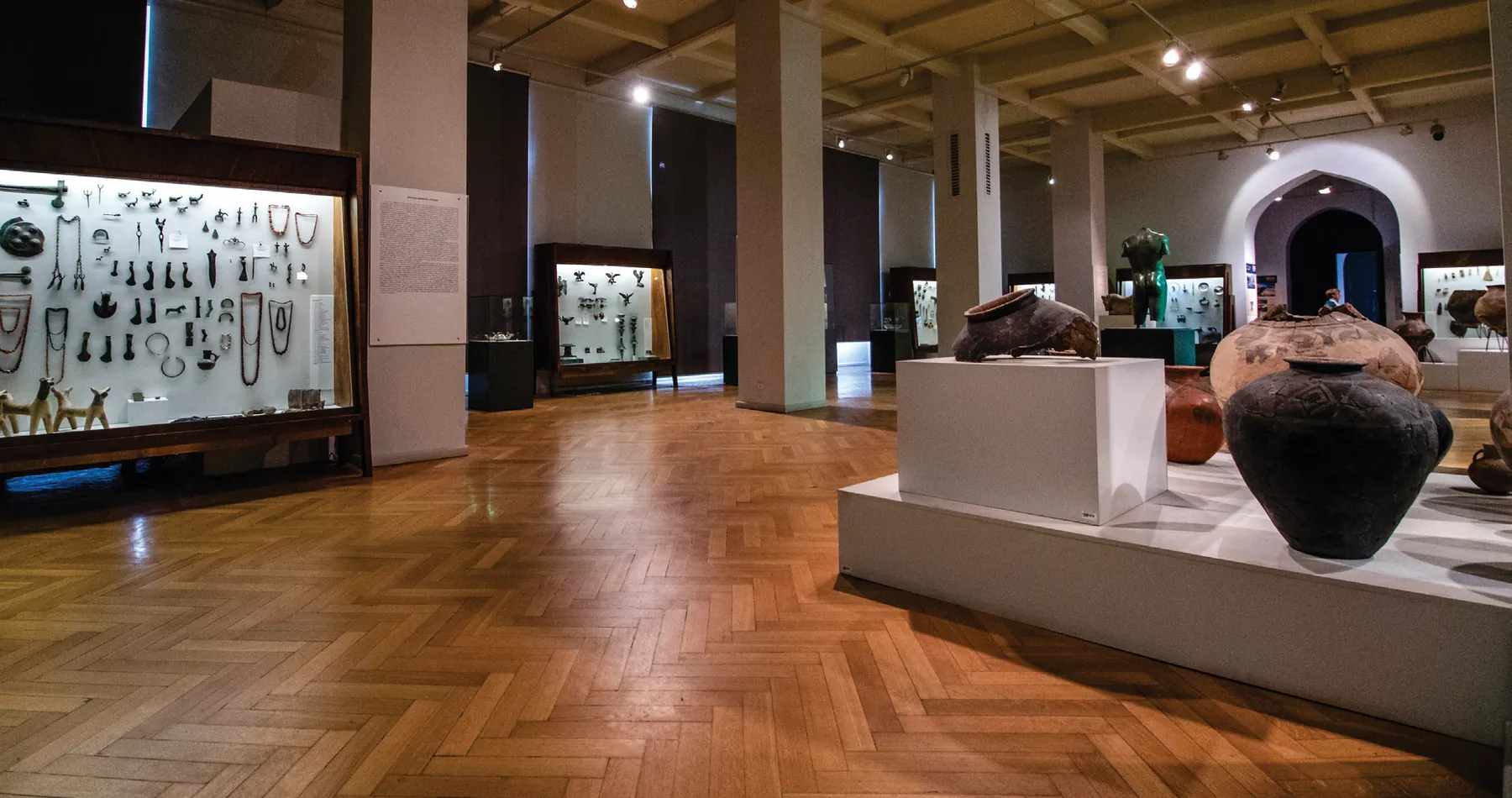
The museum displays national treasures discovered across Georgia, dating from the 3rd–2nd millennia BC to the present day. The Georgian National Museum is an umbrella institution uniting several museums across the country, each preserving significant national collections. The oldest among them is the Simon Janashia State Museum, founded in 1852. The Janashia Museum holds numerous exhibits reflecting the culture and life of Georgian and Caucasian peoples, as well as archaeological and ethnographic materials. Visitors can explore masterpieces of Georgian goldsmithing, ancient Georgian and foreign coins, epigraphic monuments, medieval archaeological displays, and many other forms of Georgian heritage. The museum is located on Freedom Square, a five-minute walk from the Freedom Square metro station.
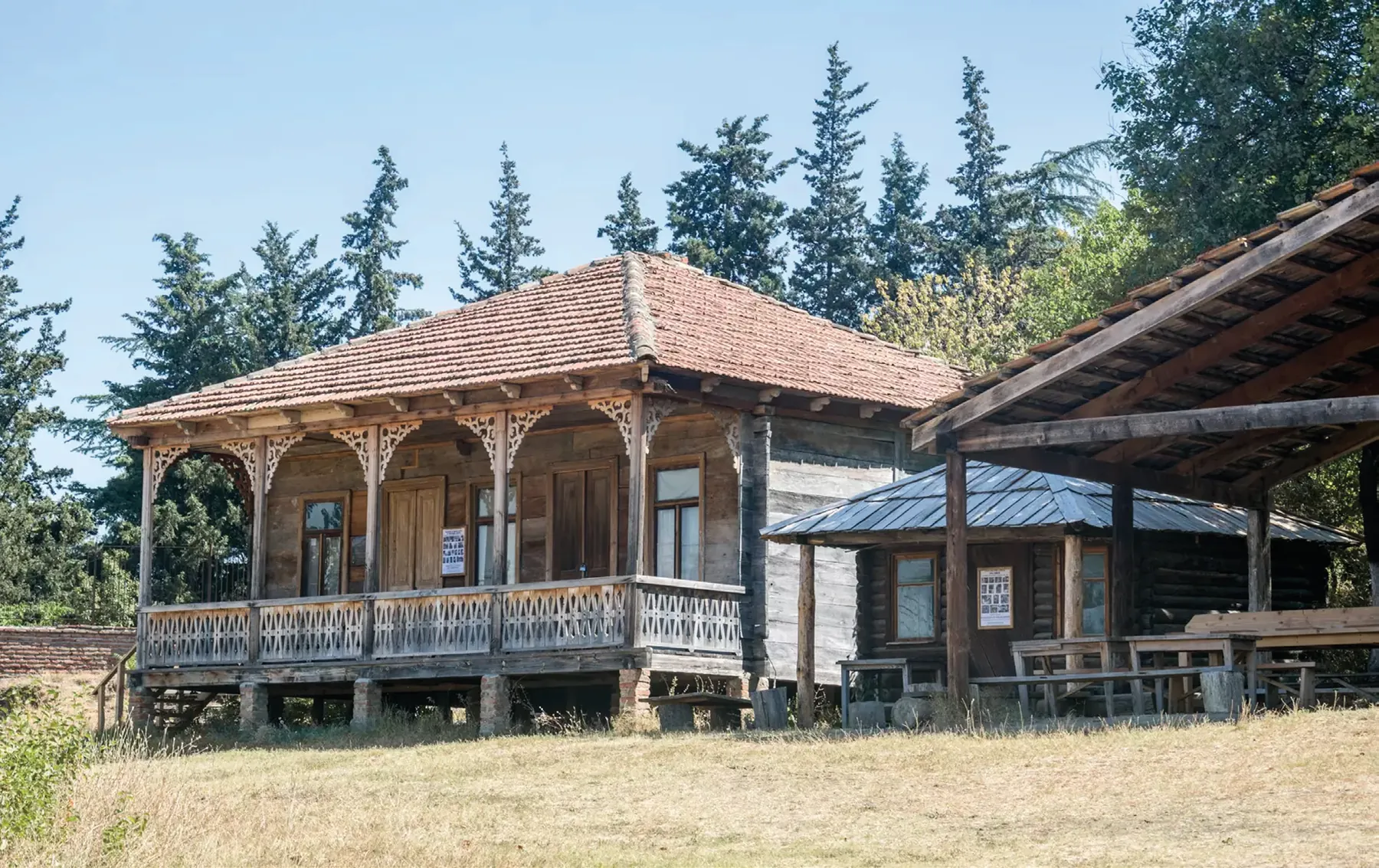
Tbilisi Open-Air Museum of Ethnography – the first ethnographic museum in the Caucasus. More than 8,000 artifacts are preserved here in one space. The open-air museum is named after Giorgi Chitaia, founder of the Georgian Ethnographic School. Established in 1966, it serves as a scientific and educational institution that introduces visitors to the defining elements of Georgian ethnocultural heritage.
The museum consists of 11 zones. Ten zones contain monuments of traditional Georgian architecture, while the eleventh is dedicated entirely to historical and archaeological artifacts. Exhibited here are traditional residential and household structures from various regions of Georgia. Overall, the museum presents the cultural traditions honored by Georgians over the centuries. It also offers young visitors the opportunity to learn traditional blacksmithing and ceramic techniques at its educational center. It is worth noting that the Tbilisi open-air Museum of Ethnography hosts the annual folk festival Art-Gene. The festival allows visitors to discover Georgian folk art, including rare and lesser-known examples, attend exhibitions and artisan markets, and enjoy live Georgian folk music. The museum is located near Turtle Lake.
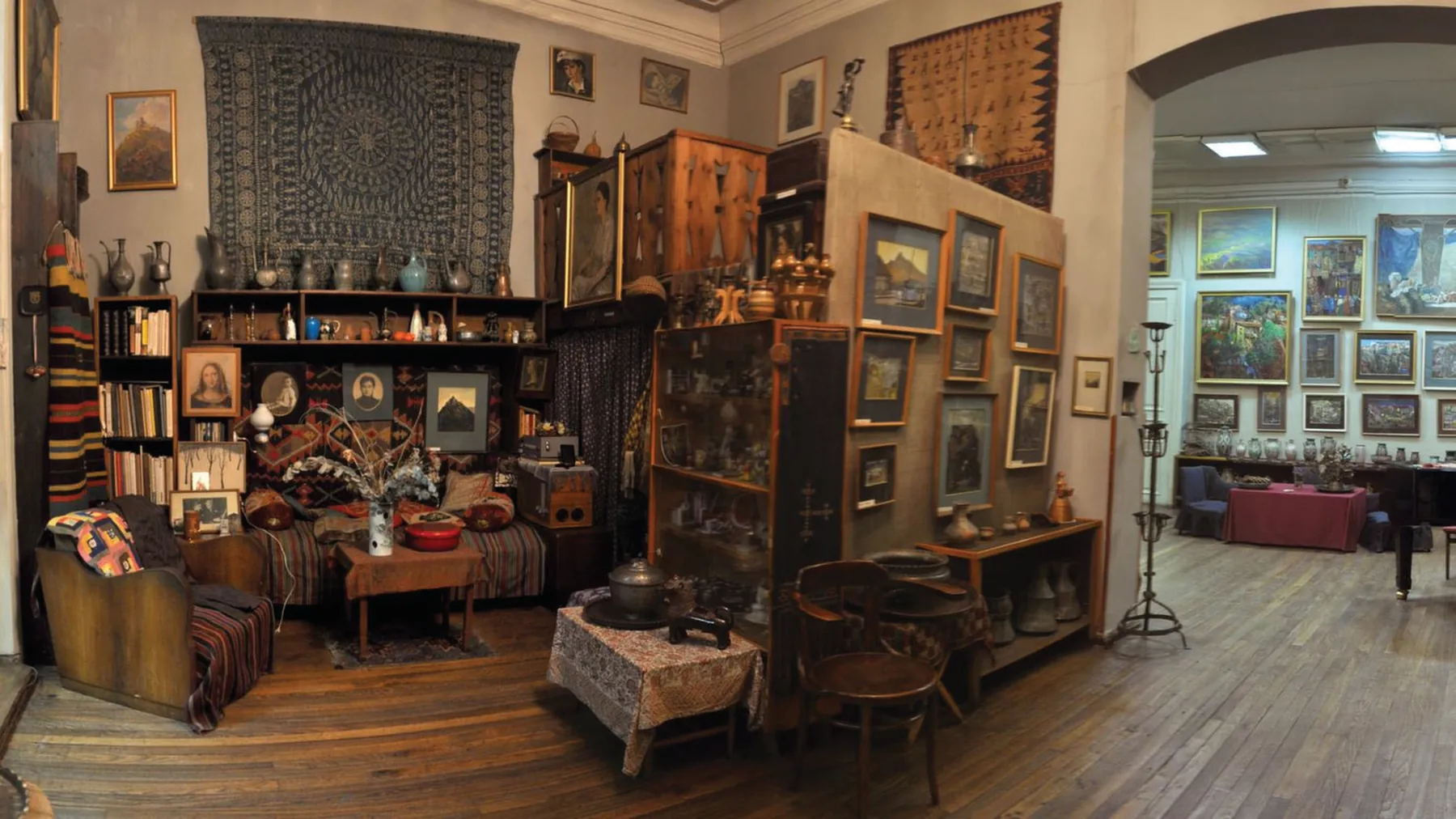
Elene Akhvlediani House Museum – What did the landscapes of old Tbilisi look like? How were the illustrations of Victor Hugo’s “The Man Who Laughs” and Mark Twain’s “The Adventures of Tom Sawyer” created? What did Georgian scenography look like through the eyes of Elene Akhvlediani? The answers to these questions await you at the house museum of Elene Akhvlediani, where her artistic world comes to life.
Elene Akhvlediani was one of the pioneers of modern Georgian art and a distinguished Georgian female painter recognized both locally and internationally. She often painted urban landscapes, especially scenes of old Tbili si, which she captured with deep affection and emotion.
The House Museum of Elene Akhvlediani was founded in 1976. Before the artist’s passing, it served as her apartment and creative studio. It regularly hosted concerts, gatherings of artists, and poetry evenings. The museum preserves more than 3,000 exhibits, including her book illustrations, graphic works, paintings, and decorative pieces. The museum is located on Leo Kiacheli Street.
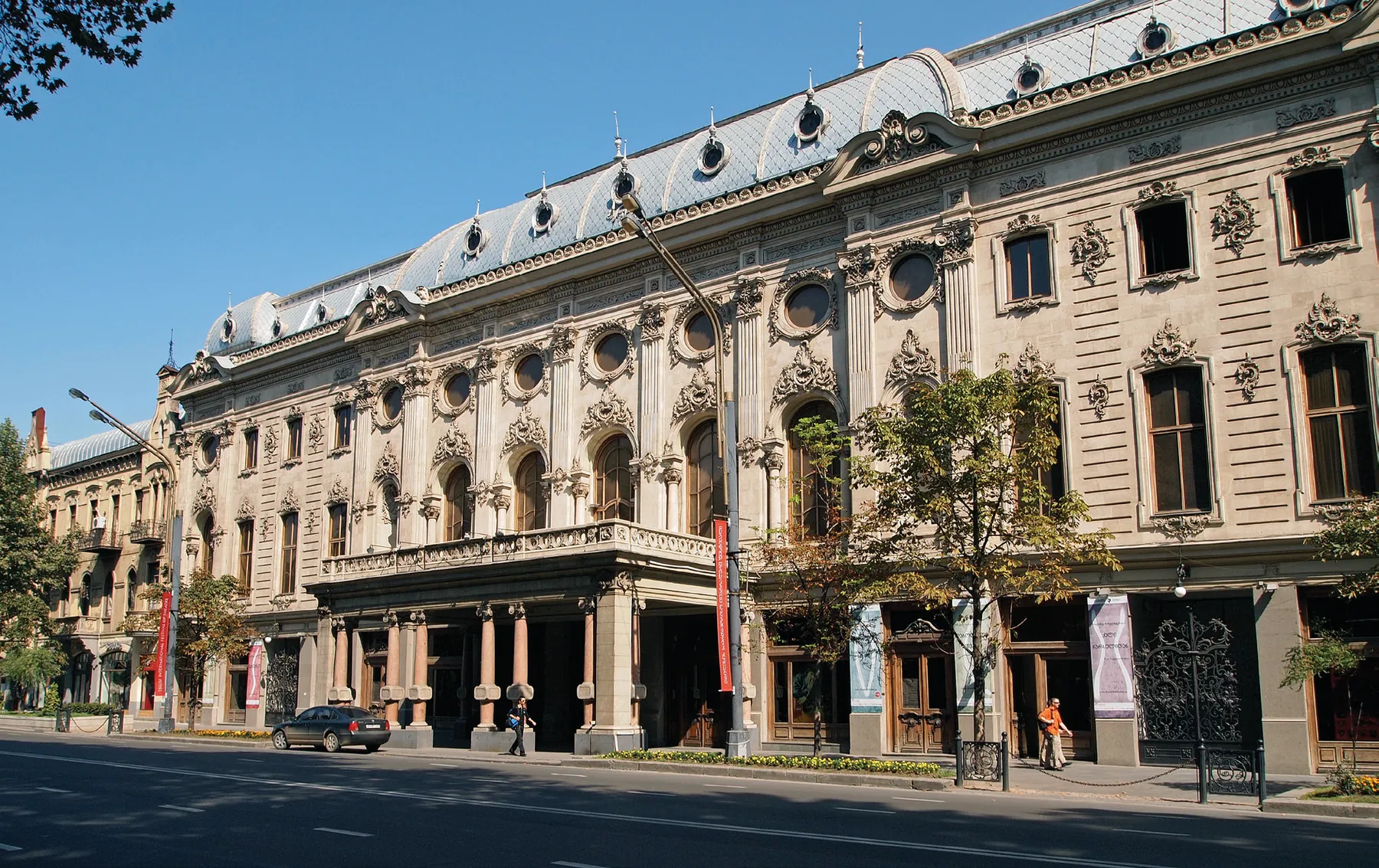
Shota Rustaveli National Theatre – Considered the heart of Georgian theatrical culture, the Rustaveli Theatre is one of Tbilisi’s main cultural venues, admired by both locals and tourists. With its magnificent architecture and diverse experimental repertoire, it is a place where clas sical and contemporary art merge harmoniously.
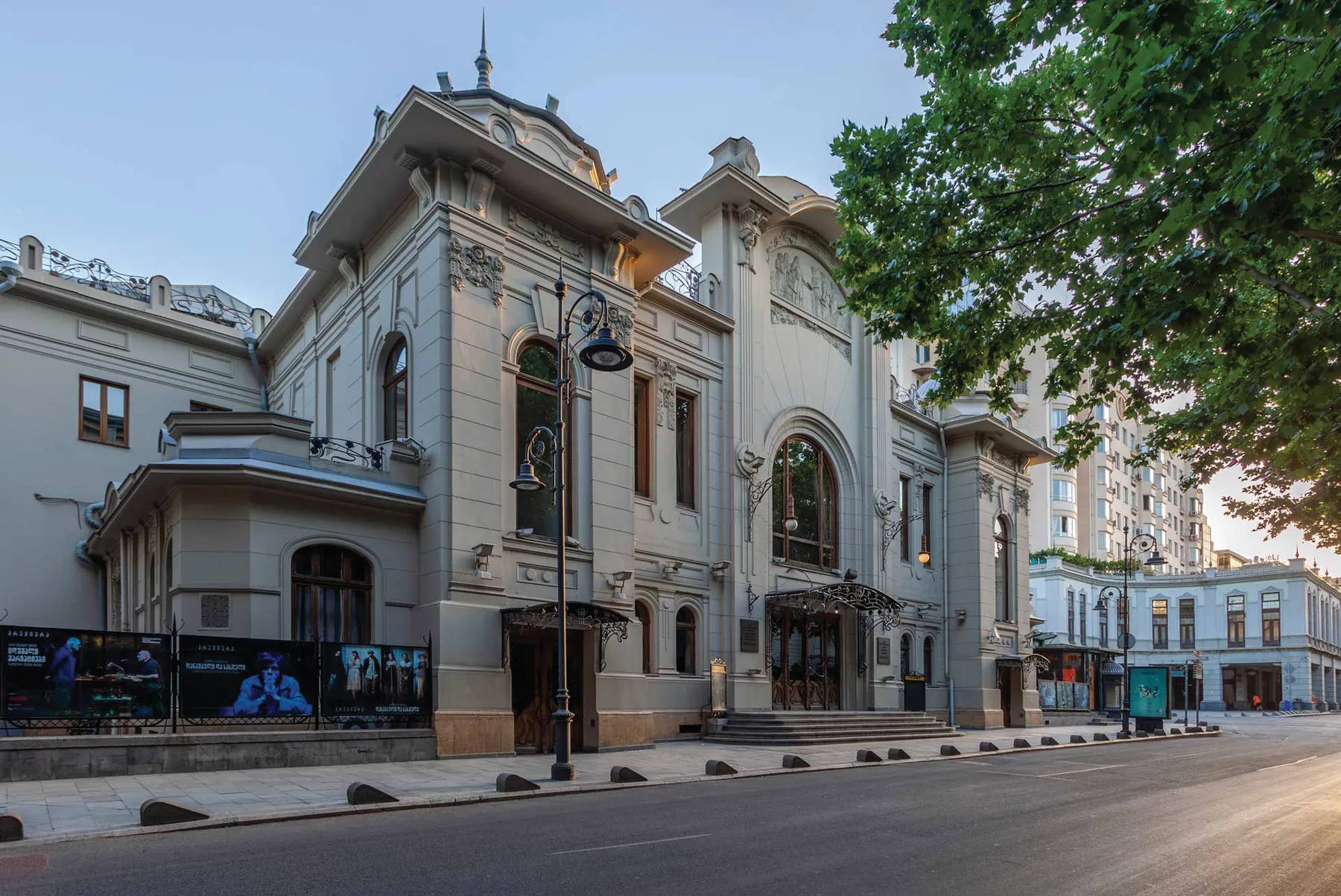
Marjanishvili Theatre – named after Kote Marjanishvili, this theatre is one of the most significant cultural hubs of Tbilisi, known for its renovated European-style build ing and talented actors. The theatre is famous for its productions of both modern plays and classical works presented with an innovative approach.
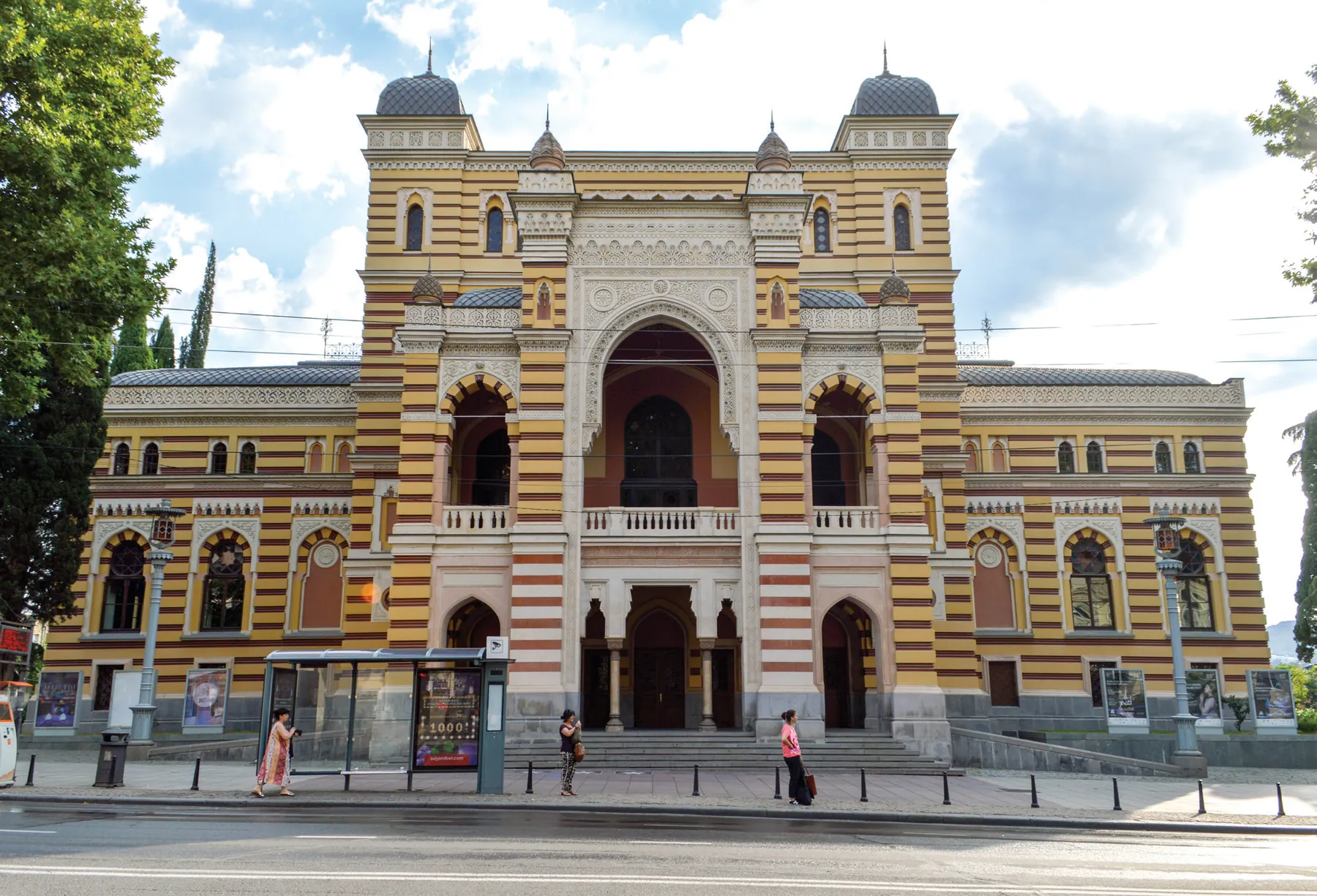
Tbilisi Opera and Ballet Theatre – not only an architec tural jewel but also the stage for outstanding opera and ballet performances. It is one of Georgia’s most impres sive cultural spaces, admired for its beauty and artistic excellence.
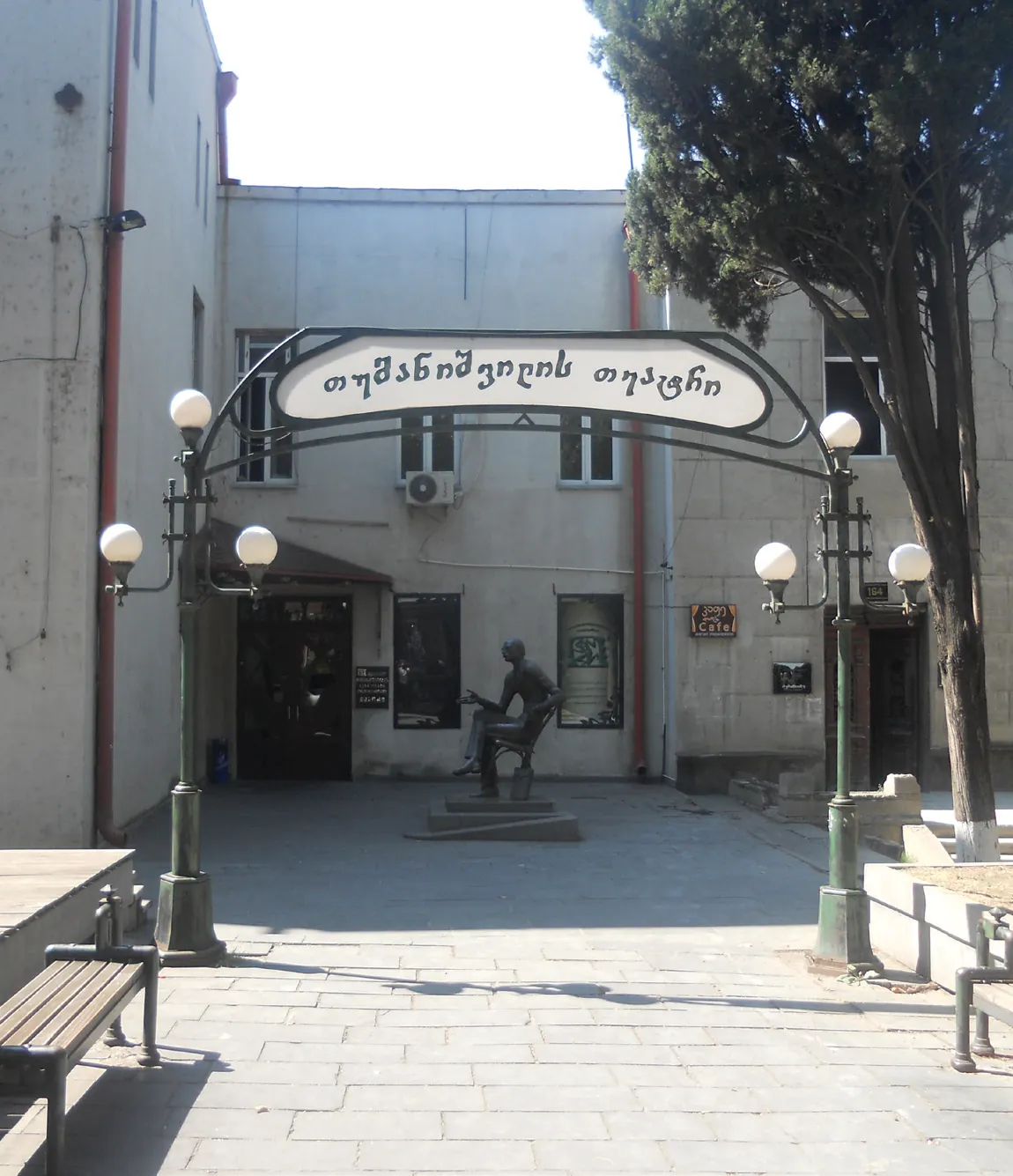
Tumanishvili Theatre – A small yet exceptionally intimate and expressive venue, the Tumanishvili Theatre is known for its experimental productions and the works of young directors. It is often described as a birthplace of new theatrical waves.