Flights in Different Weather Conditions

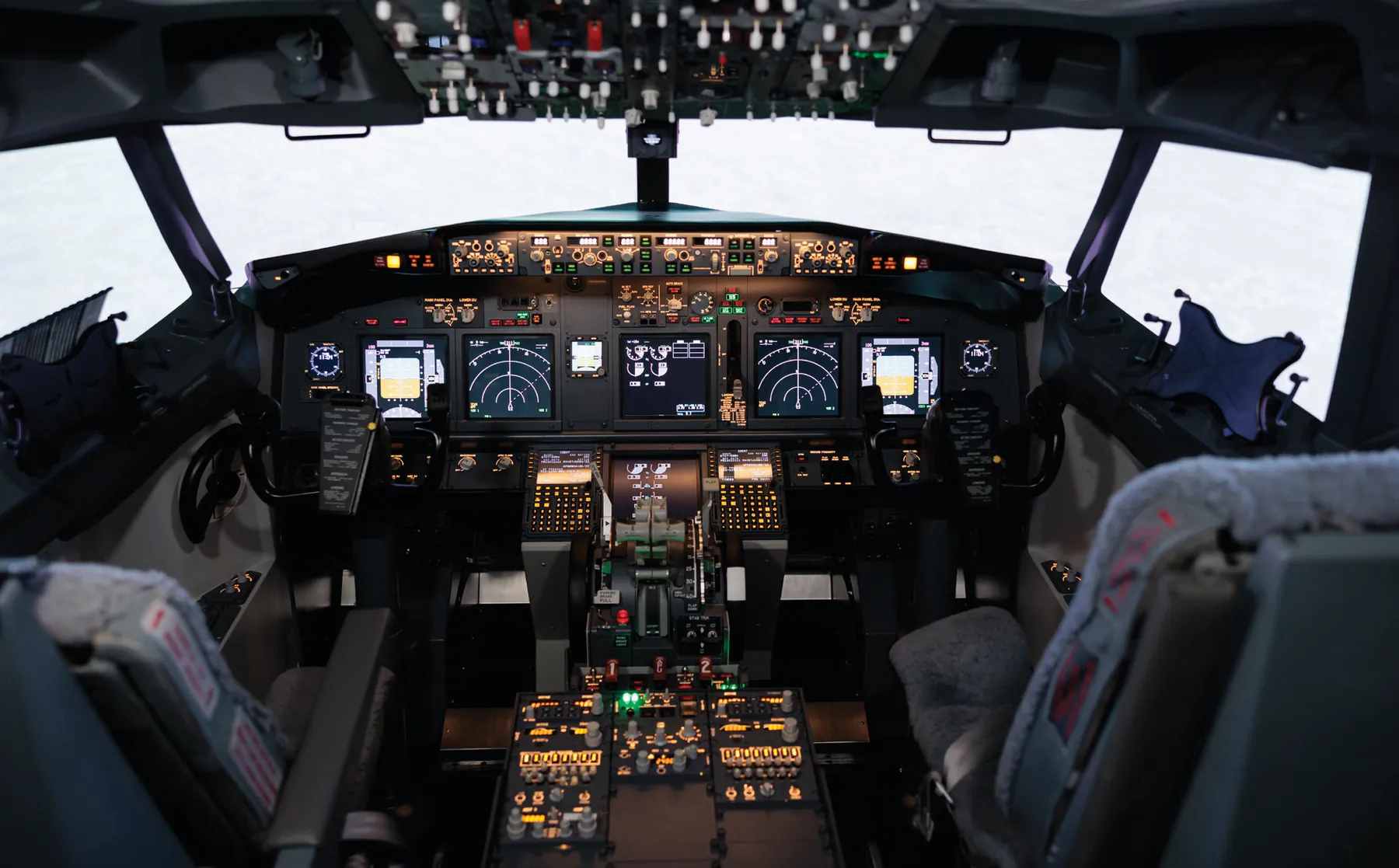
Rainy weather does not interfere with flights. In cases of reduced visibility, pilots use special navigation instruments, while a wet runway requires a longer braking distance.
Fog reduces visibility during takeoff and landing, so pilots rely on instrument landing systems and follow special procedures.
Strong and variable winds require extra attention during takeoff and landing. In such situations, airports change runways according to the wind direction.
Thunderstorms are among the most challenging weather conditions for flying and are often accompanied by turbulence. In such cases, pilots use radar to avoid thunderstorm zones and, if necessary, adjust the flight route or altitude.
Turbulence can occur in clear skies as well as in clouds or near mountainous areas. While turbulence may feel uncomfortable for passengers, it is not dangerous. At this time, pilots use radar to adjust the route, altitude, and speed to ensure your flight remains as safe as possible.