Apollo Cinema – an Architectural Masterpiece
The dimmed lights in the hall and the illuminated screen have the power to pause everyday life. Every sound becomes an invitation to travel into a new world, and every scene is a new story, where reality exists only as the background to the moment. A cinema is a place where emotions are given voices and stories begin to breathe.
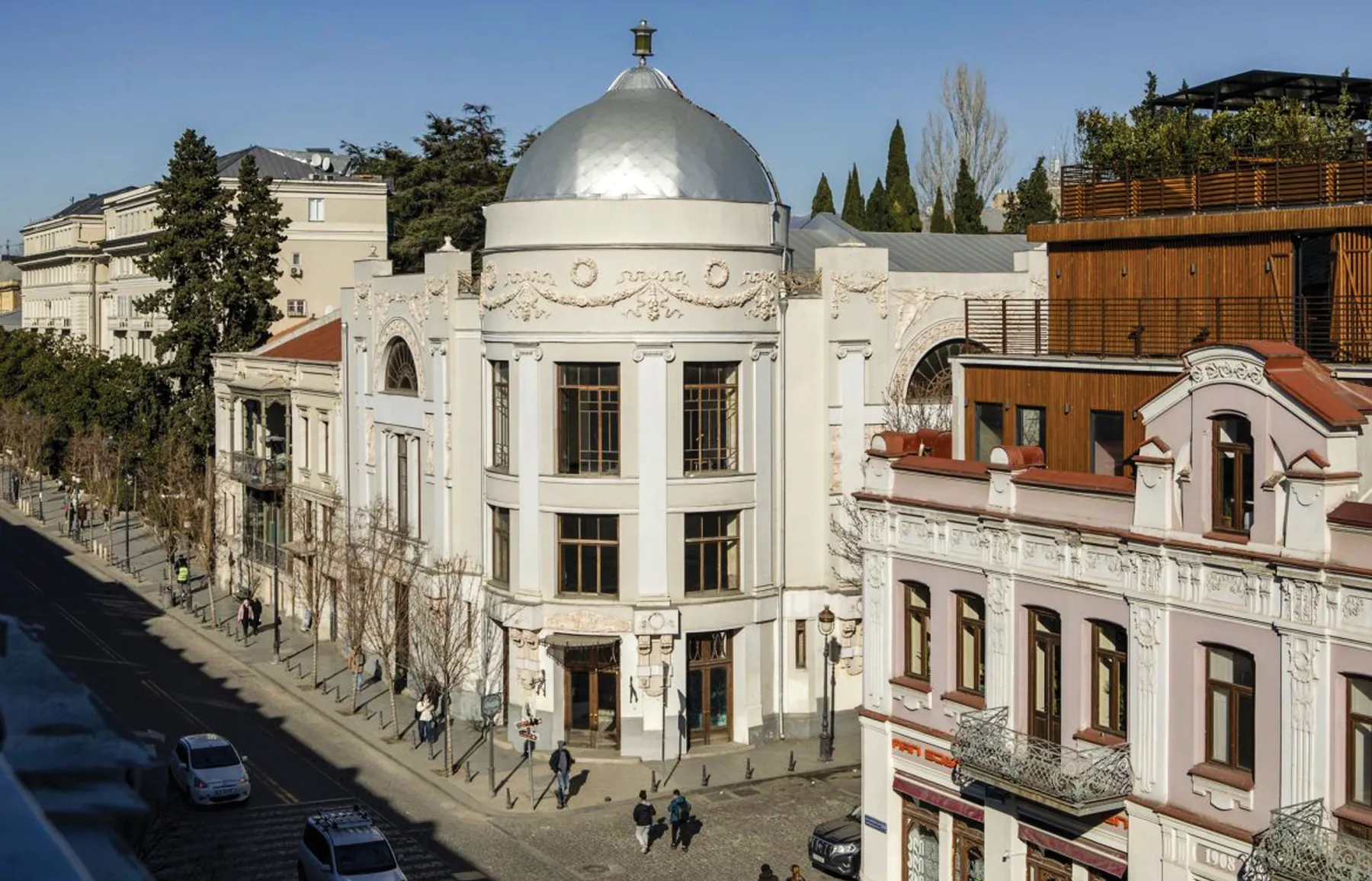
Located at 135 Davit Agmashenebeli Avenue, Apollo Cinema is one of the earliest purpose-built cinema buildings in Tbilisi. Opened in 1909, it stands as one of the most remarkable examples of the Art Nouveau style in the city. Originally, the cinema was constructed for private use. The identity of its architect remains uncertain, though one version suggests it may have been designed by architect Kolchin, while Novak and Karl Souček were responsible for the building’s decoration.
Apollo was the first electronic cinema in Tbilisi. Worldwide, only a few Art Nouveau–style cinemas of this type survive. In Europe of that era—particularly within the Russian Empire—Apollo was considered one of the largest cinemas, and its interior displayed numerous characteristic features of the Art Nouveau aesthetic.
Architecturally, Apollo Cinema is one of the most significant and distinctive buildings in Tbilisi. The three-storey structure faces the junction of Agmashenebeli Avenue and Ia Kargareteli Street with a domed, cylindrical volume. The façades are divided by large rectangular and arched windows, as well as monumental Ionic pilasters. The main decorative elements characteristic of the Art Nouveau style include compositions made of sculpted garlands and wreaths, as well as symbolic figurative reliefs. The building is crowned with an irregular, cornice-free outline accented by sculpted kraters.
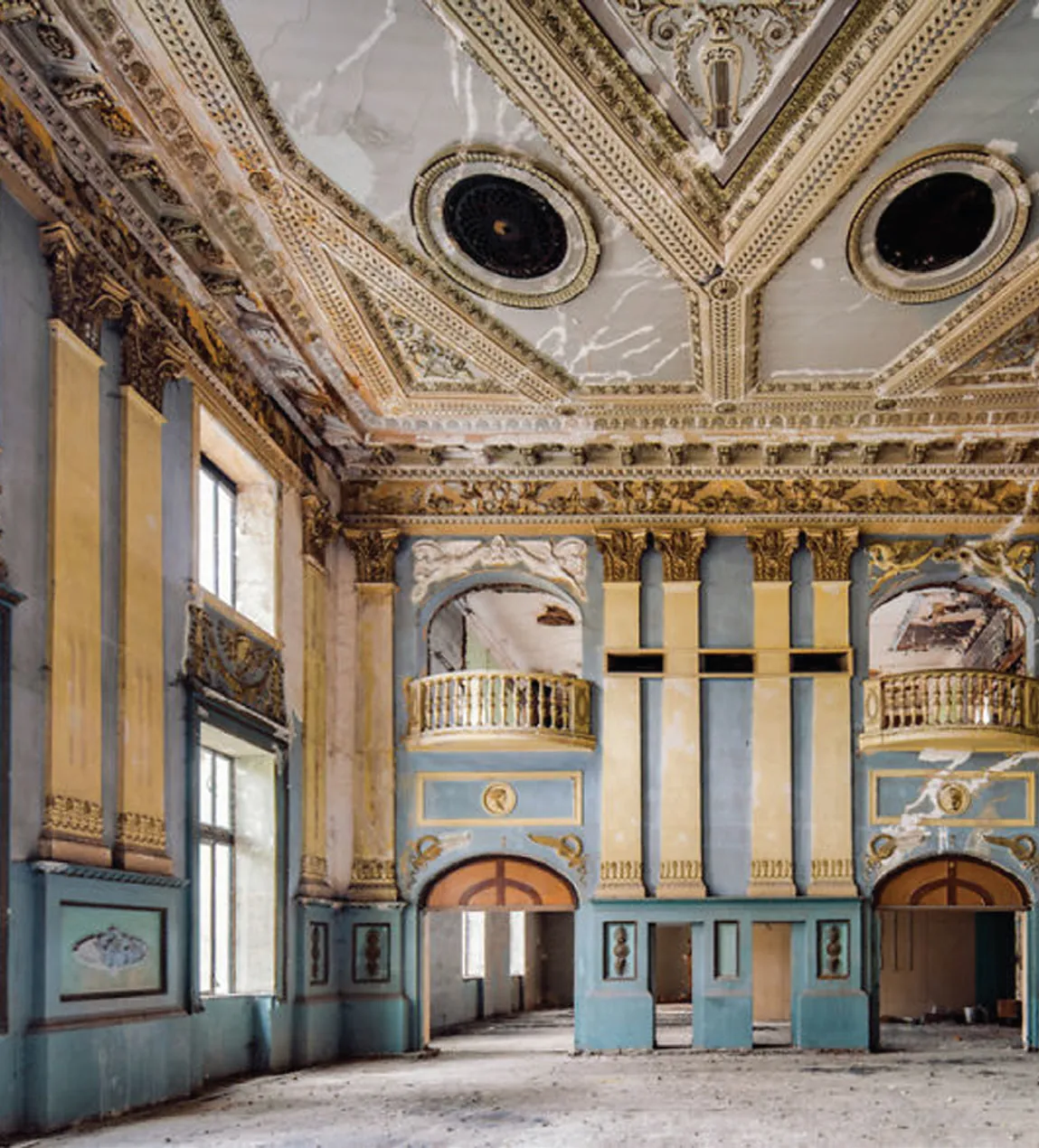
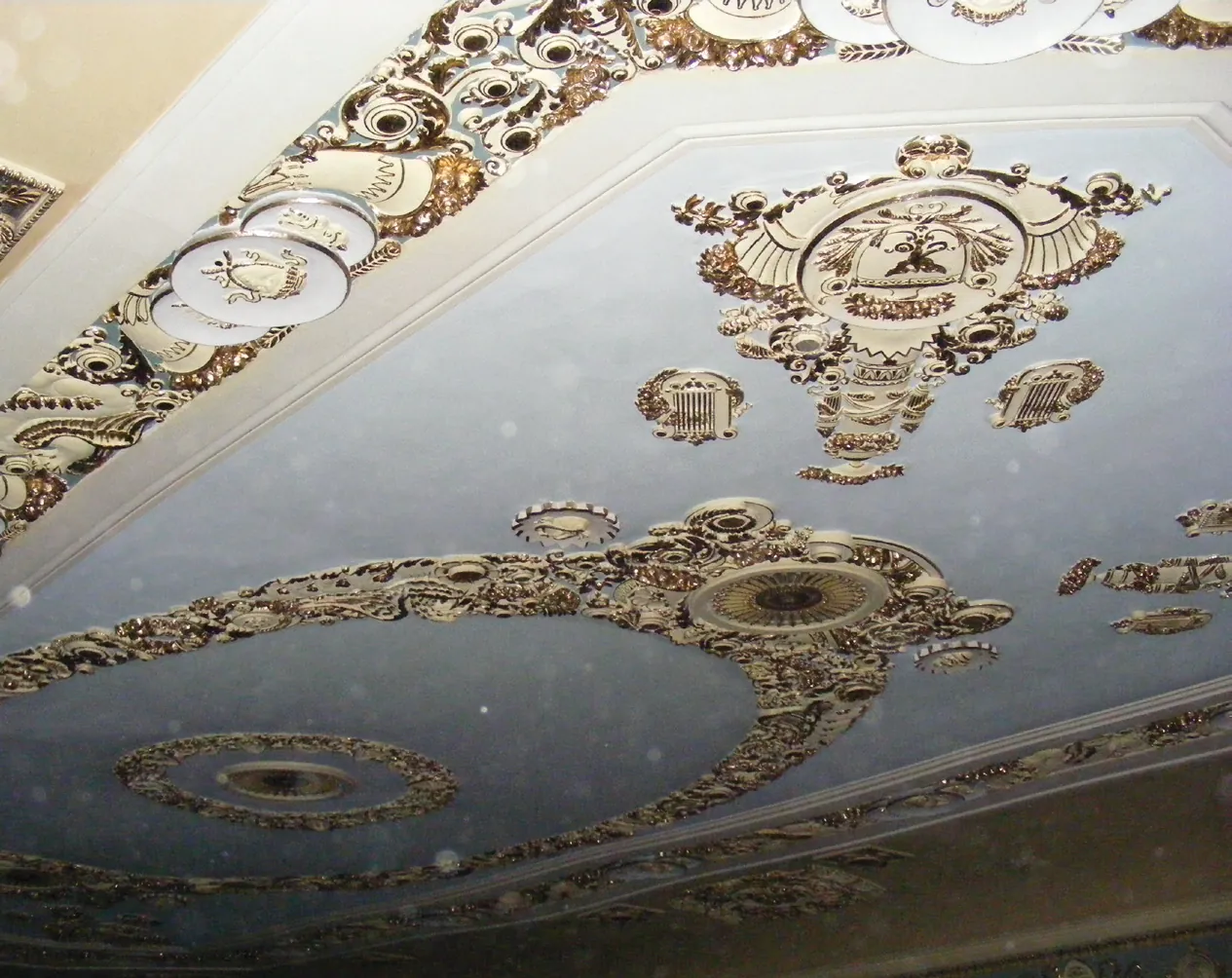
The interior is equally captivating. From the lobby to the spaces surrounding the hall, the building showcases numerous decorative features, including bas-reliefs, column capitals, carved stone bases, fragments of wall paintings, mosaic flooring, and metalwork. This luxurious Art Nouveau interior is an ideal blend of artistic quality and creative expression.
Apollo was the largest cinema in pre-Soviet Tbilisi. During the Soviet era, it was renamed “October.” In 1987, the cinema underwent reconstruction and was reopened. Although the interior layout was altered during renovation, the building’s original artistic and architectural elements were preserved and remain intact to this day. Currently, the cinema is no longer in operation.
Apollo Cinema remains a key landmark in the city’s cinematic memory, a distinctive architectural structure that serves as a perfect chronicle of changing times and a vivid reminder of Tbilisi’s rich cultural history.