Through the Lens in Svaneti
Martin Hawes
What first brought you to Georgia and, more specifically, to the remote region of Svaneti? Was it a planned Journey or did you discover it along the way?
I’ve always had a love of wild places, and I’ve spent much of my life exploring them. My connection with the Caucasus Mountains goes back to the late 1990s, when I had the opportunity to visit the region for several weeks. Although my time there was brief, it left a deep impression on me. When I returned to the Northern Hemisphere in 2023, I headed to Svaneti because I’d heard it was one of the wildest and most beautiful parts of the Caucasus. I’d also heard that it was renowned for the friendliness and hospitality of its people.
Your photos of Svaneti are incredibly atmospheric. They seem to capture both the grandeur of the mountains and the quiet strength of daily life. What inspires you the most about this place as a photographer?
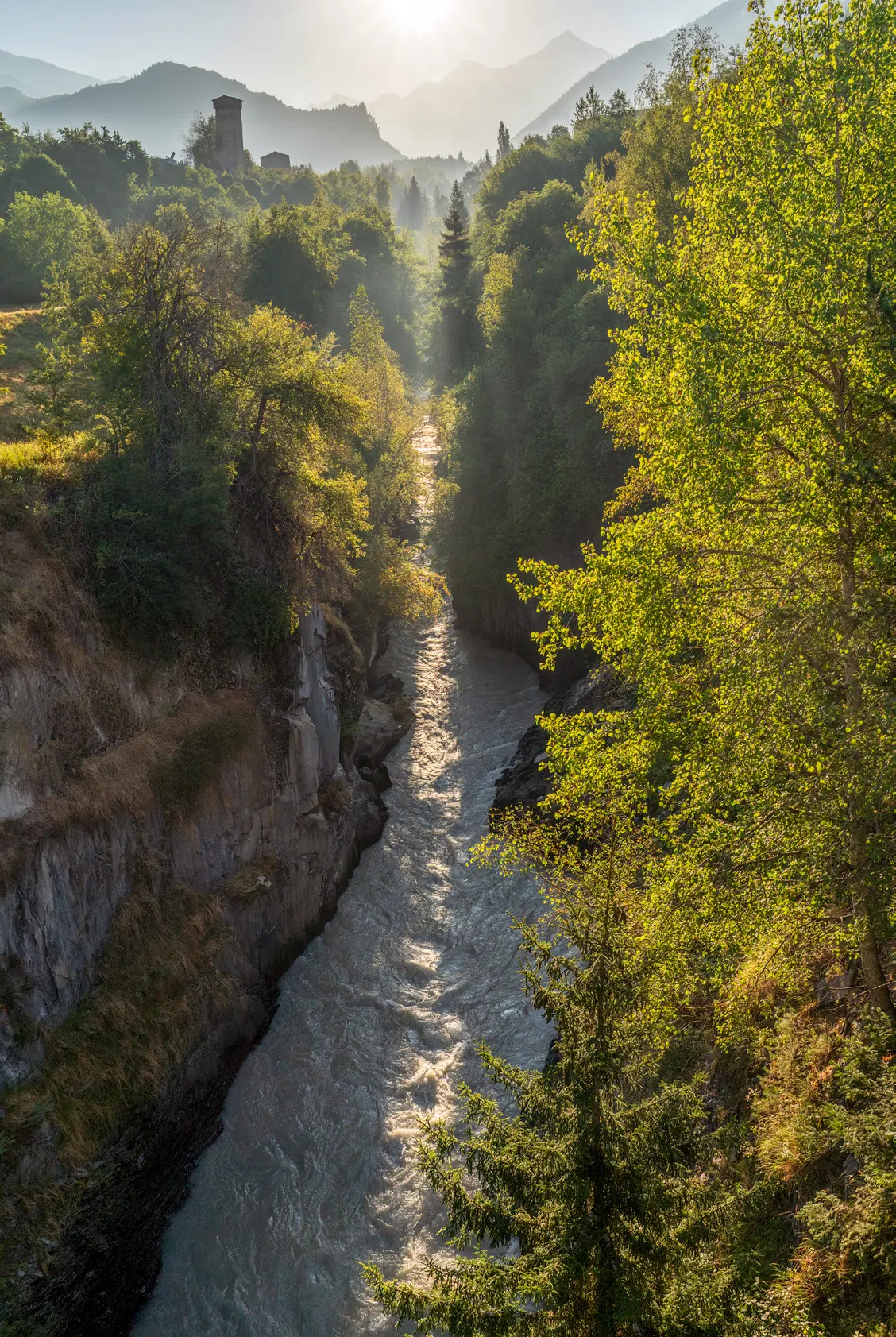
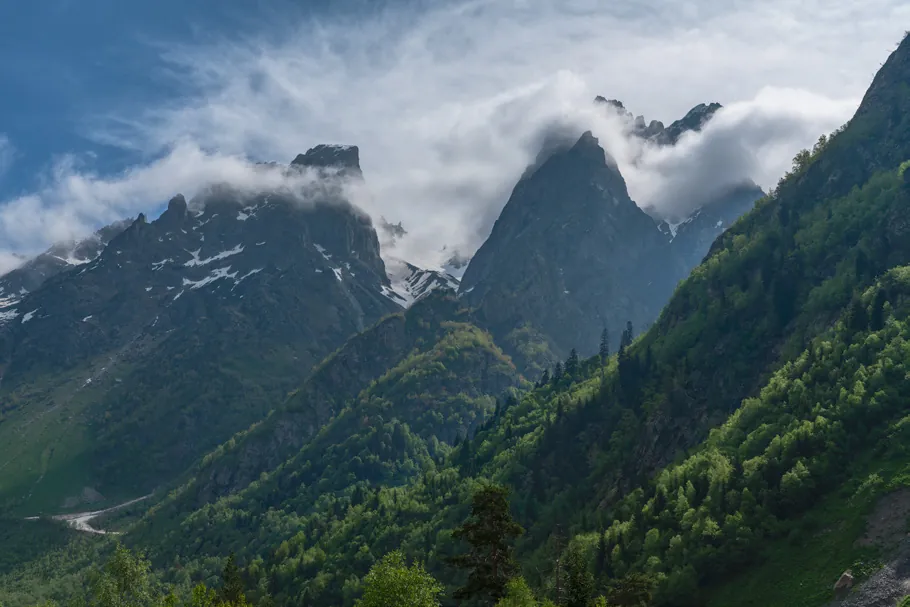
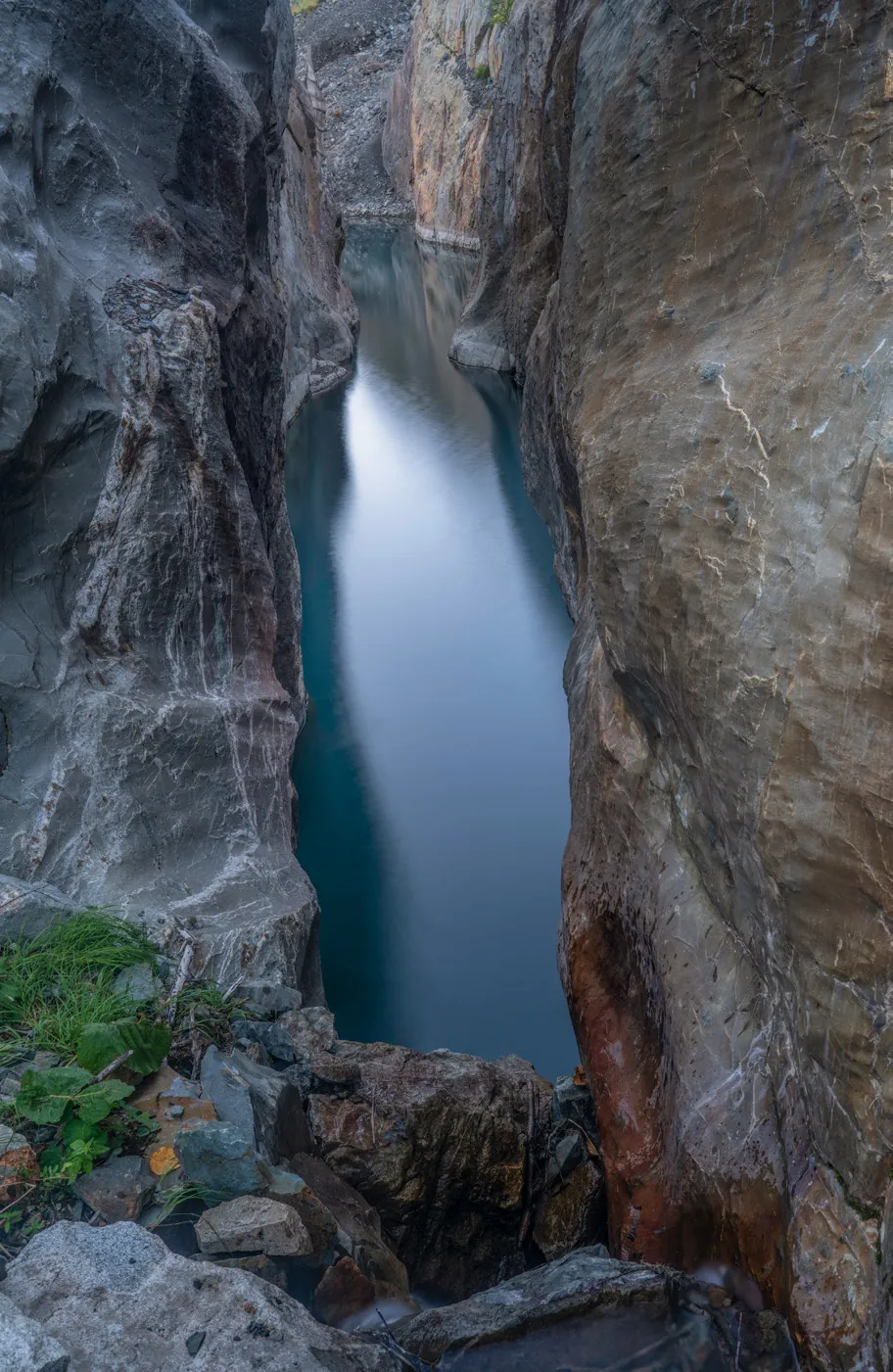
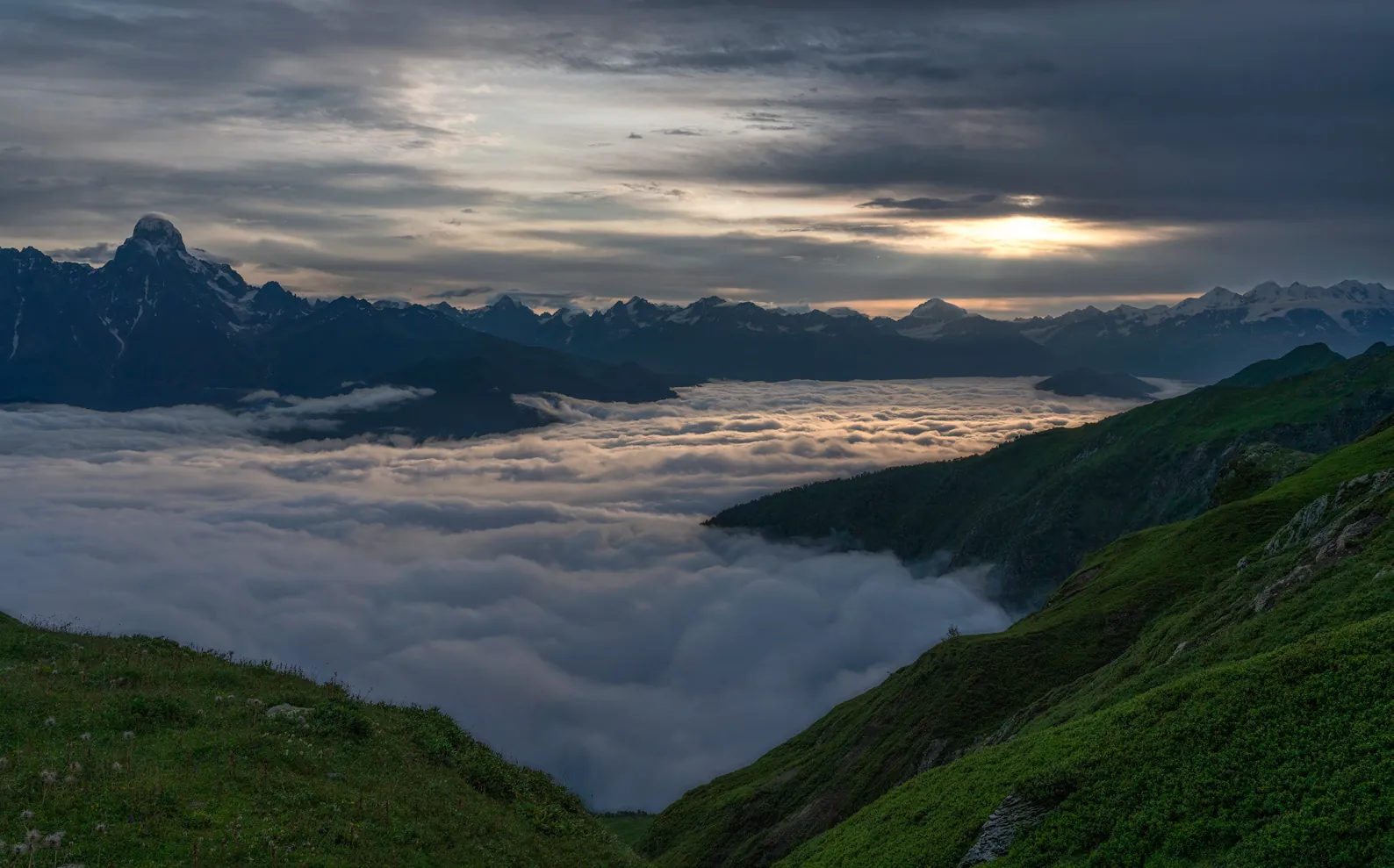
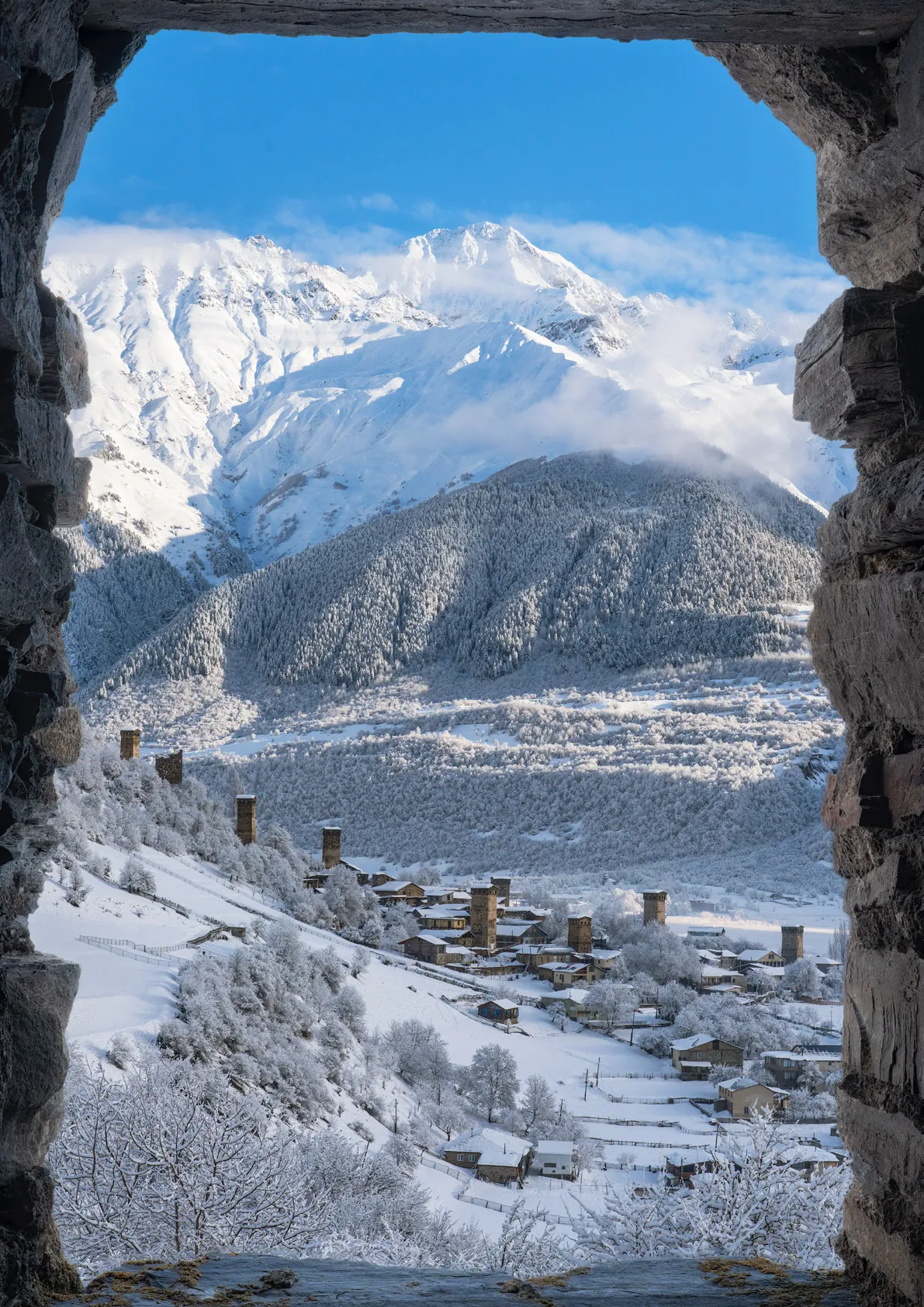
The two things that most inspire me about Svaneti are the grandeur of its mountains, valleys, rivers, and gorges, and the undeveloped condition of much of the landscape. In this respect, Svaneti stands in contrast to the rest of Europe, where most mountain areas have been intensively developed with roads, ski resorts, and tourism infrastructure. The landscapes of Svaneti have certainly been inhabited for thousands of years. Still, the impact of human activity has been relatively light, and much of the landscape remains in a predominantly natural state. To me, this ‘untouched’ quality contributes enormously to the power and beauty of a place.
Coming from Australia, where the landscape is so vastly different, how has living in Mestia shaped or changed your creative process? Have you noticed a shift in the way you see and frame the world?
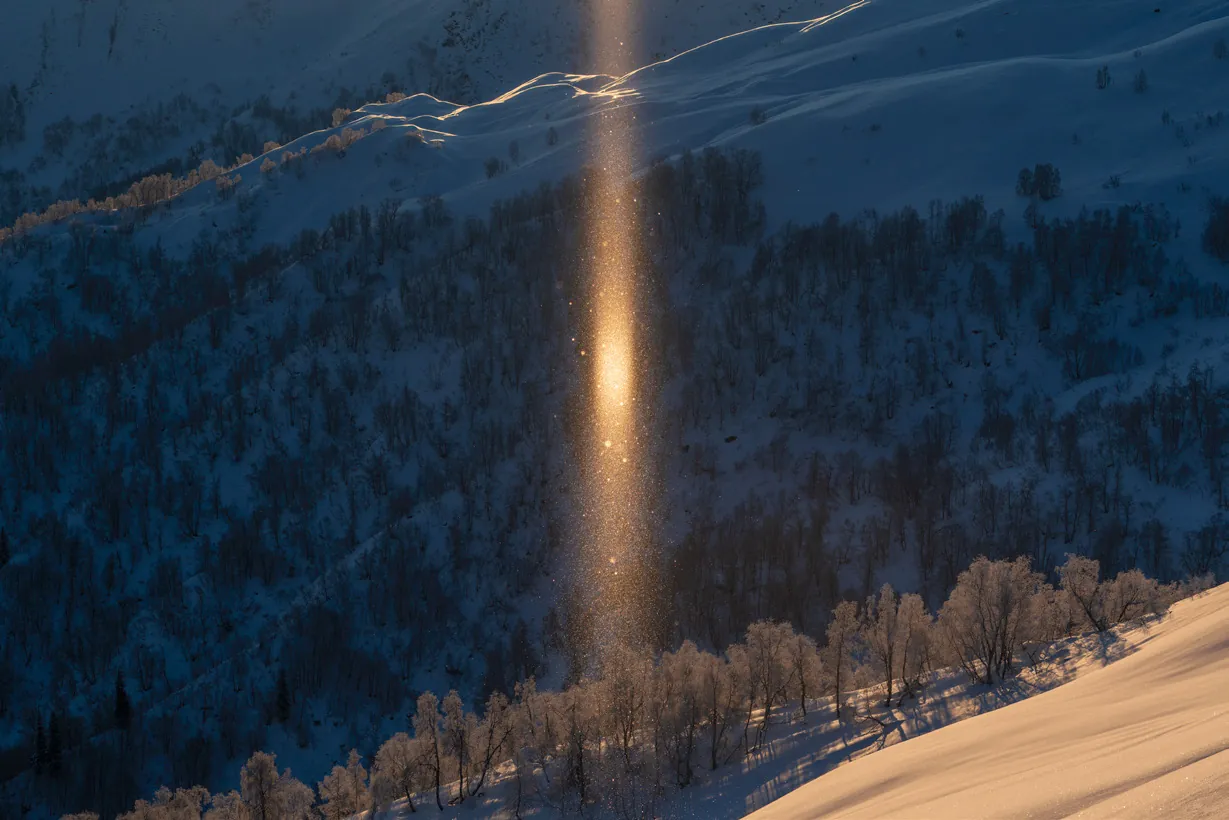
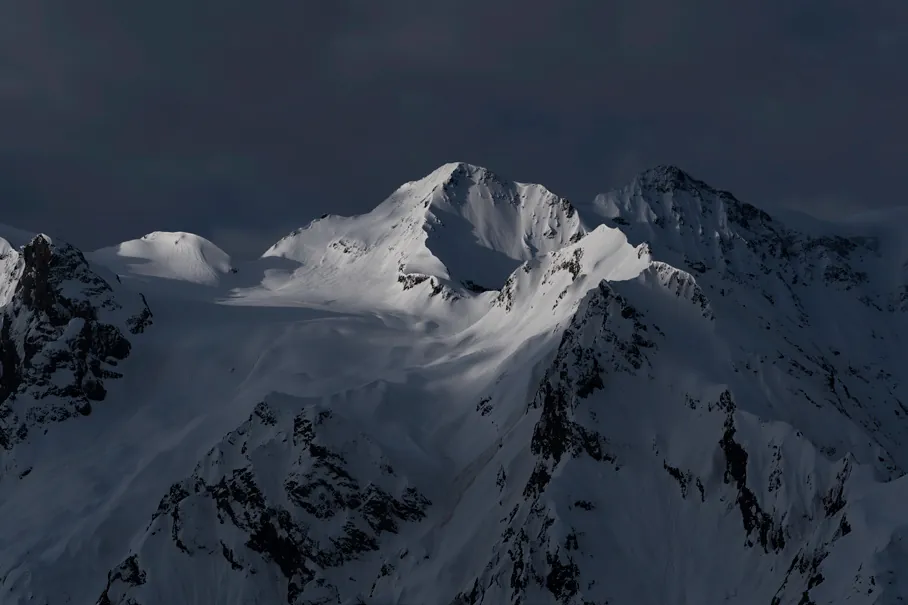
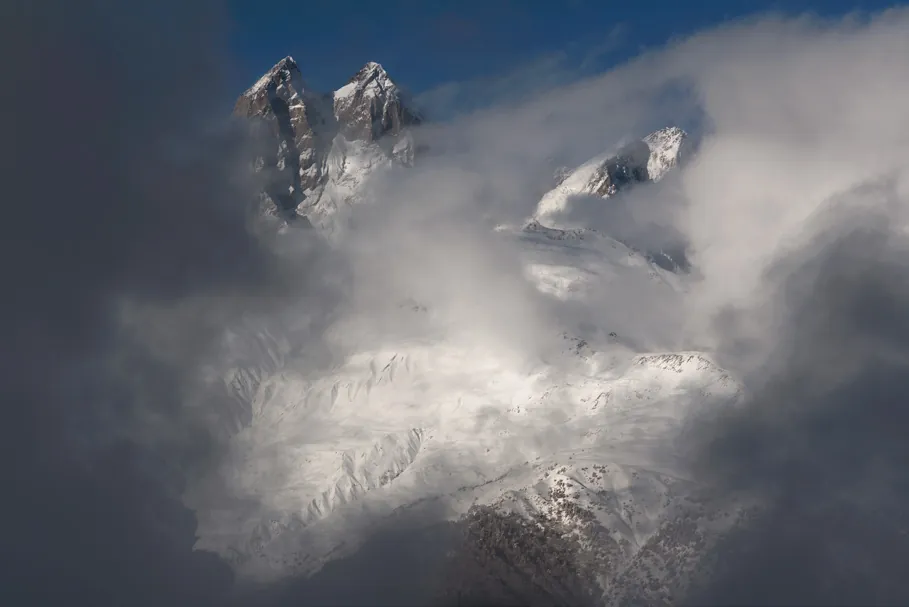
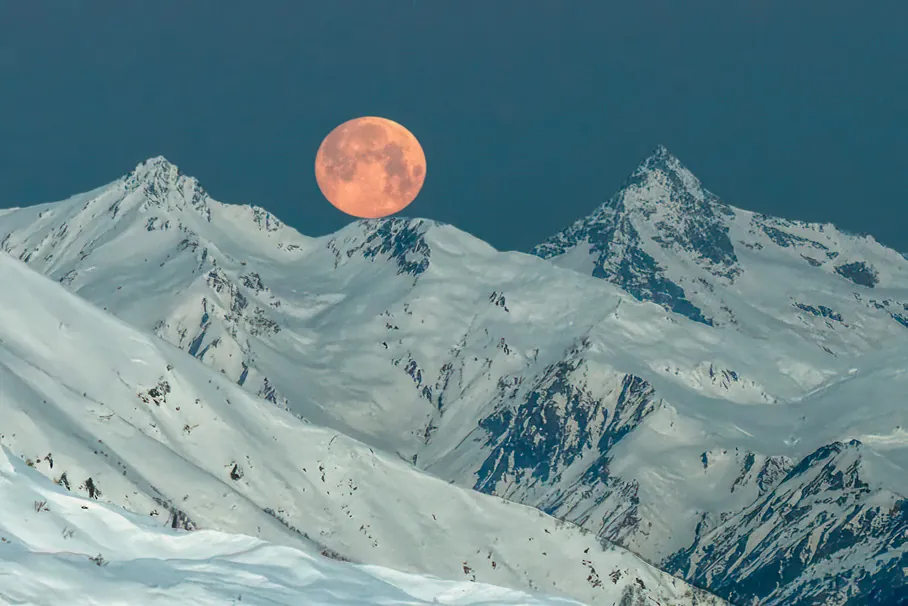
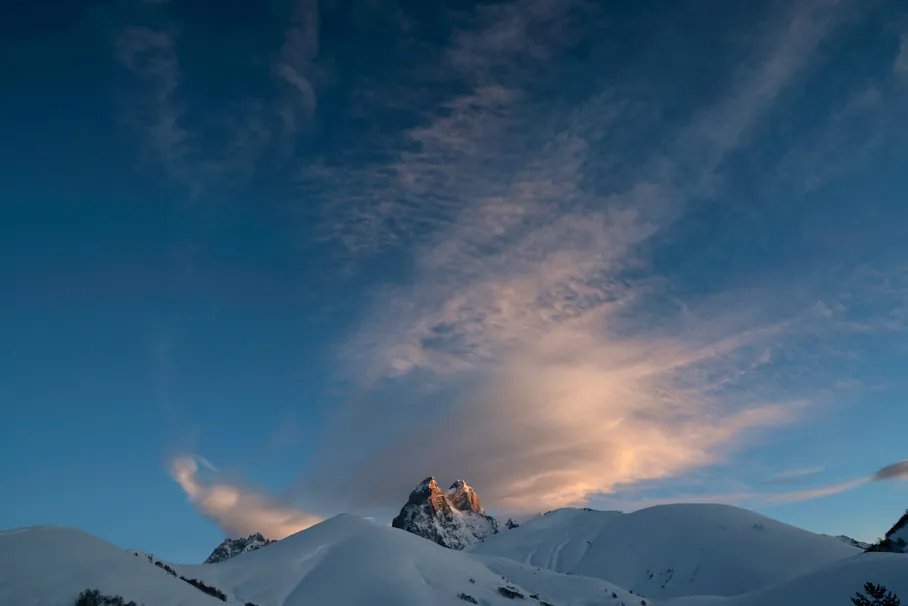
When I set out to take photos, I sometimes have a particular image in mind – for example, a view of a peak at sunset. At the same time, I try to remain open to whatever is happening around me. Many of my best photos are of subjects and events that I didn’t expect – for example, a shaft of sunlight breaking through a sudden gap in the clouds. I try to approach the natural world with humility, recognizing that it’s always the primary artist. And when I process my photos, I try to enhance key elements such as the textures of clouds without making my images look unnatural. In these respects, my creative process hasn’t changed.
One thing that has changed since I moved to Svaneti is that when I take photos, I have to work harder to convey the immensity of the mountains and the vastness of the landscape. Even without a camera, it’s hard to grasp that one’s view can encompass a country that would take a lifetime to explore.
Was there a specific moment – maybe a scene, a light, or a person – that made you feel a deep connection to Svaneti, as if you were meant to stay?
There have been many such moments, convincing me that wherever I roam in the world, I will always want to return to Svaneti and will always feel at home here. For example, when I returned to Mestia last year after two months out of the country, I was walking down the main street when the lady who sold “marshrutka” tickets, who didn’t even know my name, invited me over and handed me a large bag full of mandarins. Again and again, such moments have made me feel welcome here, as amongst family and friends.
I’ve also been amazed and humbled by the many opportunities I’ve had to explore and photograph the landscapes here. I feel like the mountains themselves are welcoming me and inviting me to stay.
You have spent time not just photographing, but living among the people here. How have the Svanetian culture, traditions, or relationships influenced the stories you try to tell through your photos?
The main stories that I try to tell through my photos are that the natural world is alive and beautiful beyond our wildest imagination, and that our well-being depends on our capacity to reconnect with it. These stories are deeply relevant to Svanetian culture, which has a long tradition of respecting and safeguarding the land. The economy and culture of Svaneti are changing rapidly, as tourism and the recreation industry replace traditional practices such as alpine grazing. This change has potential benefits, but it also risks destroying the unspoiled character that sets Svaneti apart from so many other parts of the world. Svaneti’s landscapes are majestic, but they are also fragile. I’ve spoken to many locals who are concerned that the character of their towns and villages is changing, and that places that their families have loved for generations could be logged, dammed, or bulldozed for development. I share their concerns. One of the main reasons I take photos is to remind people of the beauty of our planet and of the urgent need to protect it. I am happy that my photos are exhibited in the Svaneti Museum and people from around the world, who come to Mestia, see them.