The City of Canals, Art, and Freedom
Imagine a city where the gentle ripple of canals replaces the noise of cars, people move around on bicycles, and where modern life flows peacefully against the backdrop of centuries-old buildings. This is Amsterdam, a remarkable city in the Netherlands, where history, art, and free thought merge into one harmonious space.
Long ago, at the end of the 12th century, the area that is now Amsterdam was just a small fishing village on the Amstel River. To protect their homes from flooding, locals built a dam across the river. The city’s name, Amsterdam, originates from this very dam on the Amstel.
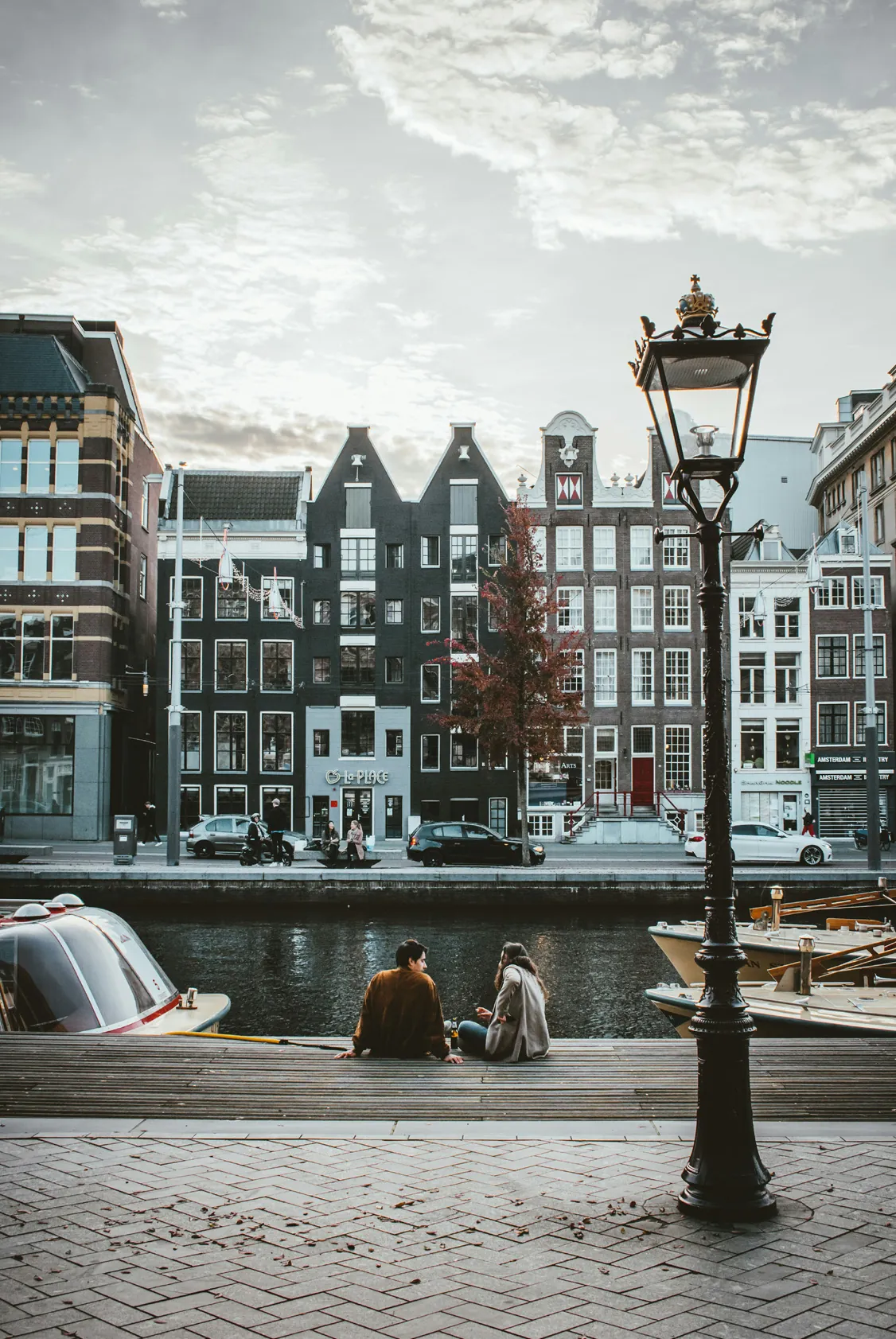
Amsterdam grew in importance in the 17th century, during the Dutch Golden Age, when it became a global center of trade, science, and the arts. It was during this period that the city’s famous canals were constructed, and they remain one of its most iconic symbols. Often compared to Venice, the city is referred to as the “Venice of the North.” Today, its canal network, with its distinctive urban layout, is recognized as a UNESCO World Heritage Site.
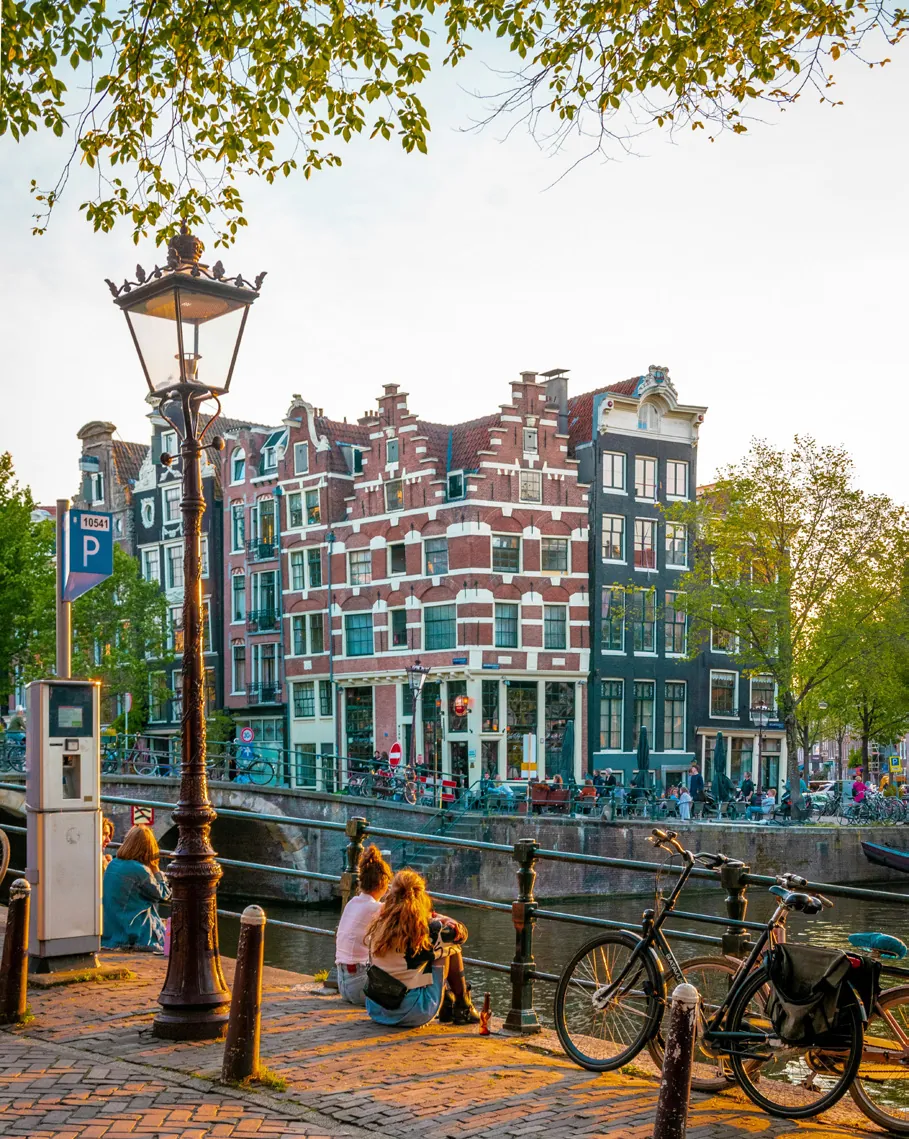
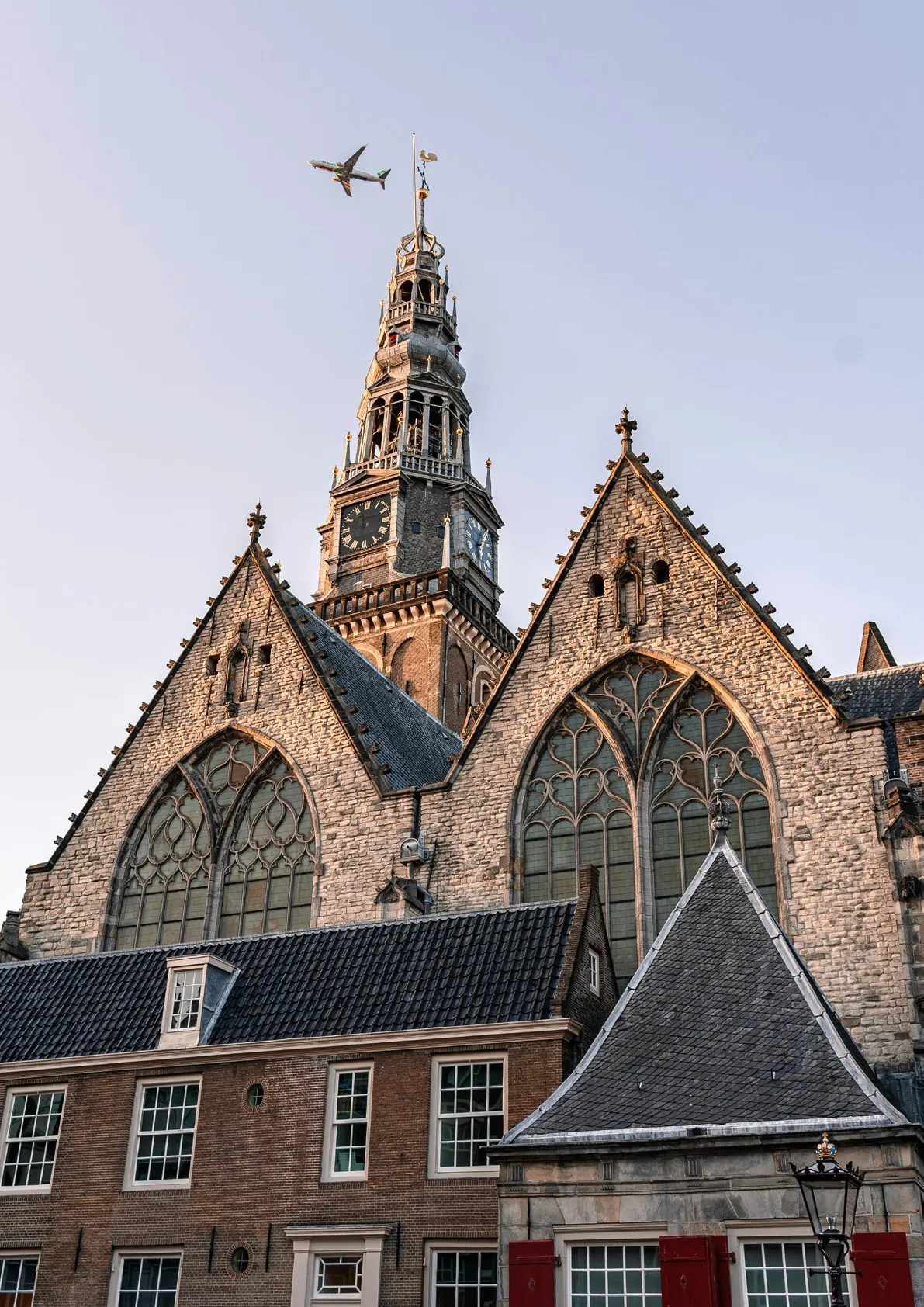
Architecturally, Amsterdam is famous for its narrow, tall houses that line the canals. Built mostly in the 17th and 18th centuries, these elegant townhouses are integral to the city’s identity. The historic center, with its old buildings, churches, museums, and lively squares, is especially remarkable.
Amsterdam is also renowned as a progressive and liberal city, long celebrated for its spirit of tolerance and cultural diversity. It was among the first in the world to legalize policies on soft drug use, same-sex rights, and euthanasia.
Cycling is another defining feature of Amsterdam’s way of life. With more than a million bicycles registered, two wheels are the city’s primary mode of transport. Amsterdam is designed for cyclists, with well-organized infrastructure and bike lanes on every street. For locals, it is both an ecological choice and a cultural habit.
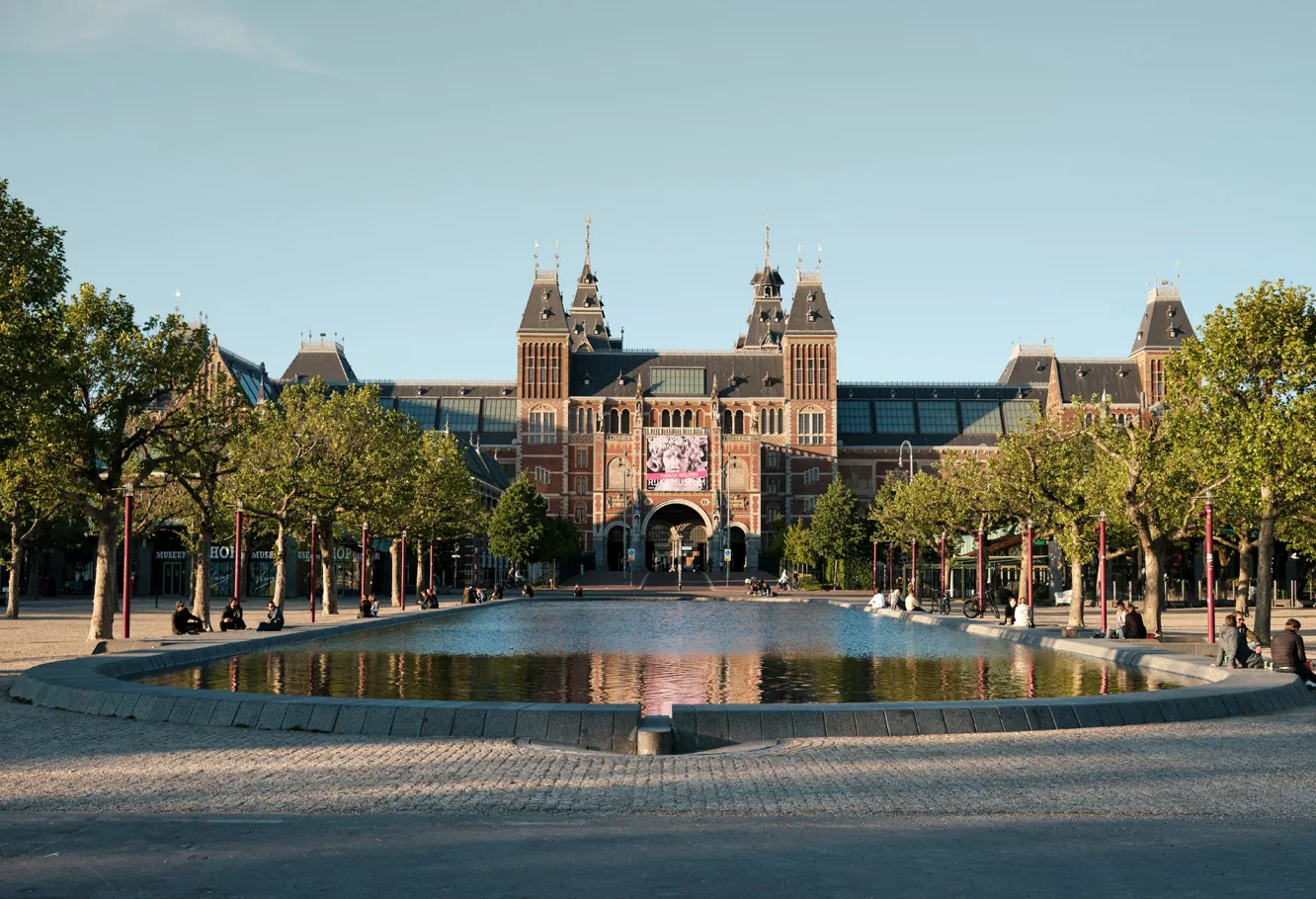
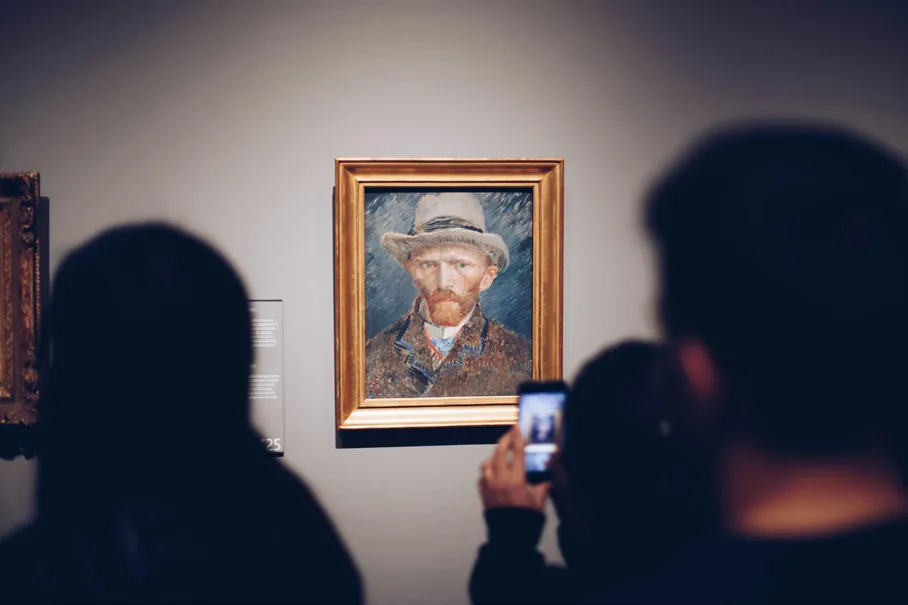
Culturally, Amsterdam is incredibly rich. It is home to a number of world-class museums, such as the Rijksmuseum, the Van Gogh Museum, and the Anne Frank House. The Rijksmuseum houses thousands of works, from medieval religious art to masterpieces of the Dutch Golden Age and modern artifacts. The Anne Frank House offers a glimpse into the tragic realities of World War II and remains one of the city’s most visited landmarks.
Tourists are drawn to Amsterdam for many reasons. Above all, it offers a unique atmosphere where historic architecture blends with modern urban culture. It is a city that makes you feel at home while constantly surprising you with discoveries.
A boat ride along the canals, especially on a spring or summer evening, is an incomparable experience.
Another key attraction is the city’s famously open, tolerant, and welcoming spirit. Amsterdam has always welcomed foreign visitors, a tradition established over the centuries. Today, it remains a safe and friendly place, where tourists feel at ease exploring its streets, enjoying its nightlife, and interacting with locals.
Nightlife, indeed, plays a special role in Amsterdam’s allure. The city has a large number of bars, clubs, and live music venues, attracting both residents and international visitors. It is also considered one of Europe’s leading hubs for electronic music. The Red Light District continues to be one of the city’s most visited areas.
For nature lovers, Amsterdam offers peaceful escapes in its many parks, with Vondelpark being the most famous - a green oasis in the heart of the city.
To visitors, Amsterdam represents a rare blend of cul- ture, freedom, beauty, and modern urban style. Per- haps it is this sense of calm, openness, and authen- ticity that makes Amsterdam a city you can never visit just once.