Homeopathy and Medicinal Plants
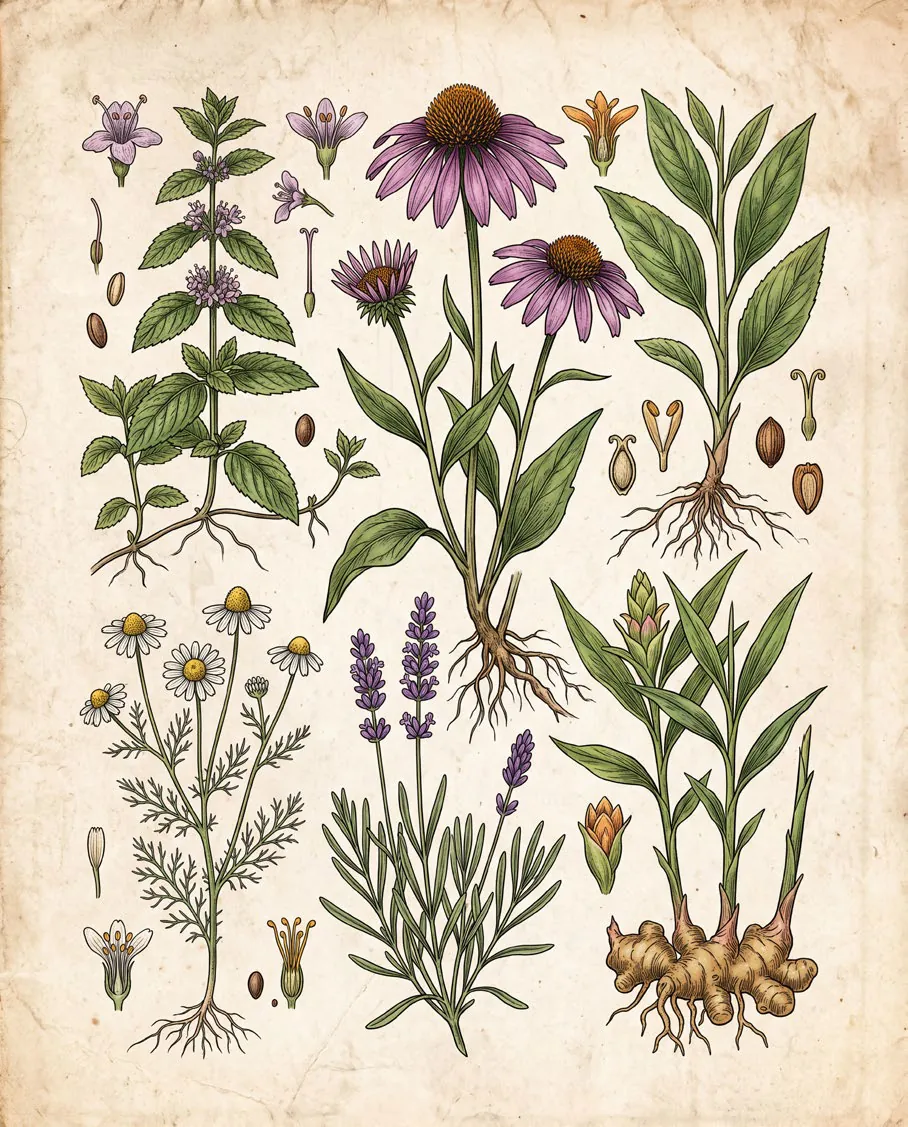
Since ancient times, people have looked to nature for ways to relieve illness and various health problems. Before the development of modern medicine and the pharmaceutical industry, medicinal plants were among the principal means people used to protect their health.
Homeopathy was developed in the late eighteenth century, around the 1790s, by the German physician and chemist Samuel Hahnemann. He sought remedies that, in his view, could help relieve the symptoms of illness. His central idea developed into the principle commonly known as “like cures like.”
Homeopathy uses remedies derived from plants, minerals, and animals in very small doses. In essence, homeopathy is a bioregulatory therapy.
The first principle – “like cures like” – is based on the idea that a substance capable of producing certain symptoms in a healthy person can, when highly diluted, be used to treat similar symptoms. This approach differs from the principles of treatment used in modern medicine.
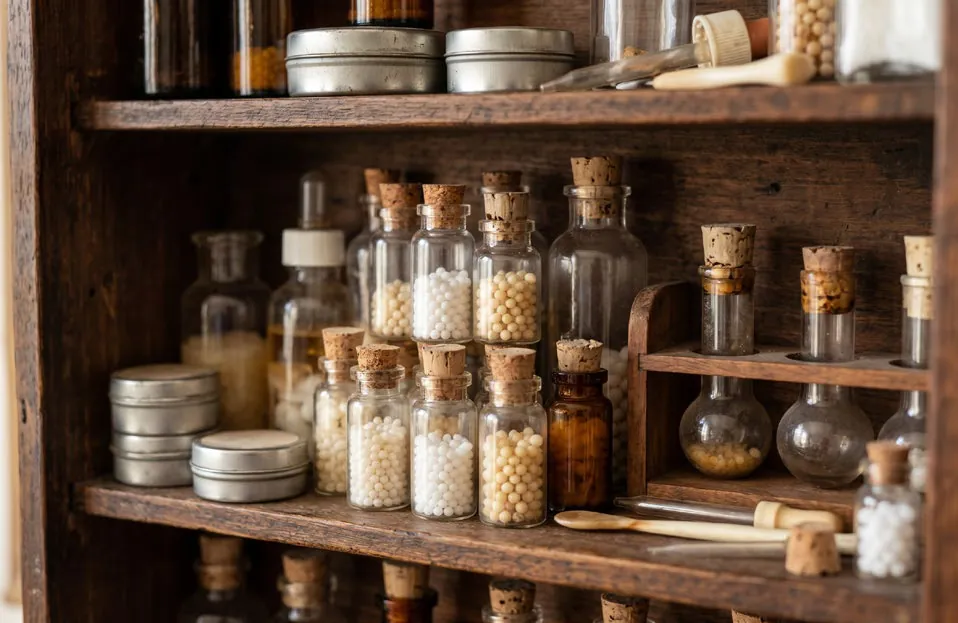
The second principle is dilution. In preparing homeopathic remedies, the original substance is repeatedly diluted in water or alcohol. This process is often accompanied by a specific form of shaking. Homeopaths believe that repeating the process of dilution and shaking increases the effect of the remedy. Homeopathic products may come in the form of small sugar pellets, tablets, drops, or ointments.
An individualized approach – According to homeopathic practice, different remedies may be selected for different people with the same condition, as attention is given not only to the diagnosis but also to the symptoms described by the individual.
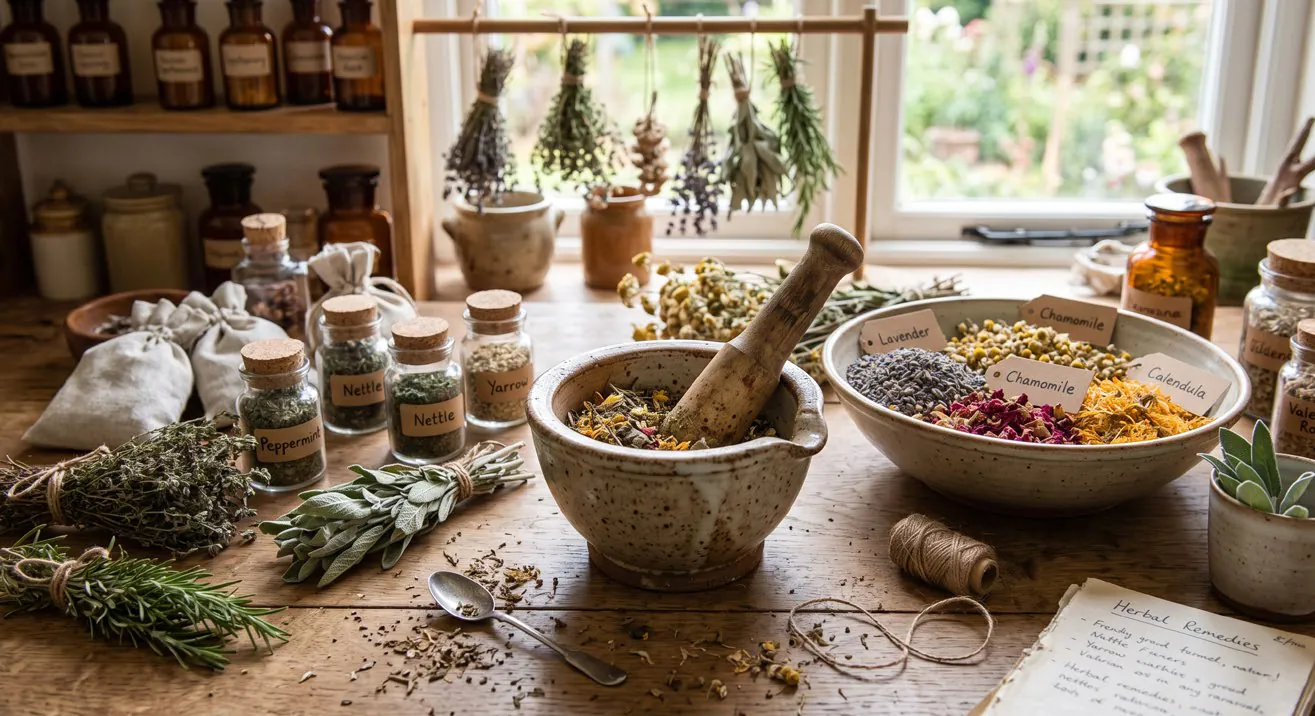
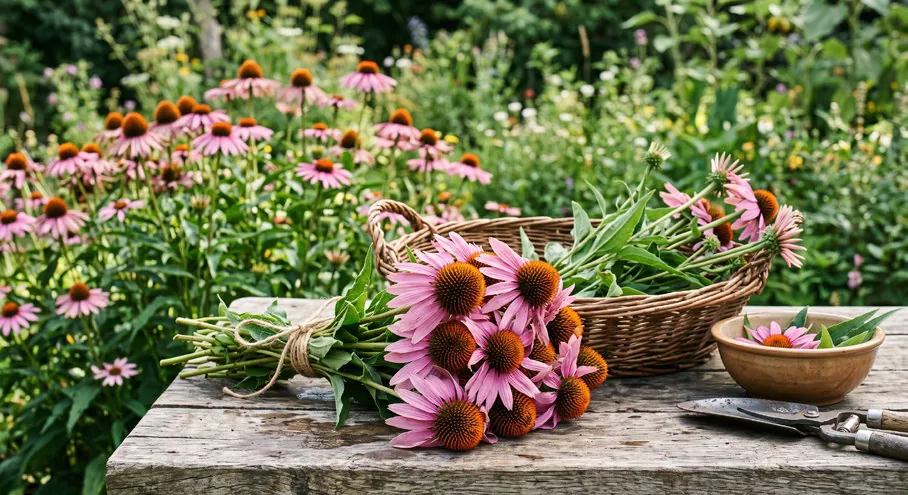
Phytotherapy differs from homeopathy. It involves the use of plants, parts of plants, or plant extracts to help prevent health problems and, in some cases, for treatment. Plants contain numerous biologically active substances, including essential oils, alkaloids, tannins, glycosides, saponins, and other compounds. A plant’s medicinal properties may depend on its species, growing conditions, and the way it is harvested.
Medicinal plants are used in various forms: Infusion – prepared by steeping a particular part of a plant in warm or hot water. Decoction – prepared by boiling roots, bark, or other hard parts of a plant. Extract – a more concentrated preparation of substances obtained from a plant. Ointments and creams – used mainly for external application. Essential oils – aromatic, highly concentrated substances derived from plants. Capsules and tablets – preparations containing standardized or concentrated plant material.
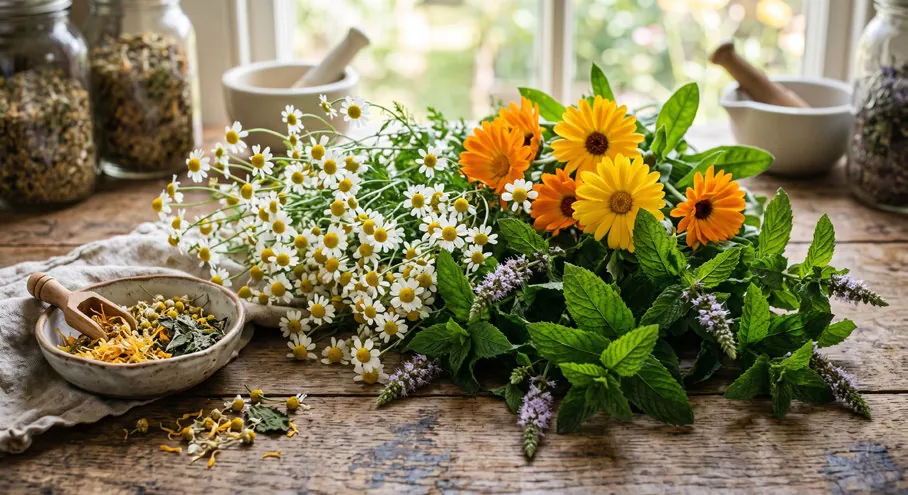
Georgia’s natural environment is rich in medicinal and aromatic plants. Different regions have centuries-old traditions of gathering and using plants. Plants used in folk medicine include mint, chamomile, sage, St. John’s wort, rosehip, linden, nettle, dandelion, and others.
The tradition of using plants has been passed down from generation to generation.
It is important to remember that natural origin does not mean complete safety, as herbal remedies can also cause side effects and interact with other medications.
Therefore, when using homeopathy or medicinal plants, it is important to consider the scientific evidence, follow appropriate dosing, and seek advice from a homeopathic practitioner.