White Studio
White Studio and the New Life of Georgian Ceramics – Nato Eristavi
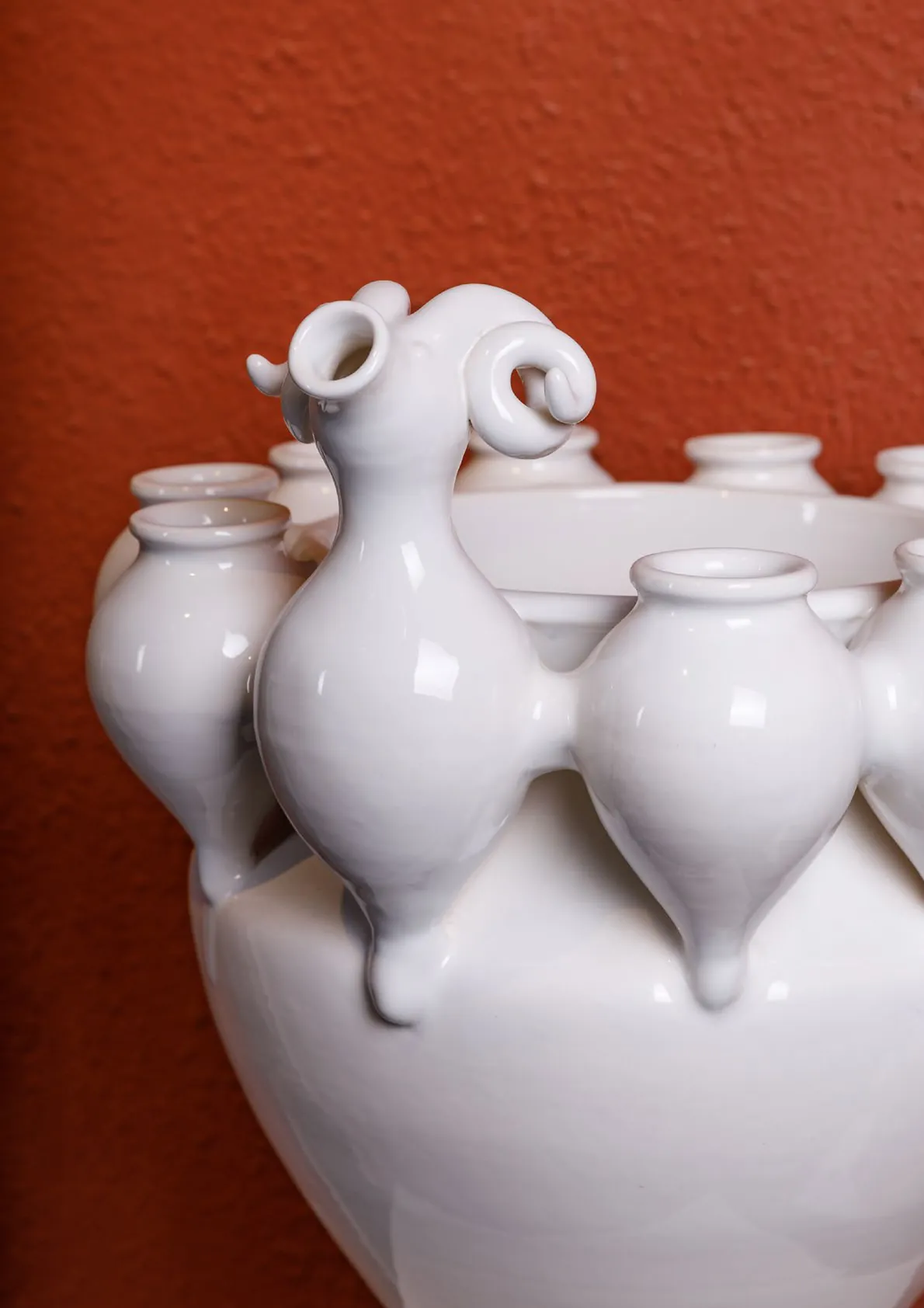
Ceramics, an art that brings together earth, water, air, and fire, has been integral to Georgian culture for centuries. However, the development of this field has not always progressed at the same pace, and its revival has often depended on the strength of individual creativity. Such is the story of Georgian artist and ceramist Nato Eristavi, for whom working with clay is not simply a professional choice but a lifelong passion.
Her path to ceramics began with childhood interests, but one decisive encounter opened an entirely new world for her. In this interview, the Georgian ceramist shares how this “mystical” experience became her main professional direction, how White Studio was created, and what challenges and opportunities Georgian ceramics face today.
How did your relationship with ceramics begin? Do you remember the first work that made you feel this was your field?
My story with ceramics began somewhat unexpectedly. Like every child, I used to draw – nothing particularly special – but eventually my interests focused on biology and drawing. When the time came to apply to university, my parents realized that they had more acquaintances who were artists than biologists. My godfather took me to a consultation with Alde Kakabadze and Rezo Iashvili, ceramists who were truly exceptionally talented.
When I entered their house, it became a turning point in my life. I was about 14 or 15 years old, and walking into their workshop felt like entering an entirely new world. My mother had collected ceramics all her life, and the walls of our home were filled with ceramic objects. I had grown up surrounded by them, yet I knew absolutely nothing about how they were made.
When Alde and Rezo began talking about ceramics, they
made a huge impression on me. They described ceramics as something mystical, the control of the elements, a combination of water, fire, earth, and air. Ceramists, they said, are the ones who control these elements. Their workshop was extremely impressive, and the idea of controlling the elements had a powerful impact on me.
It was so interesting that I felt a truly magical force that made me forget everything else and become deeply interested in ceramics. At the same time, these people worked at the academy and even expressed a desire to guide me in this field.
After that moment, my path was decided: I would apply to the academy. I was only 16 years old. I still have my first ceramic work. You might be surprised, it was an ashtray. Probably because it was the easiest object to make.
Clay can become an obsession. It is the only material that breathes and lives, and the ceramist is the only artist who has direct contact with the material. A sculptor uses tools, a painter uses a brush, a textile artist works with threads or fabrics, but a ceramist works directly with clay using their hands. Because of this, there is a real exchange of energy between the person and the material.
If I am in a bad emotional state, it transfers to the clay. And if you do not understand the material well and do not know its character or its nature, you may be a skilled master, yet nothing will work out. Clay has its own character. It can be plastic, soft, rough, or wild. In other words, clay itself has a personality and specific prop- erties. You must know it very well. And beyond understanding clay, you must also understand fire. If you do not know how to work with fire, the process may fail there as well. This dialogue between the material and the creator is what makes ceramics so exciting.
How did the idea of White Studio come about, and why did you choose ceramics as its main focus?
As an artist, I grew and developed, and I was fortunate to have personal exhibitions in the United States, Japan, Korea, China, Europe, and many other countries. During a very difficult period in Georgia in the 1990s, when electricity was scarce and factories had stopped operating, I continued my creative work abroad.
While traveling, I saw how much this field had developed internationally and how quickly it was progressing, while in Georgia it had almost stopped. After nearly 30 years, there were no professionals, no materials, and no functioning factories.
It was very disappointing to see that Georgian ceramics, with its thousands of years of history, had reached such a difficult situation. A visitor could come to Georgia and not even be able to buy a high-quality ceramic vessel. We are a wine country, and without ceramic Qvevri vessels, Georgian wine culture would not exist. When I present Georgian ceramics abroad, people are always amazed by the depth of its history.
That is when I realized that something had to be done in Georgia, to revive this field, restore it, and remind people of its value. Just as the quality had declined, the artistic aspect had also been largely lost. During the time of Alde Kakabadze and Rezo Iashvili, Georgia had such outstanding ceramists that they received medals in France and other European countries. Then everything simply stopped. I realized I had to do something, to introduce something new. But the biggest problem was that materials were no longer available in Georgia, while the rest of the world had already moved far ahead.
In addition, my friends and I discovered local white Georgian clay. As it turned out, no one had used it before us. We conducted research and found that this exceptional plastic white clay exists in Georgia. The reason it had not been used before is that it requires firing at porcelain temperatures, while traditional Georgian ceramics are fired at lower temperatures.
Our ancestors likely tried firing it at higher temperatures, saw that it cracked, and assumed it was unsuitable. It was only when I went to Japan that I understood that this clay required high-temperature firing. I began experimenting with it and realized it was an extraordinary material.
Eventually, we decided something had to be done. In 2013, we founded White Studio. Because Georgia still does not have a factory that processes ceramic materials, we had to import them - sometimes from Italy, sometimes from Turkey.
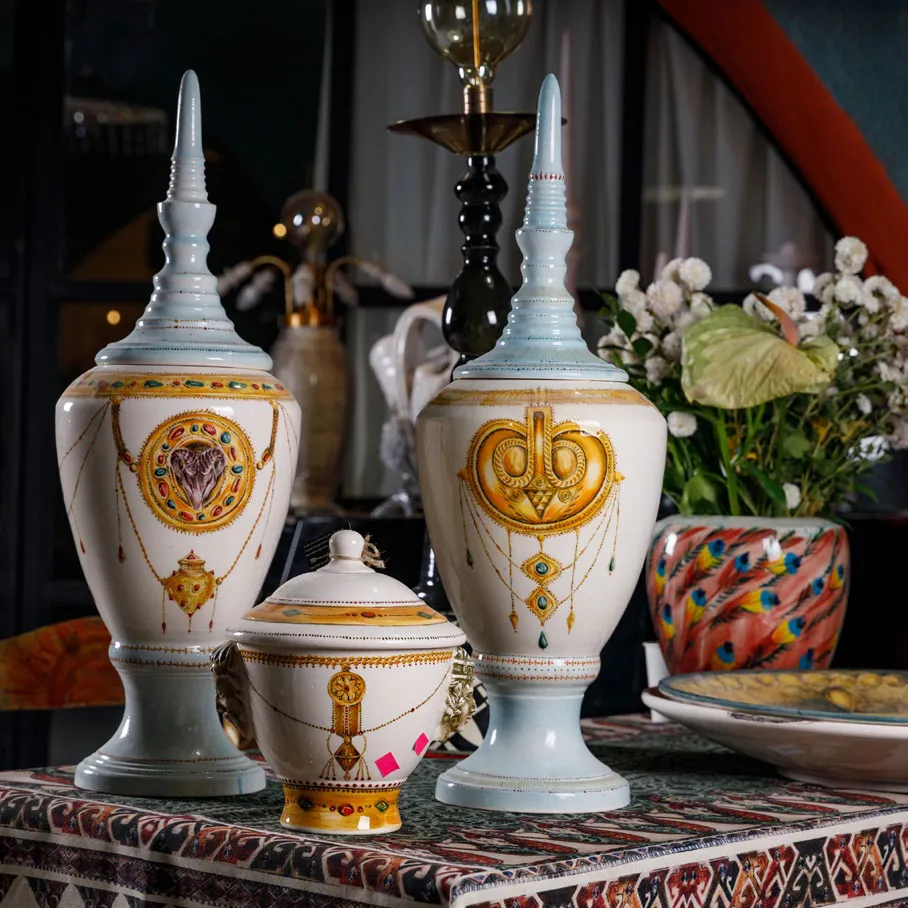
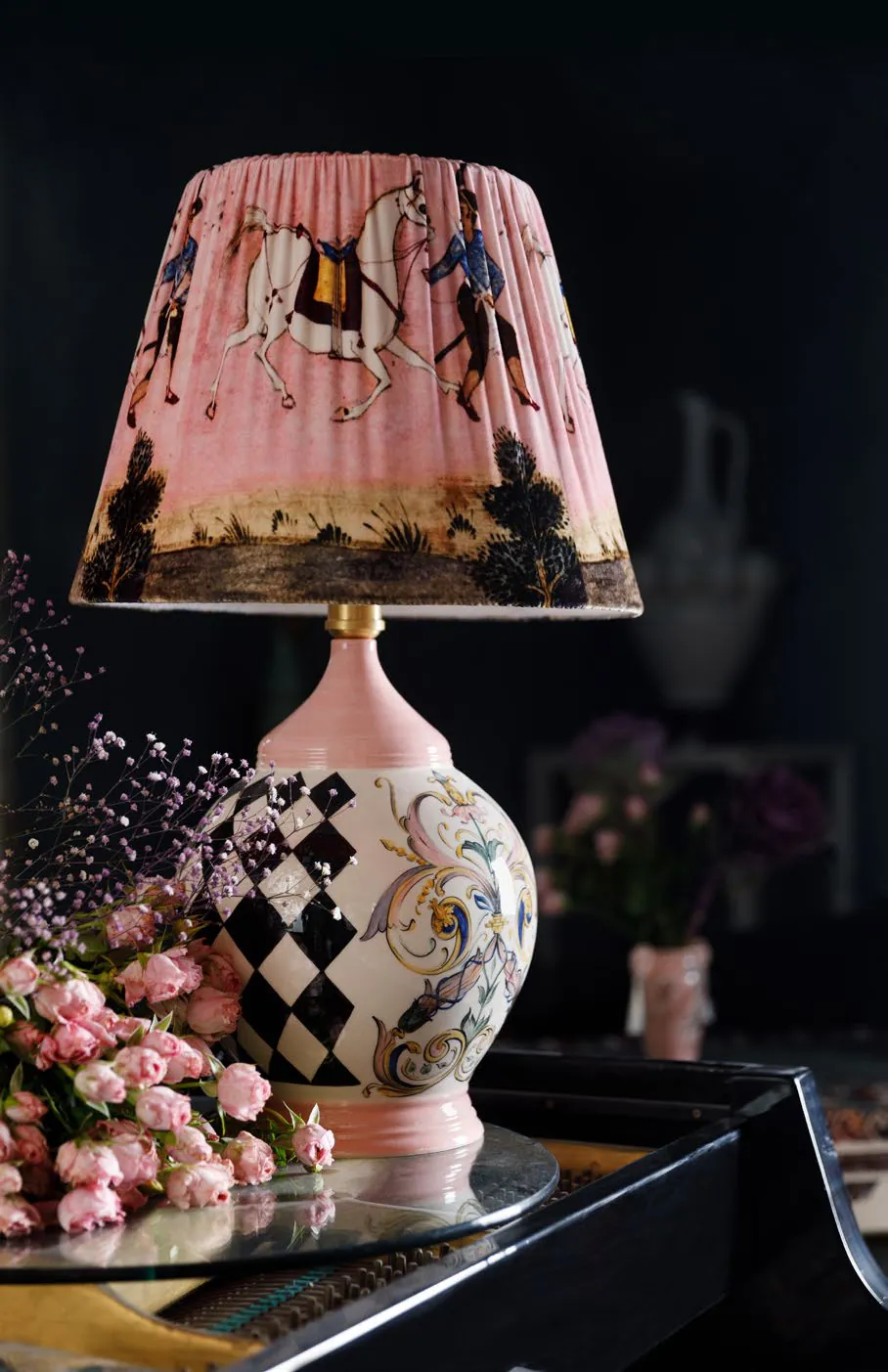
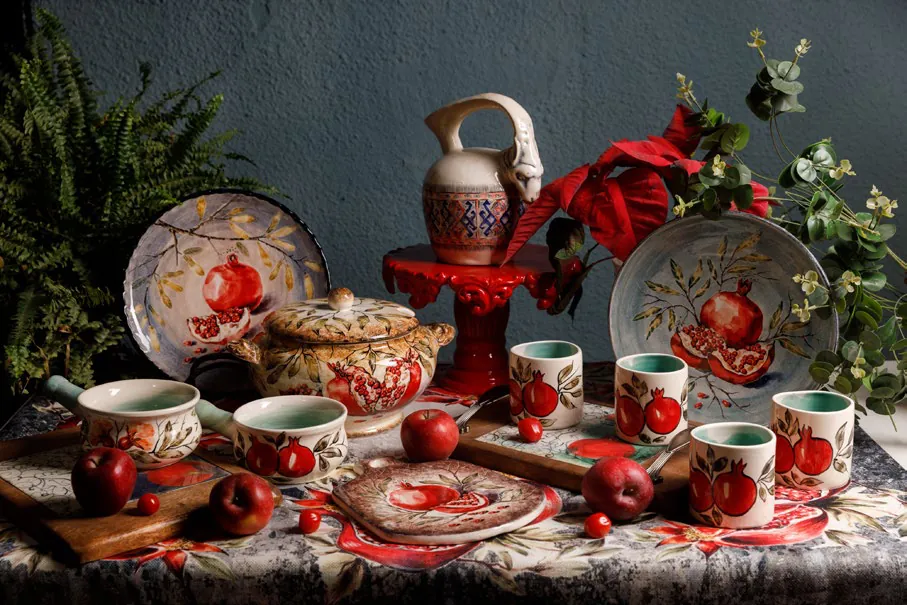
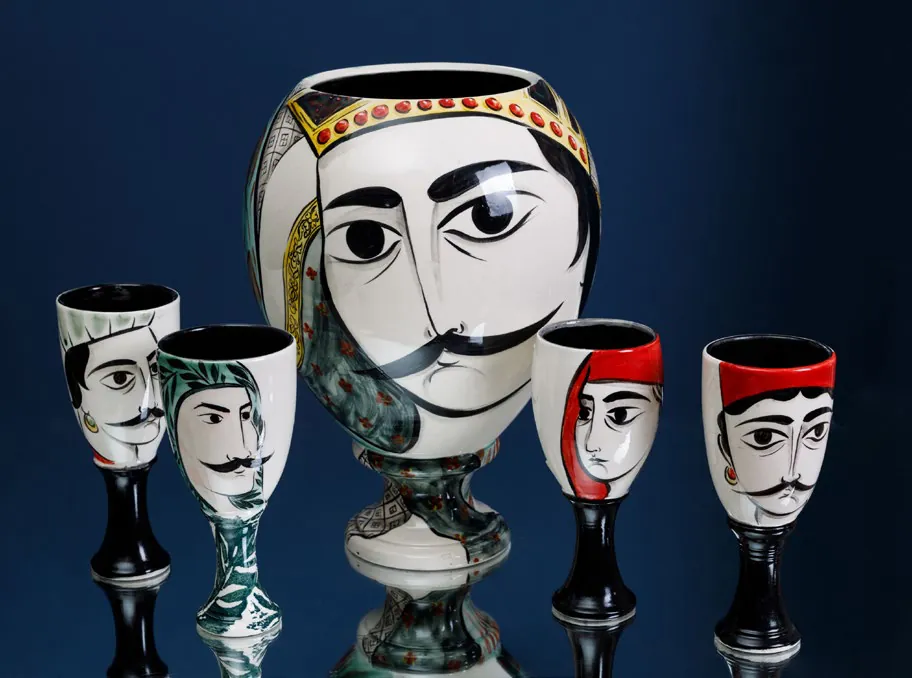
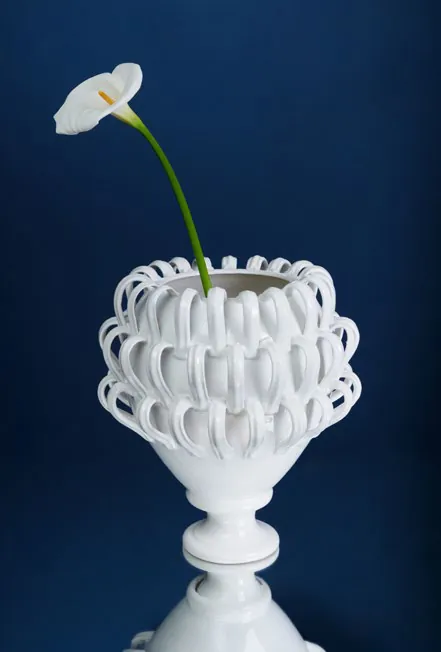
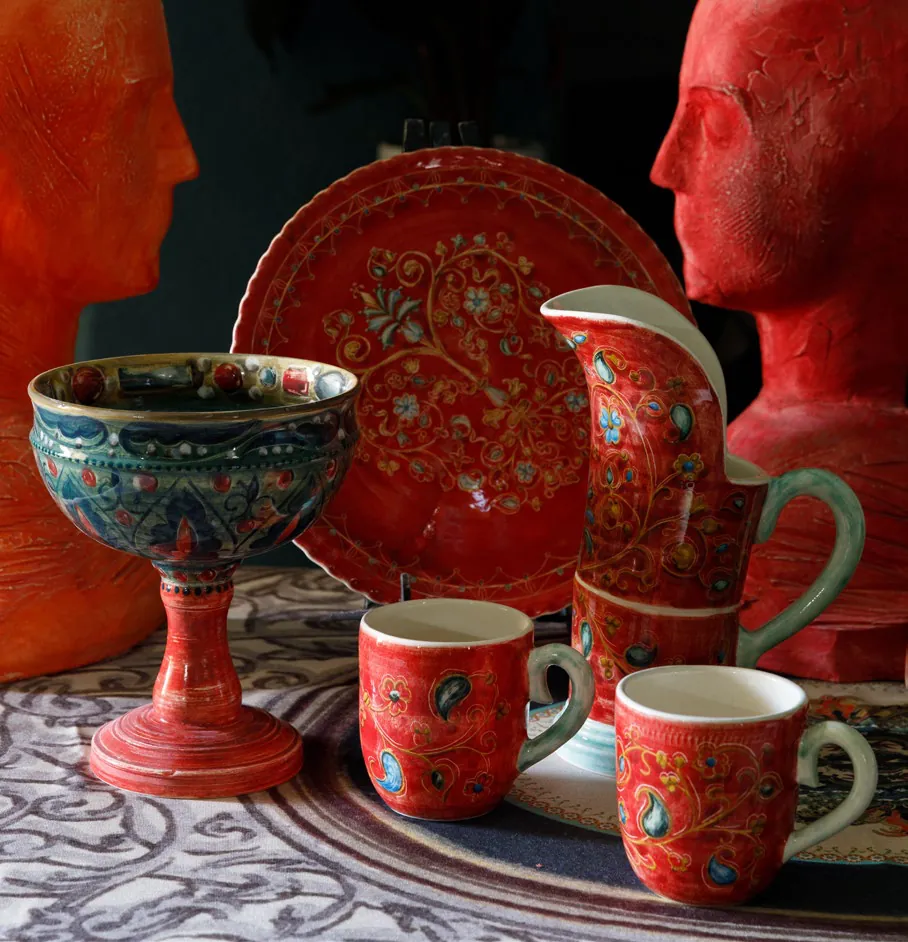
White Studio became the first workshop to introduce new materials, technologies, and styles. We created new designs for Georgian souvenirs, introduced them to the public, and began conducting master classes. Today, when many small ceramic studios exist in Georgia, I believe White Studio has made a significant contribution to making ceramics popular again.
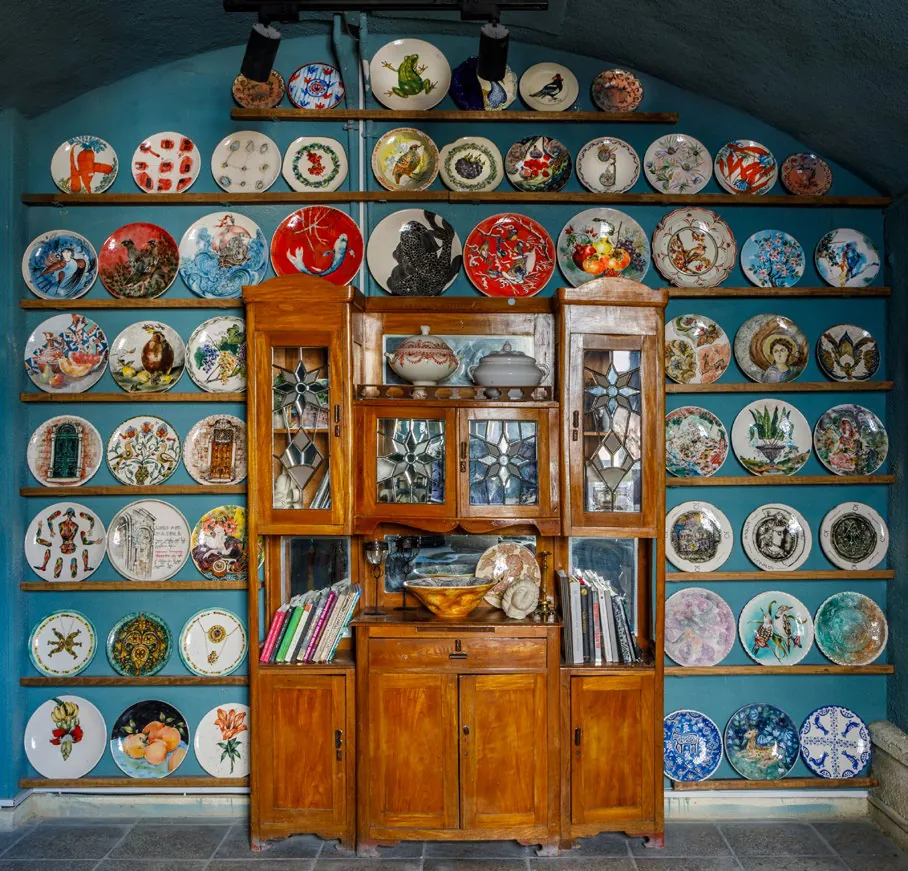
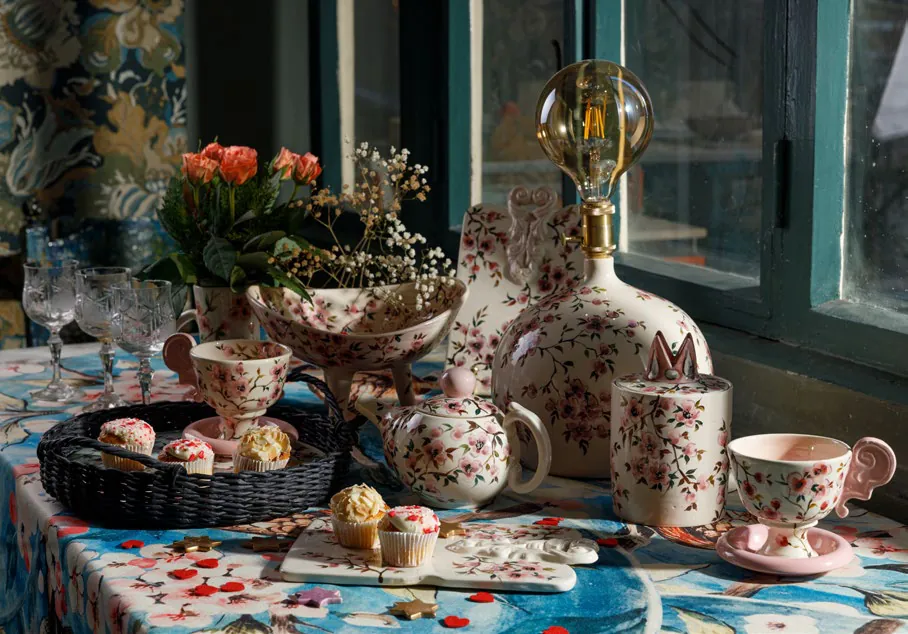
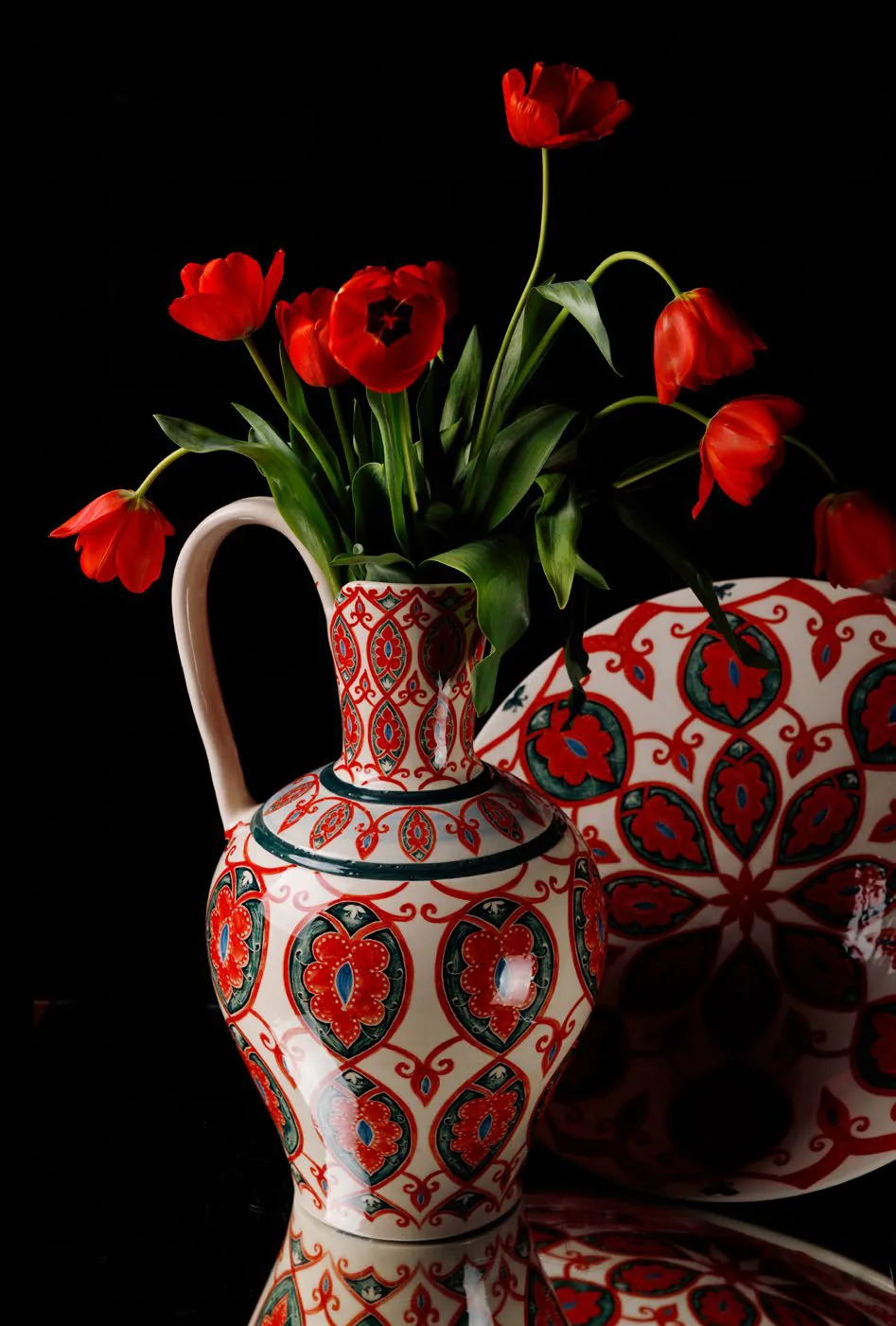
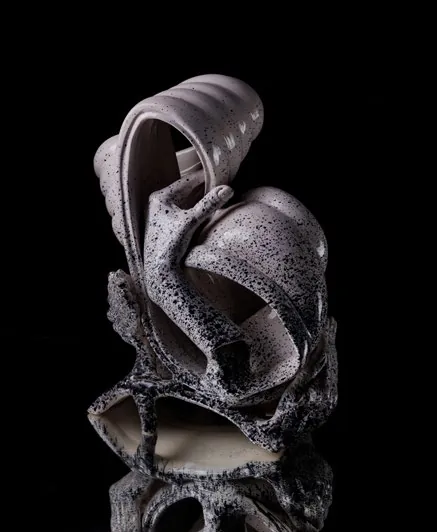
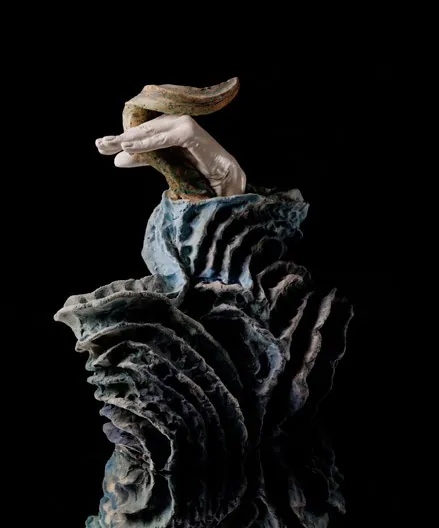
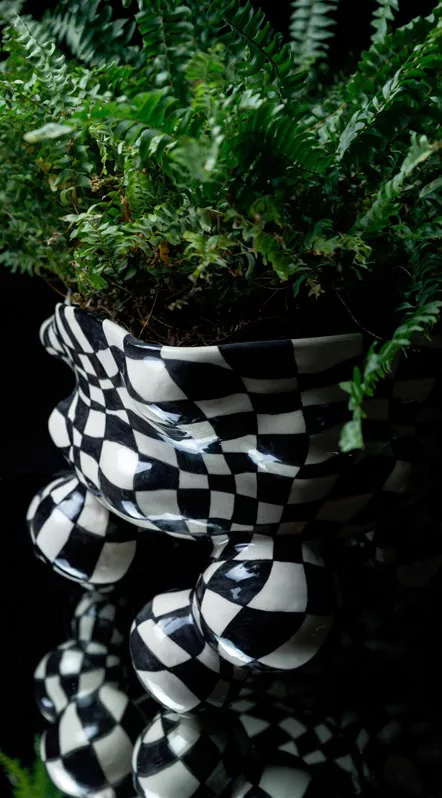
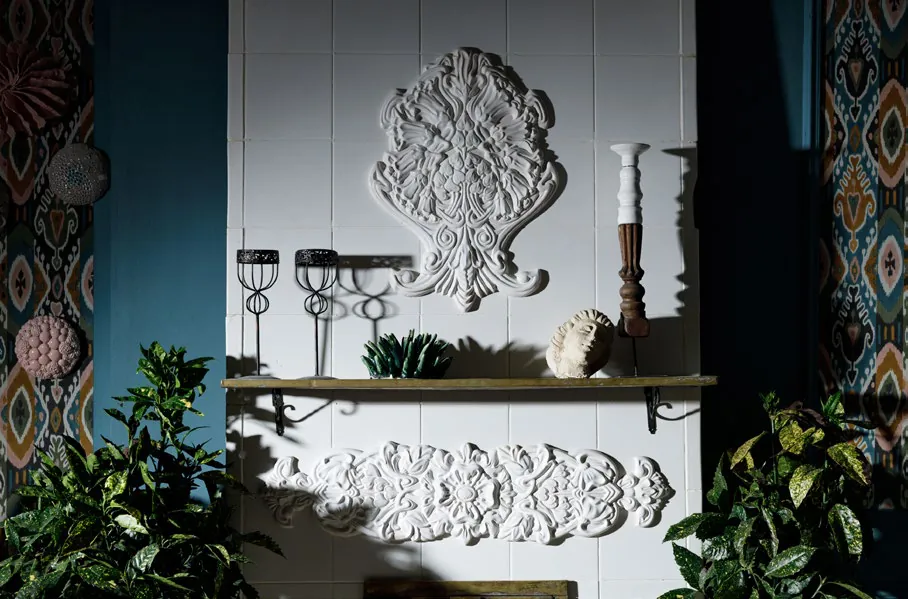
We aimed to create modern Georgian ceramics and souvenirs by taking patterns, ornaments, and shapes from ancient and medieval Georgian ceramics and archaic forms, and transforming them into contemporary designs while preserving their historical roots. Each artist in White Studio has their own distinctive style, which creates an interesting diversity, from minimalist works to more classical pieces.
Despite the difficult times Georgia has faced, including economic challenges and the COVID-19 pandemic, White Studio has remained successful for more than 13 years. We work very hard for this, and we are grateful to everyone who supports and appreciates our work.
What place does ceramics occupy today in modern Georgian design and art?
Until the 1970s, ceramics was one of the most popular artistic fields in Georgia. Even today, this direction remains important. Georgian ceramic works presented at exhibitions and competitions in Europe, Asia, and America are fully comparable to international standards in quality, artistic taste, and craftsmanship.
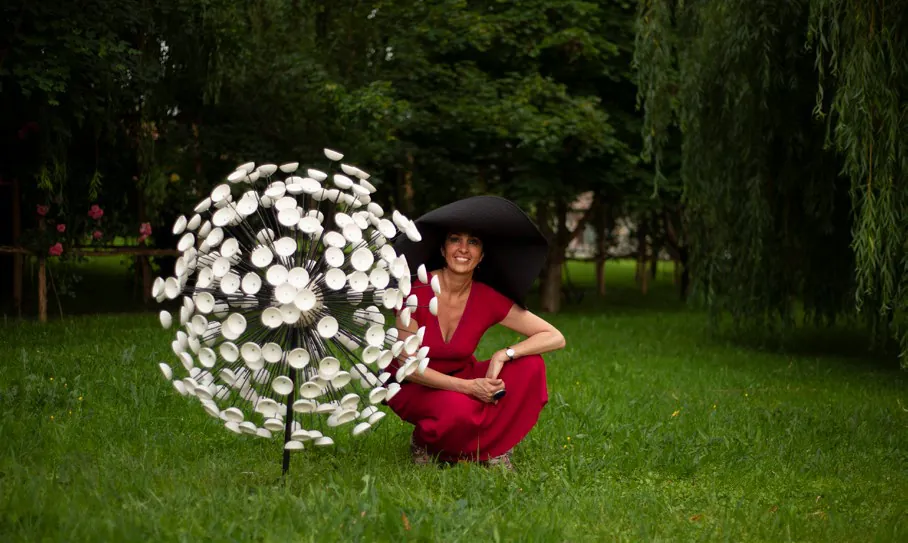
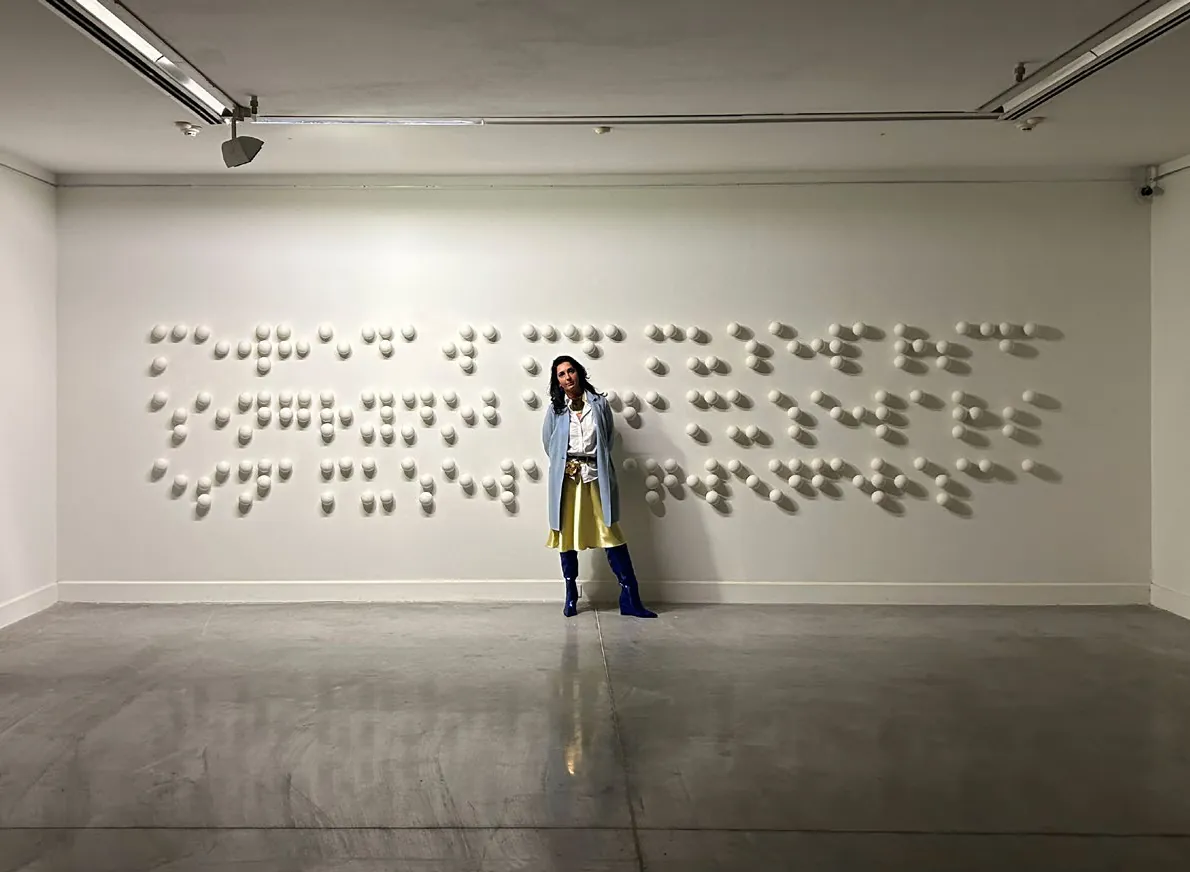
In addition, my colleagues and I, together with White Studio, were the first to organize international ceramics festivals in Georgia. One of them is the international garden ceramics symposium held at Lopota, called Bird of Paradise. This high-status symposium is now being held for the fifth time and brings together artists, ceramists, and sculptors from around ten countries each year. Today there are already around fifty ceramic sculptures installed throughout the park area.
How important is manual work for you in an era when many things are automated?
3D printers already exist, but artificial intelligence and robotics have mostly replaced professions that do not require manual work. Handmade art can never be replaced. This is especially true for ceramics, where direct contact between a person and the material is essential.
A ceramic object made by a robot will never feel as alive as one created by human hands. Of course, technology can help us explore new ideas and combinations, but these trends will pass. Handmade work will always remain valuable. It carries history, energy, and individuality that machines cannot reproduce.
What is the biggest challenge for a ceramist today – technical difficulties, the market, or the constant search for one’s own style?
The biggest challenge for Georgian ceramists is the small domestic market. We create works that could impress the world, but exporting them is difficult because ceram- ic objects are fragile, heavy, and bulky.
Because of this, we cannot participate in as many international exhibitions as we would like. This year, we have set ourselves a major goal: to find ways to present our works to the global market. Many people contact us, and we send them our works, but Georgian ceramists still lack broader opportunities to participate in international exhibitions.
What would you say to people who are trying to create ceramic works for the first time?
Ceramics is not just a profession where you go to work and then return home. It is a great adventure, full of risks, joy, and sometimes disappointment. A ceramist lives two lives – one as a human being, and one as an artist. If touching clay does not make you feel completely passionate about it, my advice would be to let it go. You have to become completely absorbed by it, almost “infected,” as I like to say, and become part of this “sect,” as I jokingly call it. You have to dedicate your whole life to it, otherwise it’s better to step away, because without that level of devotion, nothing will really work. There has to be a great deal of love for this craft, otherwise it simply won’t succeed.