From Forest Herbs to Global Wellness
The Timeless Science of Ayurveda
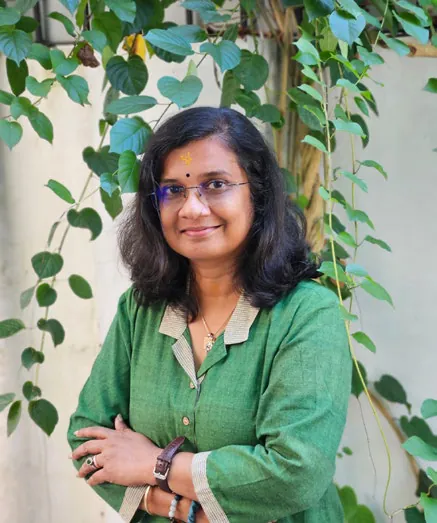
Scientist and hereditary Ayurvedic practitioner Dr. Sreedevi Bhavanandan shares how ancient healing traditions, forest knowledge, and modern research are shaping the future of natural medicine. Kerala, in southern India, is widely regarded as one of the living homes of Ayurveda, the ancient Indian system of medicine practiced for thousands of years. Knowledge of medicinal plants and healing formulations has been preserved for generations among traditional physician families. Dr. Sreedevi holds a PhD in Wildlife Biology and Indigenous Medicine and comes from a hereditary lineage of Ayurvedic practitioners. Her research focuses on medicinal plants and traditional healing practices in the forests of the Western Ghats, one of the world’s richest biodiversity regions. She also leads SBM Ayur (Sri Bhagavathy Madom Ayurveda Nikethanam), developing Ayurvedic medicines, nutraceuticals, and herbal cosmetic formulations used across South India and exported internationally, including the UAE and Canada.
Ayurveda is often described as one of the world’s oldest systems of medicine. How would you explain what Ayurveda really is and what makes it unique today?
Ayurveda means “the science of life.” It is a holistic healthcare system that focuses not only on treating dis- ease but also on maintaining balance in the body, mind, and environment. Its uniqueness lies in the individualized approach to health, where diet, lifestyle, and treatments are tailored to each person’s constitution.
Share your personal story with us. What inspired you to become an Ayurvedic doctor, and how did your journey into Ayurveda begin?
I was born into a family of well-known Ayurvedic practitioners where medicinal plants and healing formulations were part of daily life. Later, I pursued a PhD in Wildlife Biology and Indigenous Medicine, which allowed me to study the relationship between biodiversity and traditional healthcare knowledge. During field research in the Western Ghats, I worked with indigenous communities who possess deep knowledge of medicinal plants. Many of these plants still hold untapped potential for future discoveries in natural medicine.
Ayurveda looks at health in a very holistic way. How does this approach change the way you see illness compared to conventional medicine?
Ayurveda sees health as a dynamic balance. Instead of focusing only on symptoms, it seeks the underlying cause of imbalance in digestion, lifestyle, stress, or environment. Treatment aims to restore harmony and support the body’s natural healing ability.
What are the key ideas in Ayurveda?
Important principles include the Tridosha theory (Vata, Pitta, Kapha), the concept of individual constitution (Prakriti), digestive fire (Agni), and the accumulation of toxins (Ama). Ayurveda strongly emphasizes prevention through daily routines, seasonal living, and balanced nutrition.
Modern lifestyles are fast-paced and often stressful. In your experience, what are the most common health issues people come to you with today?
Digestive problems, stress-related disorders, sleep disturbances, metabolic conditions, joint problems, and skin diseases are increasingly common. Many are linked to irregular routines, poor diet, and modern lifestyle pressures.
Many readers are curious about natural healing. Are there simple Ayurvedic daily rituals or habits that people can adopt to improve their overall well-being?
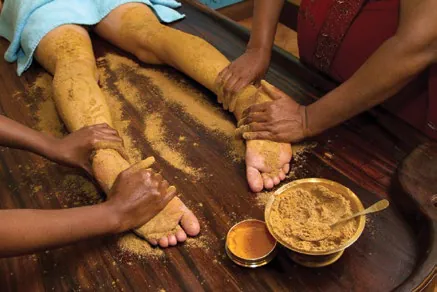
Simple practices such as regular meal timings, fresh food, adequate sleep, tongue cleaning, oil pulling, and self-oil massage (Abhyanga) can significantly improve long-term well-being when practiced consistently.
Food plays a central role in Ayurveda. How does Ayurvedic nutrition help people understand what their body truly needs?
Ayurveda views food as medicine. Diet is customized according to a person’s constitution, digestion, and seasonal environment, helping individuals understand what truly nourishes their body.
Ayurveda also emphasizes living in harmony with nature. How important are seasonal changes in Ayurvedic health practices?
Seasonal adjustments in diet and lifestyle, known as Ritucharya, help the body adapt to environmental changes and maintain internal balance throughout the year.
Dr. Sreedevi Bhavanandan
There is growing global interest in herbal remedies and traditional medicine. Which Ayurvedic herbs or treatments do you find especially powerful in your practice?
Classical herbs such as Ashwagandha, Guduchi, Brahmi, and Triphala remain important in Ayurvedic therapeutics. At the same time, the forests of the Western Ghats contain extraordinary medicinal plant diversity used by indigenous communities. Many traditional remedies for liver disorders, arthritis, skin diseases, and digestive conditions have not yet been fully studied scientifically. Systematic research into these plants may lead to future discoveries for complex diseases such as liver cirrhosis, autoimmune disorders, inflammatory conditions, and even certain cancers.
Finally, for someone who is curious about Ayurveda but hasn’t tried it yet, what would be your advice on where to begin?
Begin with simple lifestyle changes: balanced meals, regular sleep, and routines aligned with natural rhythms. Consulting a qualified practitioner can help individuals understand their constitution and health needs. Ayurveda ultimately teaches that health comes from living in balance with nature.
“Ayurveda teaches us that true health comes from balance — between the body, the mind, and the natural world around us.”
Dr. Sreedevi Bhavanandan