The History and Evolution of the Airplane
Imagine modern life without the airplane. How much time would be lost traveling from one continent to another, or even from one country to the next? How would the global economy function if the transportation of goods were limited, or if many destinations remained unreachable? We can confidently say that without the airplane, much of what we rely on today simply wouldn’t be possible.
The invention of the airplane is one of humanity’s most remarkable achievements. For centuries, people dreamed of flying, a desire reflected in both mythology and art. However, the technological knowledge of the time was not sufficient to turn that dream into reality.
In the 15th century, during the Renaissance, Leonardo da Vinci approached the idea of flight from a scientific perspective. He produced numerous sketches and mechanical models that attempted to imitate human-powered flight by mimicking the movement of birds’ wings. These works continue to fascinate engineers and historians today. However, the technology of his time was not sufficient to bring his ideas to life, and the dream of human flight remained out of reach.
In the 18th century, the desire to fly found a new direction. In 1783, the French brothers Joseph and Jacques
Montgolfier successfully launched the first hot air balloon. This was the first successful human flight.
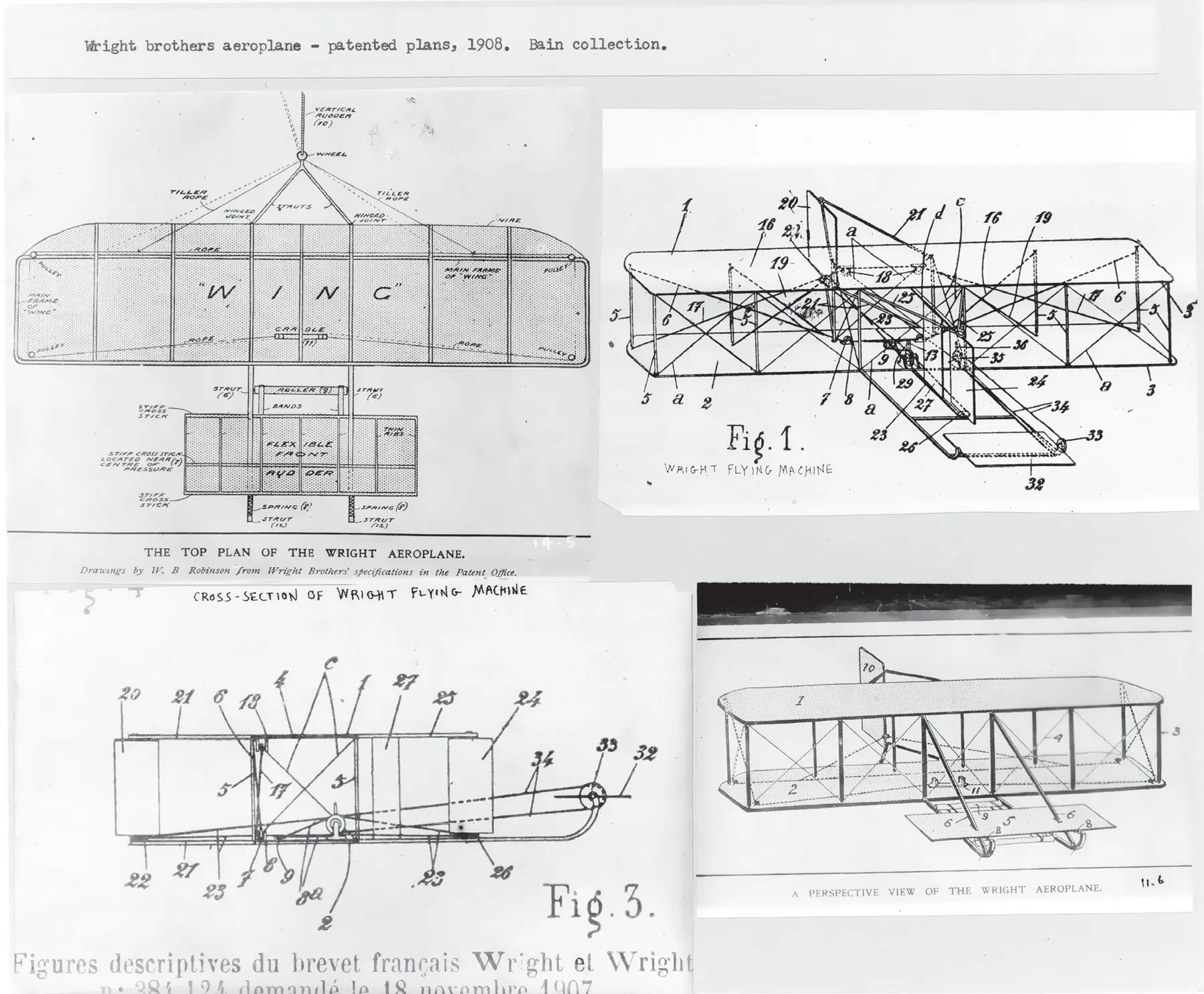
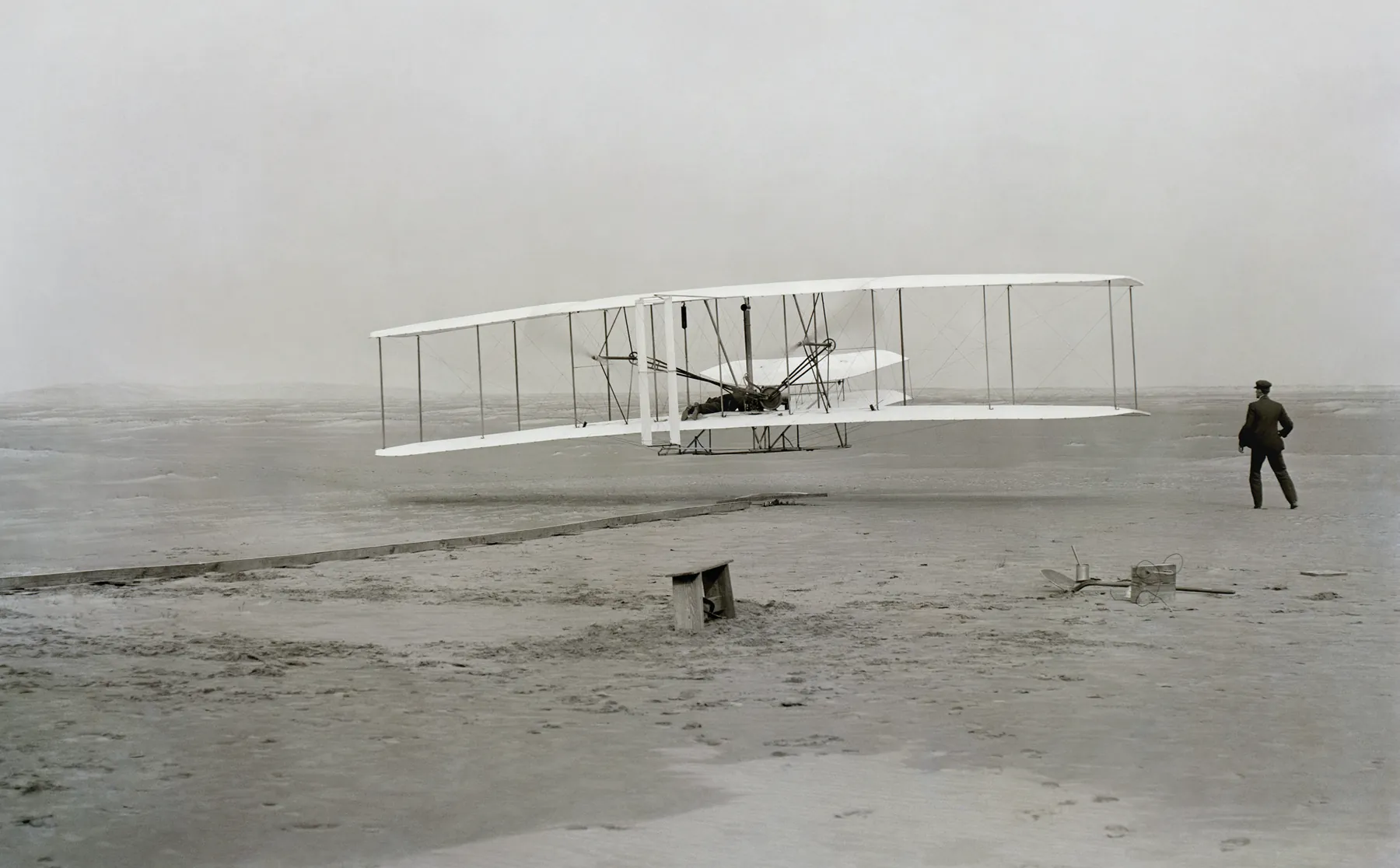
A true breakthrough came in 1903, when American inventors Orville and Wilbur Wright built and flew the first controlled, engine-powered, “heavier-than-air” aircraft. It was called the “Flyer 1.” The first flight lasted only 12 seconds and covered 36 meters. This small yet historic achievement marked the beginning of the aviation era in human history.
In the following years, the development of airplanes continued to advance rapidly. During World War I, airplanes were widely used for military purposes, which significantly improved their design and capabilities. In World War II, jet-powered aircraft were introduced, greatly increasing both flight speed and altitude.
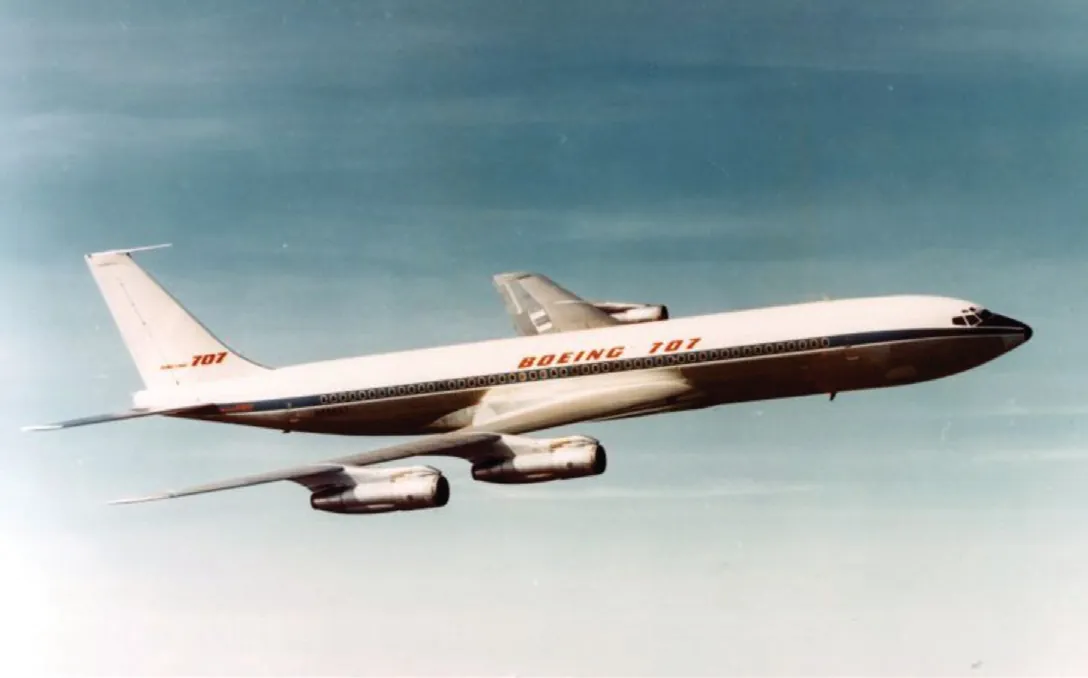
After the war, the golden age of passenger aviation began. In 1958, the first commercial flight of the Boeing 707 took place, connecting New York and Paris. The Boeing 707 jet airliner could carry up to 180 passengers and was far faster and more comfortable than propeller-driven aircraft. Its success transformed the air transport industry. Flying became faster, safer, and more accessible.
Boeing continued to innovate. The Boeing 727 became popular on domestic routes due to its flexibility and ability to operate from shorter runways. The Boeing 737, meanwhile, is still considered the best-selling passenger aircraft in the world, and its modern versions, the Next Generation and MAX series, offer improved fuel efficiency and environmental performance.
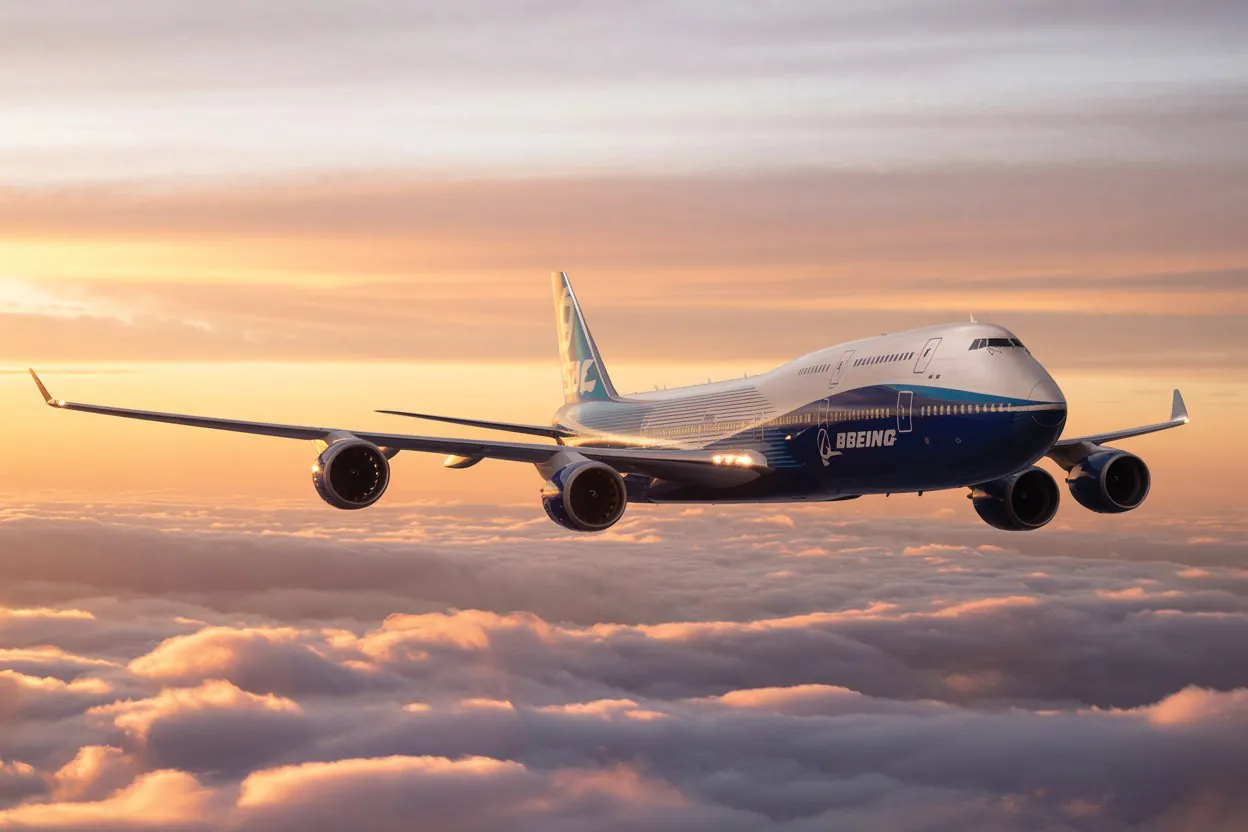
Another milestone arrived in 1969 with the debut of the Boeing 747. This iconic aircraft, capable of carrying more than 400 passengers, became a symbol of mass, comfortable air travel. For decades, it served as both a passenger and cargo aircraft and set standards that shaped modern aviation.
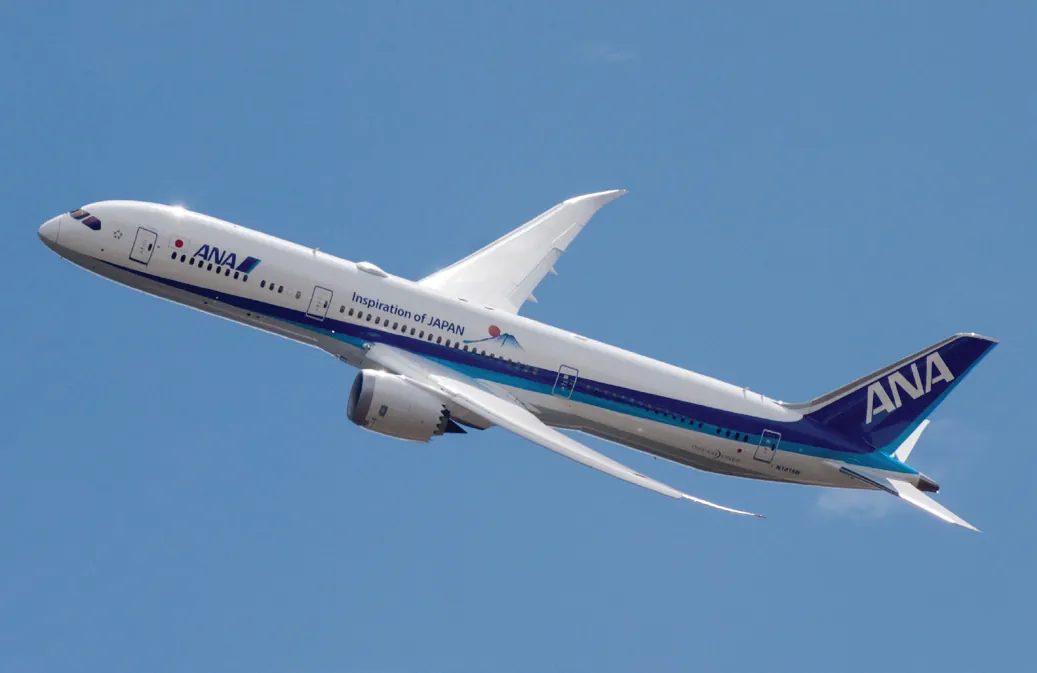
In the following years, Boeing introduced a new generation of aircraft - the 757, 767, 777, and finally the 787 Dreamliner, launched in 2011. The Dreamliner stands out for its use of composite materials, energy-efficient engines, and advanced avionics. At the same time, European manufacturer Airbus emerged as a strong competitor, contributing significantly to global aviation with models such as the A320 and A380.
Today, airplanes are not only a means of transportation but also a symbol of technological innovation. The journey from Leonardo da Vinci’s dream to modern reality clearly shows how capable the human mind is of achieving the impossible.