The Etymology of the Georgian Word
Words are small gateways through which we share our world with others. The Georgian word, as a treasure of language and identity, is not only a means of communication for the Georgian nation but also a unique historical heritage that has accompanied us from ancient times to the present day and continues to develop. Each word carries its own independent story. Its roots are preserved in ancient manuscripts, stone inscriptions, royal laws, and folk tales. Therefore, the study of the origin of the Georgian word is not only a major subject of linguistics but also of cultural and civilizational research. The Georgian language belongs to the Iberian-Caucasian (Kartvelian) language family. The language itself consists of its lexical composition, within which constant changes take place. Some words disappear from active use, some change their form, others their meaning, and some transform into entirely new words.
A language is enriched in two main ways: through borrowing and through the creation of new words. A developed language is characterized by a rich vocabulary, and Georgian is considered one of such languages. The earliest lexical influences came from the ancient Eastern civilizations, including Sumerian, Proto-Hittite, Urartian, Elamite, and others. The second significant wave of lexical borrowing came from the Indo-European languages, especially Iranian. This was followed by influences from Arabic, and later from Persian and Turkish.
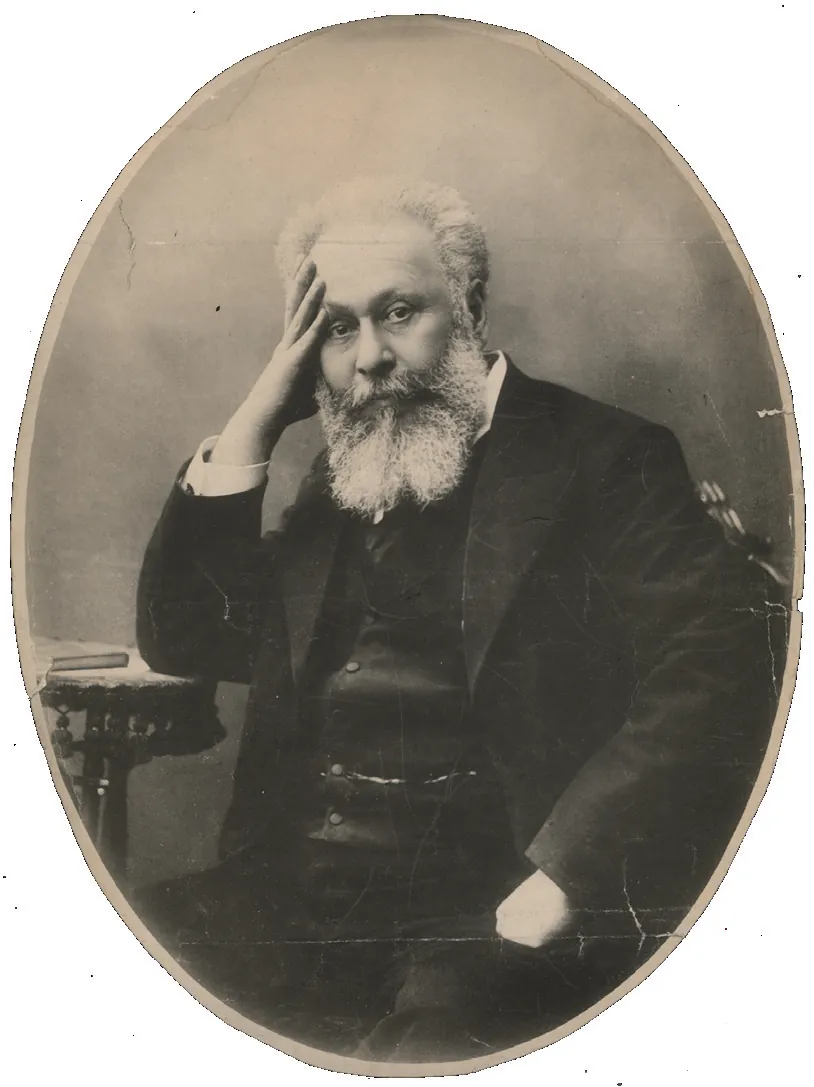
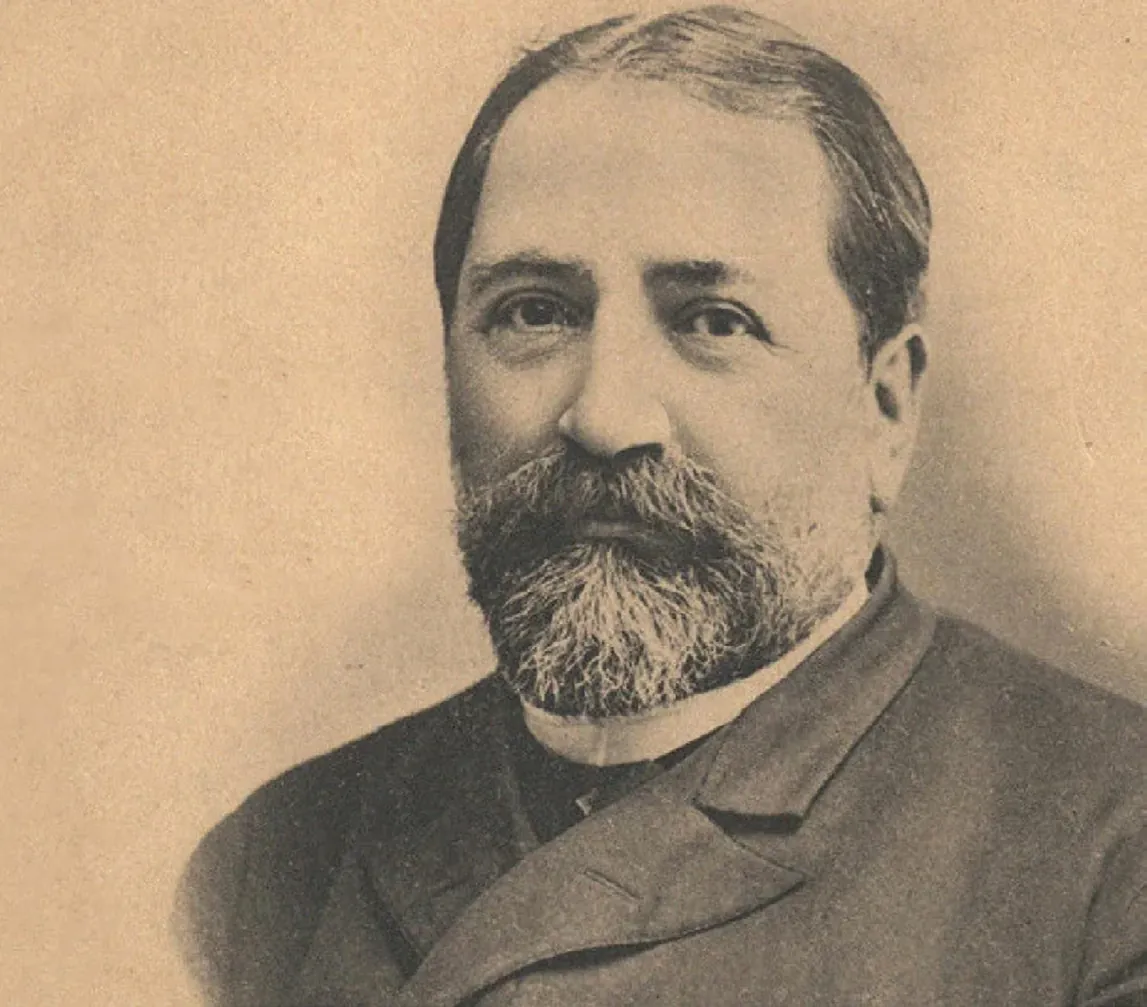
Many words have been created by people themselves, some in everyday speech, while others through literary creativity, storytelling, and poetry. Prominent Georgian writers played an important role in the formation of new words. Among them are Akaki Tsereteli, Giorgi Leonidze, Niko Nikoladze, Ilia Chavchavadze, and others. It is fascinating how Ilia Chavchavadze created the words he needed. He often searched for them in the living speech of the people and, in accordance with the nature of the Georgian language, formed new words using well-known roots and affixes. In word formation, he often used the affixes -eba, -oba, and -so. His name is associated with the revival and popularization of many forgotten or rarely used words, such as mamuli (homeland), samshoblo (fatherland), mitsa-tskali (land and water), mamulishvili (son of the homeland), mamulishviloba (patriotism), and samamulo (national). He also established the use of the word mokalake (citizen).
One of Ilia Chavchavadze’s main goals was to enrich the lexical treasury of the Georgian language. For this reason, his contribution in this field is invaluable.
According to scholars, the roots of the Georgian
language date back to the 2nd millennium BC, a fact confirmed by archaeological materials and place names preserved from Bronze Age cultures. The earliest written sources include the Bolnisi Sioni inscription dating to the 5th century, which is among the oldest examples of the Georgian alphabet, as well as the Marabda and Tsondi inscriptions from the 5th–6th centuries. Even earlier references appear in Greek and Roman sources, which indicate the existence of a distinctive and interconnected linguistic system in the Iberian and Colchian regions. During this period, the Asomtavruli script was in use, demonstrating the stable structure of words and a developed speech.
Over time, the Georgian word has changed in form, orthography, and meaning. This process is clearly reflected in literary works as well. For example, “Kartlis Tskhovreba” (The Life of Kartli), filled with historical chronicles, ancient language forms, and terminology, illustrates earlier stages of the language. Shota Rustaveli’s “The Knight in the Panther’s Skin”, a national treasure and a bedside book for Georgians, contains the rich vocabulary of the classical Georgian language. In the 19th and 20th centuries, the activities of Georgian public figures played a significant role in shaping the modern Georgian literary language, leading to the rise of a new layer of scientific and technical terminology.
The origin of the Georgian word has a centuries-long history, confirming that language is a living organism that develops continuously. It absorbs foreign elements while at the same time preserving its own unique roots. The Georgian language is not only the voice of our ancestors’ daily lives but also one of the main pillars of culture and identity. Its preservation remains both a spiritual calling and a social responsibility for each generation.