How to Overcome the Fear of Flying – Aviophobia
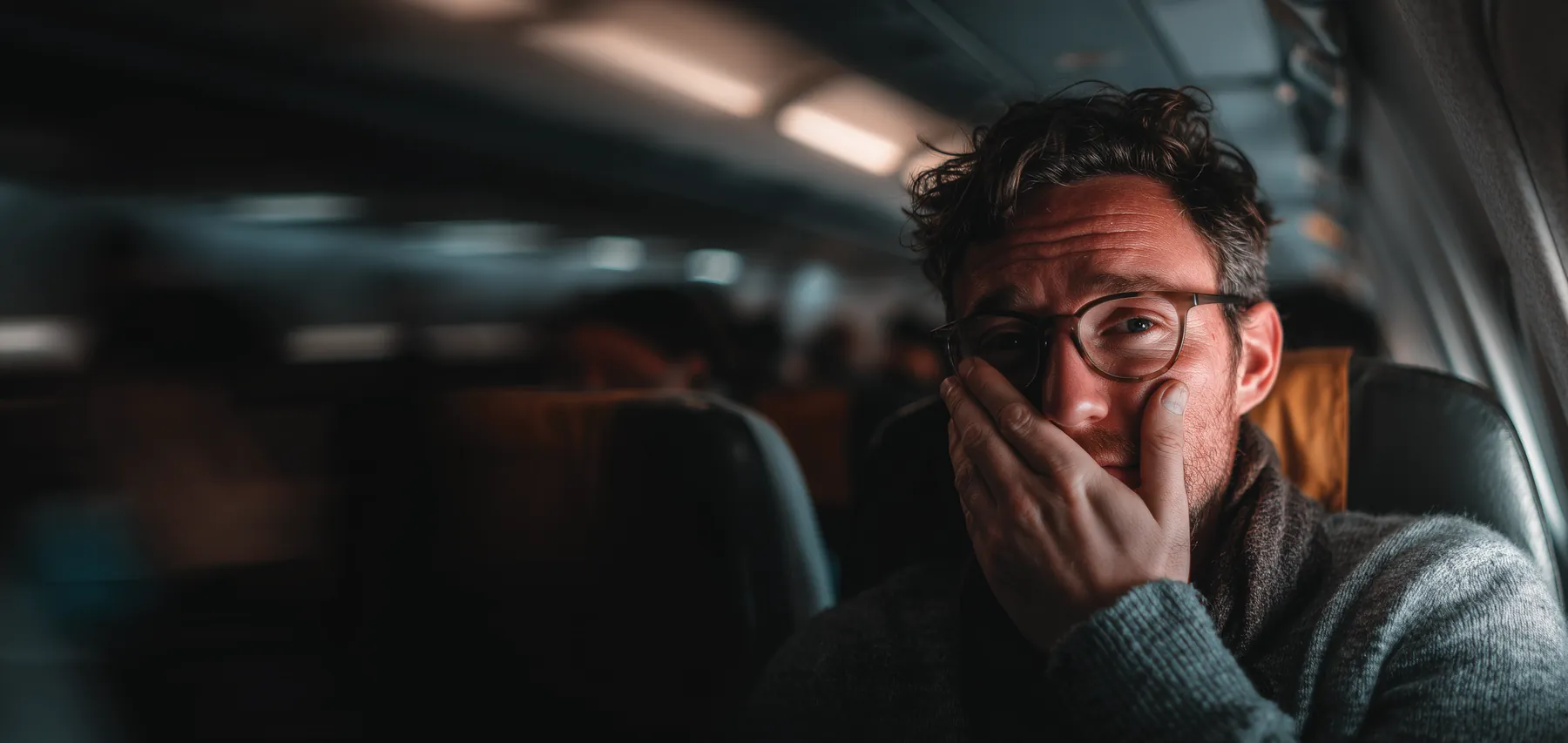
The fear of flying is one of the most common phobias in the modern world. According to statistics, around 25-40% of adults experience some degree of fear or discomfort when flying, while 5-10% of the population has intense aviophobia that becomes a serious obstacle to travel. Despite this, air travel remains the safest form of transportation, meaning that with the right methods, it is absolutely possible to overcome this fear. In this article, we outline simple and practical steps to help you better manage your fear of flying and make your trip a more relaxed and enjoyable experience.
The first and one of the most effective steps in overcoming the fear of flying is gaining information. When people understand how an airplane works, why turbulence occurs, how strict aviation safety regulations are, and what the data shows about air travel safety, their fear often decreases significantly. Knowledge reduces uncertainty, which is one of the main sources of anxiety.
The second step is to practice breathing and relaxation techniques, which have been proven to reduce stress both before and during a flight. That’s why specialists recommend that people with aviophobia practice short breathing exercises daily, especially before boarding.
The third step involves redirecting your attention. Fear of flying often intensifies when a person focuses on every sound or movement. Instead, distract yourself with music, a movie, a book, or another activity that absorbs your attention. These methods can genuinely help reduce physical and emotional tension during the flight.
The fourth step is based on the principles of exposure
therapy. It is a psychotherapeutic method used to treat phobias, post-traumatic stress, obsessive–compulsive disorder, and other anxiety-related conditions. Its goal is to gradually and safely expose a person to the environment or situation that triggers fear or anxiety. For example, if you are preparing for your first flight, visit the airport in advance, familiarize yourself with the environment, and observe the aircraft up close. You may also begin with short flights and gradually increase the duration as your comfort improves.
The fifth important step is to observe and reframe your thoughts. The fear of flying often intensifies when a person imagines catastrophic scenarios. For example, interpreting turbulence as danger, even though it is a completely normal event for an airplane. Reframing these thoughts into more realistic ones, such as “This is just normal turbulence,” significantly reduces anxiety.
The sixth step involves seeking professional help, which is particularly effective when the fear of flying is intense. Psychologists and therapists use targeted techniques designed to reduce phobias. Often, just a few sessions are enough for a person to stop perceiving flying as a threat and to travel with ease and confidence.