From Clay Oven to Table: the Breads of Georgia
Bread holds a special place in Georgian culture and everyday life. In Georgian tradition, there is a saying, “Cheese, bread, and a kind heart.” Indeed, both the feast and relationships begin with bread. In Georgia, there are dozens of types of bread, whose baking technologies and forms reflect a deep and ancient culture of craftsmanship. Bread is an essential food product, and its dough is typically made from wheat flour. Georgia is considered one of the oldest centers of grain cultivation. Rich varieties of wheat were developed and cultivated in eastern Georgia, which contributed significantly to the country’s development. In the past, unground wheat grain was called “suladi,” while the ground product was known as flour. Different types of bread were baked from wheat of various qualities and characteristics. In this arti cle, we introduce the main types of Georgian bread and their centuries-old baking traditions.
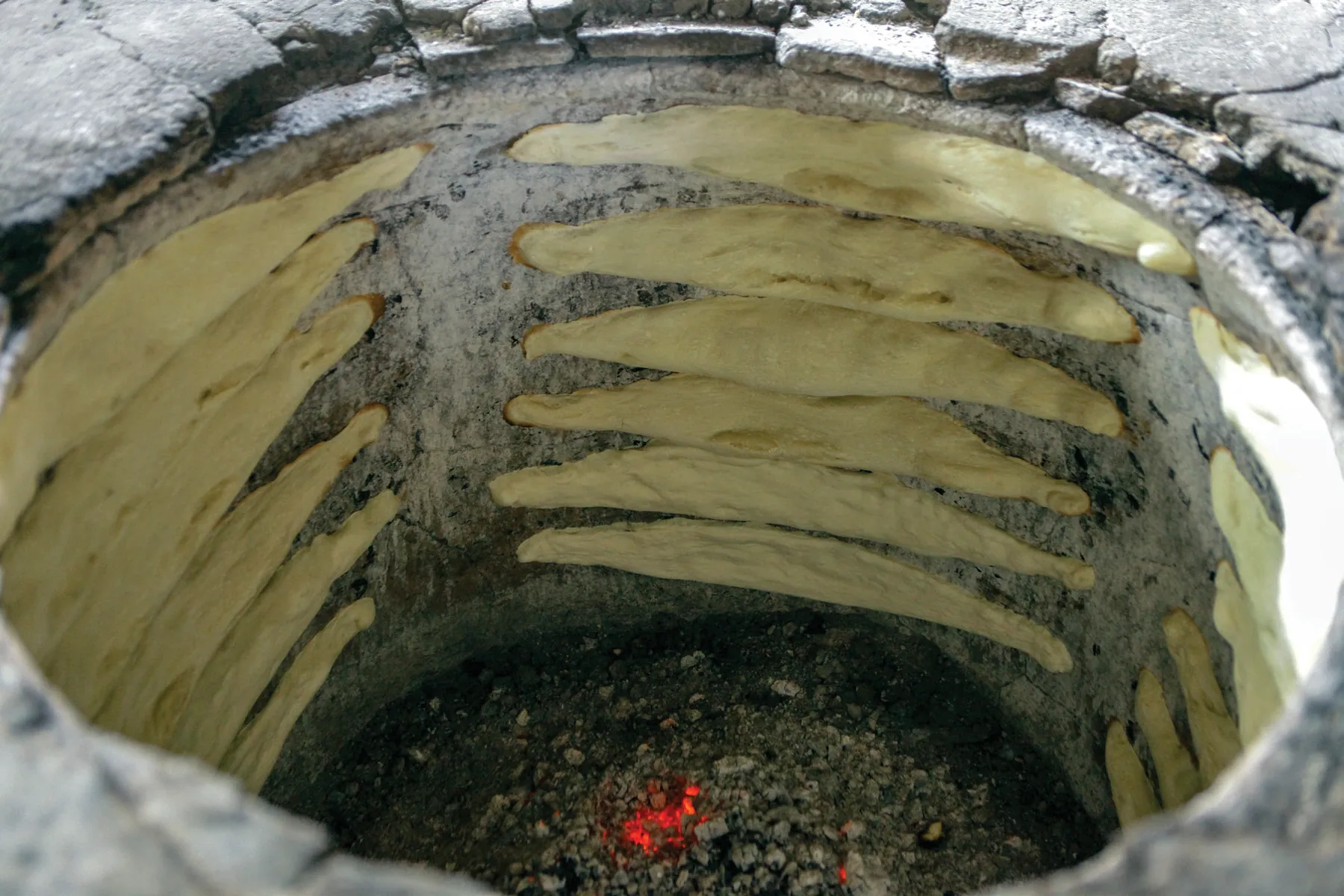
Tone bread, or “tonis puri” – The “tone,” known in old Georgian as “torne,” is a deep, cylindrical clay oven embedded in the ground and widely used in Georgian lowland regions for baking bread in high-temperature conditions. In Georgian bread-making traditions, there are mainly two types of “tone” ovens: household and professional baker’s ovens. In household use, small, medium, and large cone-shaped and wide-mouthed ovens are common, along with the bread baked in them. Professional baker’s ovens differ from household ones in both size and structure.
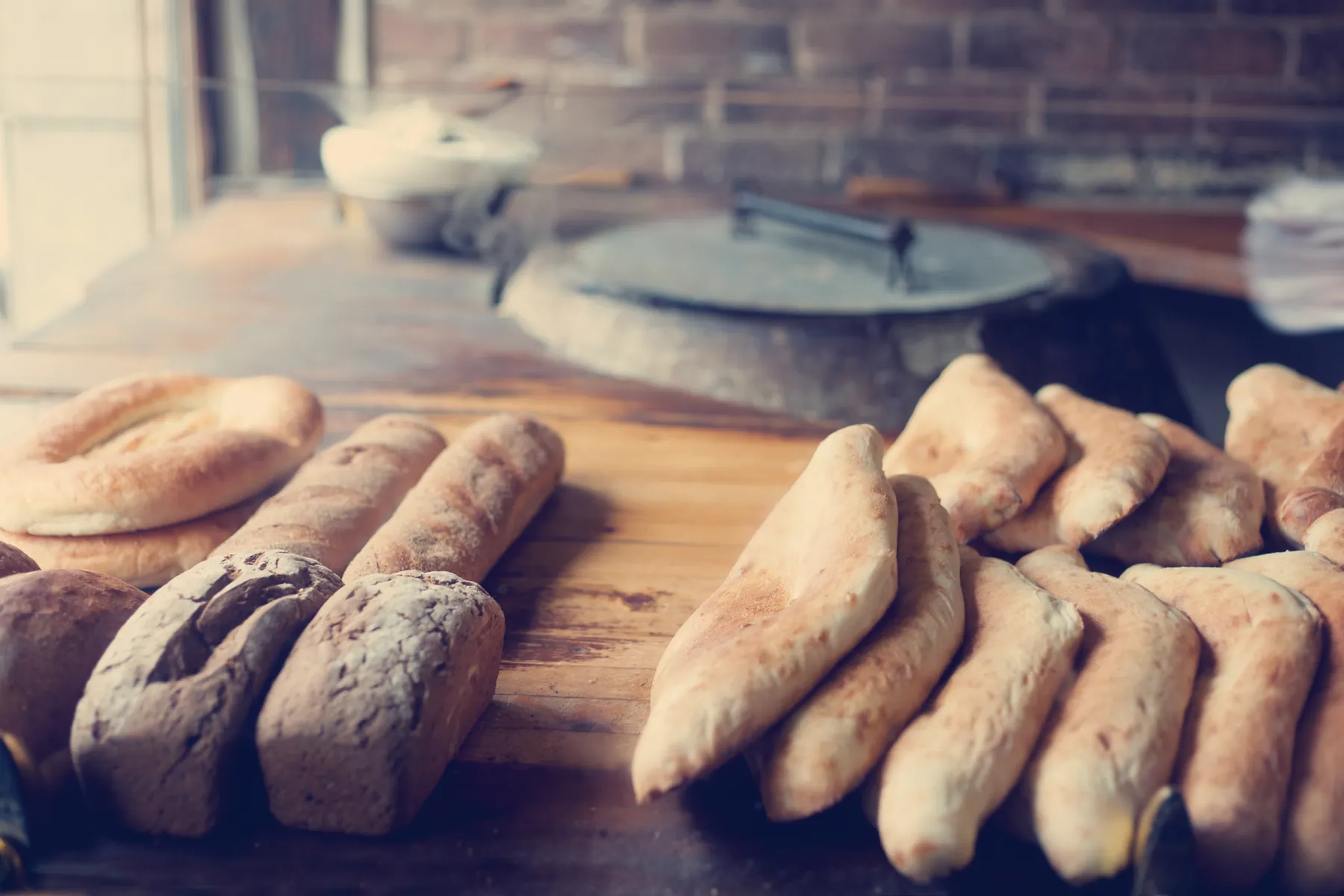
“Shoti” is one of the types of tone-baked Georgian bread. It is long and slightly curved, with a thick middle, thin edges, and pointed ends. Particularly long and sword-shaped “shoti” loaves are baked in Kakheti, while in Kartli, shorter versions are more common. The origin of the name “shoti” is linked to pagan gods and the moon. Historical sources confirm that bread was once used in rituals and sacrificial ceremonies. Folk traditions preserved various wheat-based sacrificial breads that were baked for ceremonial purposes. Even today, “shoti” bread plays an active role in daily life, especially on festive occasions.
Georgian “lavash” in the “tone” - Georgian “lavash” is a distinct type of bread baked in a “tone” oven and should not be confused with the thin Asian “lavash” common in many other countries. Georgian “lavash” is made from yeast-based dough and has a thick, round shape. The baking process is also unique: the dough is placed directly on the hot inner walls of the “tone” using a special wooden board called a “lapati.” This traditional board is covered with a cushion-like fabric on top.
As a symbol of everyday life, Georgian bread also holds an important place in art, especially in the works of the renowned painter Niko Pirosmani, where bread represents the heart of the table and Georgian hospitality. In his famous paintings, we often see the thin, elongated loaves of “shoti” baked in a “tone.” In Pirosmani’s art, bread represents the heart of folk life, sincerity, and the Georgian tradition of welcoming guests. For this reason, his paintings are often perceived not only as artistic masterpieces but also as visual chronicles of Georgian identity, where bread is as essential as a smiling host and a table filled with flavors.
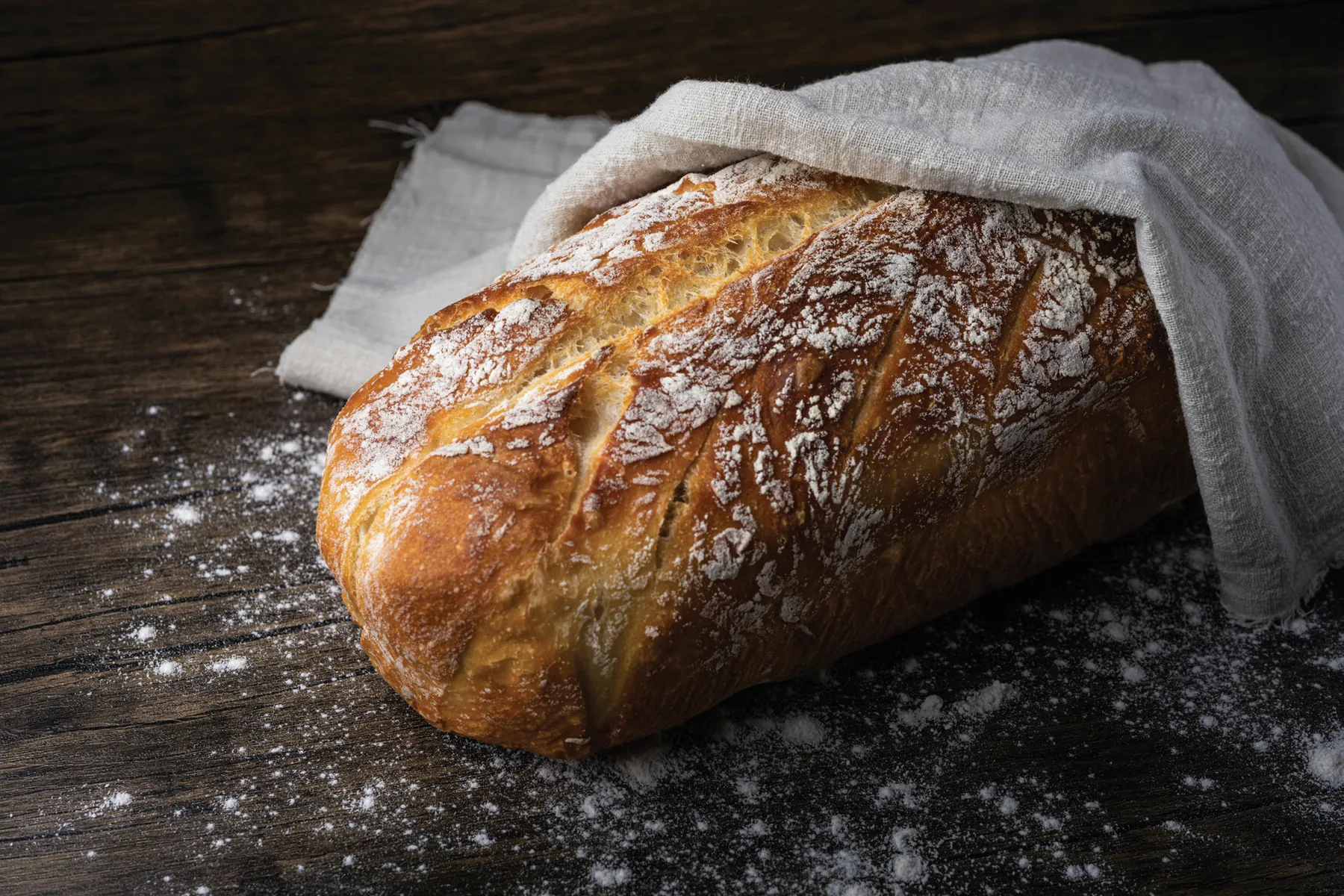
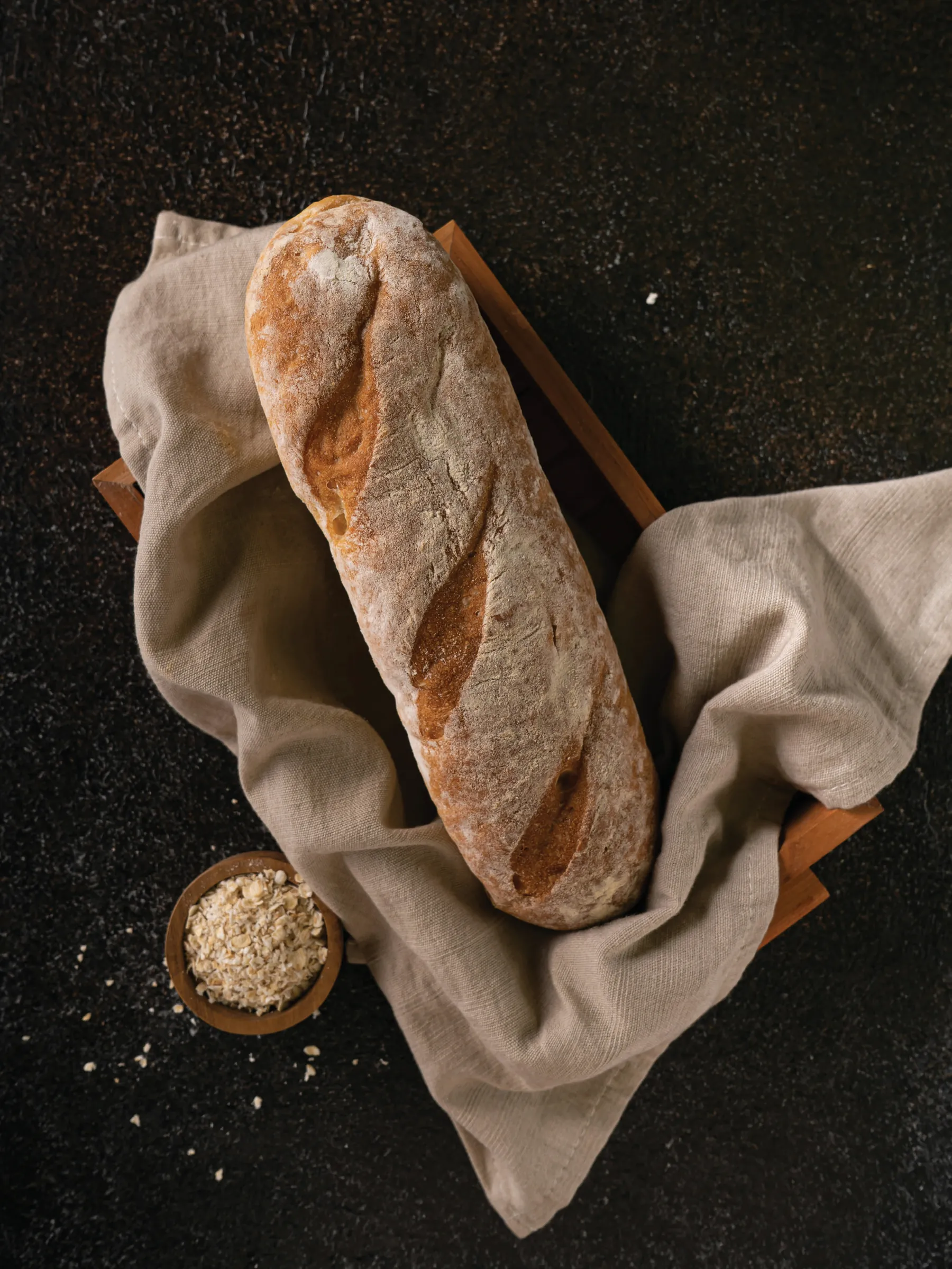
Despite the centuries-old traditions of Georgian bread that remain relevant in everyday life, Tbilisi also delights locals and visitors with modern culinary experiences. Alongside many varieties of traditional “shoti” baked in “tone” ovens, the city offers a wide selection of European-style bread. Bakeries such as “Entrée” and “Breton,” along with various small artisanal bakeries, introduce French and contemporary bread varieties to the Georgian market. In this way, the spirit of traditional Georgian bread blends harmoniously with modern baking trends, once again proving that bread in Georgia is not just food, but a living and delicious expression of cultural heritage.