Lado Gudiashvili
The Incomparable Master of Georgian Painting
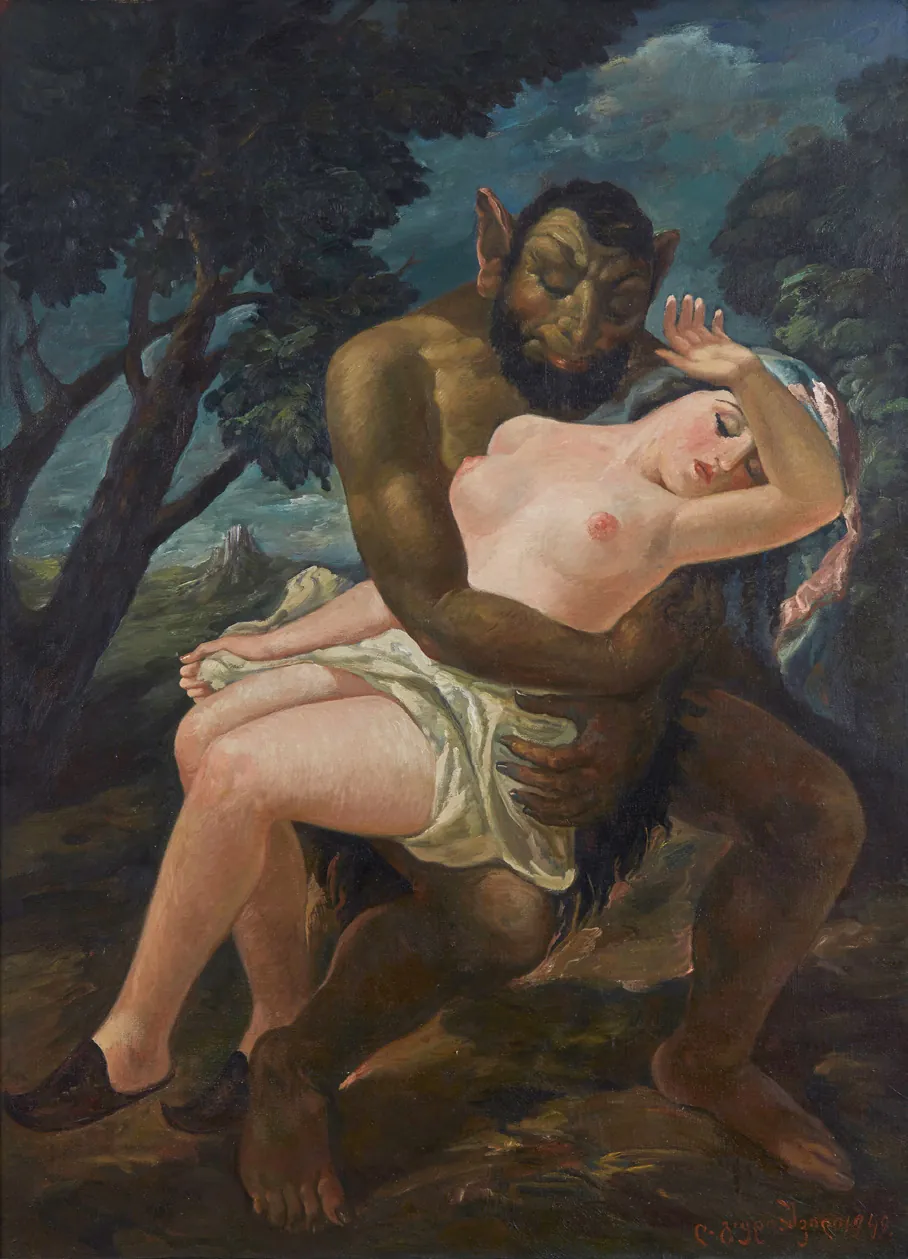
Some names have transcended time in Georgian art, acting as bridges between eras. Lado Gudiashvili is one of those rare artists who masterfully fused national identity with European modernism, adding a new dimension to Georgian art. Gudiashvili was not merely a painter—he was a spiritual interpreter who, with his brush, transformed the Georgian spirit and mystical world into an unforgettable experience for the viewer.
Recognized as one of the leading figures in 20th-century Georgian art, Gudiashvili also gained international acclaim, and his works continue to inspire generations of artists.
Lado Gudiashvili was born in Tbilisi on March 30, 1896 (March 18, Old Style). From childhood, he displayed exceptional artistic talent, which led him to enroll at the Tbilisi Art School, where he graduated in 1914. It was here that he received his first professional education.
The year 1916 was particularly significant for Gudiashvili, as it was then that he met Niko Pirosmanashvili, an encounter that would leave a profound impact on his artistic journey.
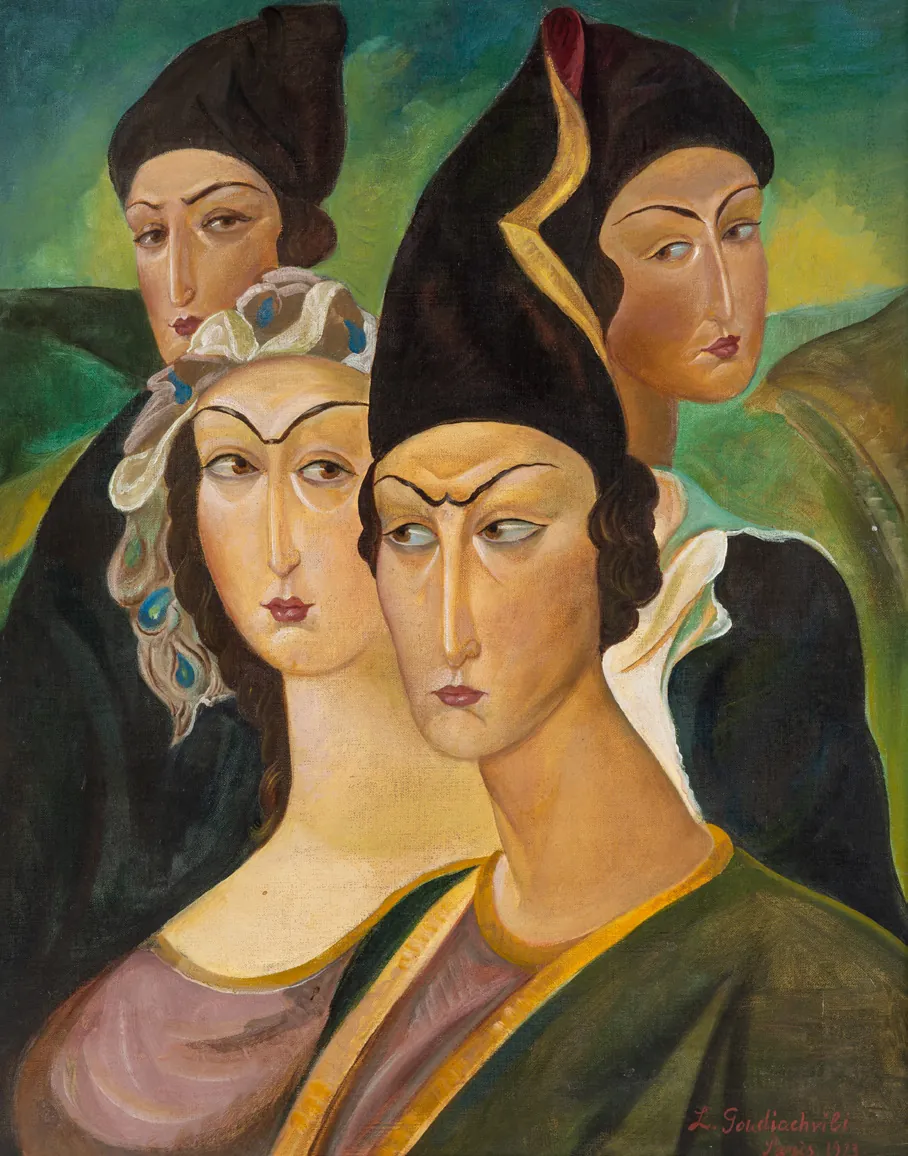
Later, Gudiashvili traveled to Paris with fellow Georgian artists, where he studied at the Paul Ranson Academy. During his time in Paris, he befriended renowned artists such as Pablo Picasso and Amedeo Modigliani.
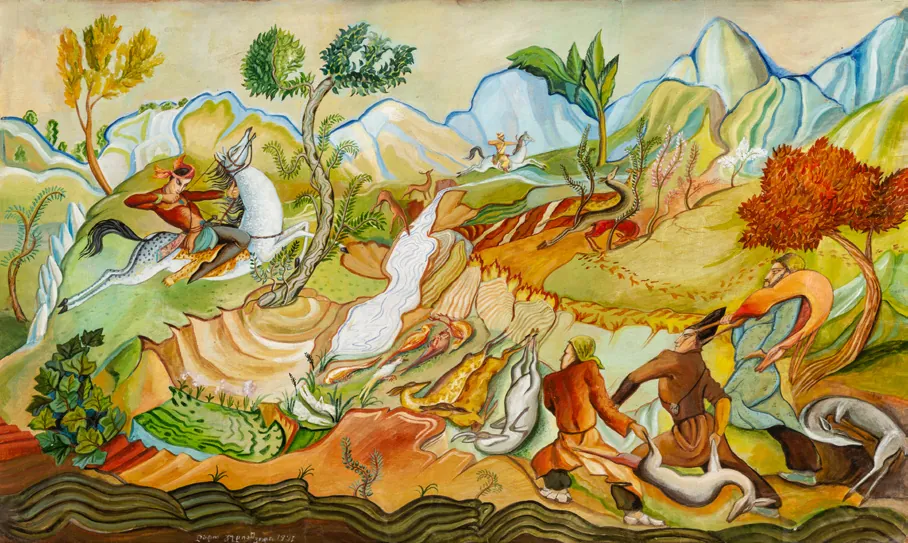
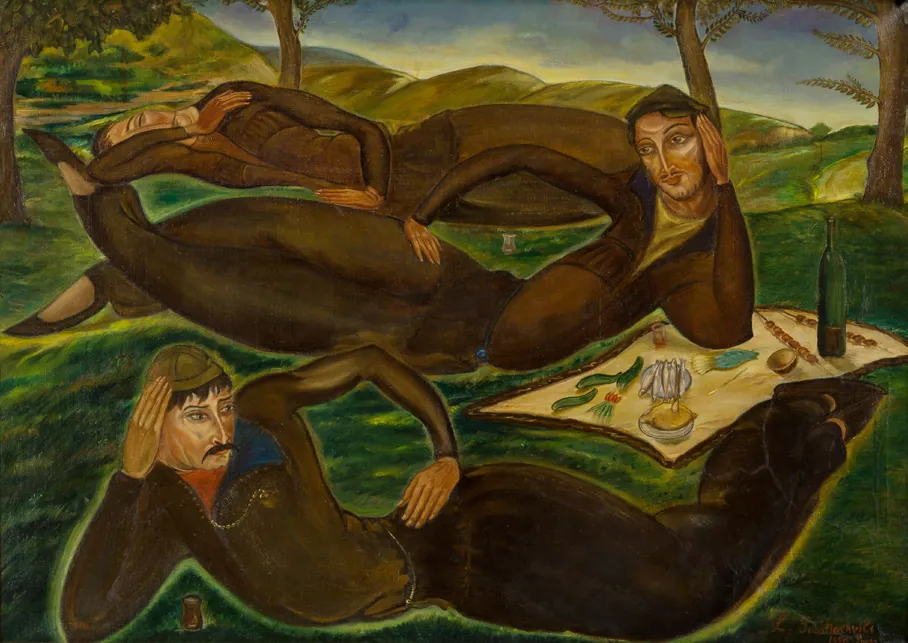
This period marked a dramatic evolution in his artistic style. His works became rich in symbolism, lyrical expression, and a vivid color palette, yet he remained deeply connected to his Georgian roots. He frequently depicted Georgian themes, which helped establish his reputation on the international art scene.
While in Paris, Gudiashvili participated in the “Autumn Salon Exhibition,” where he showcased four of his works: “Feast”, “Feast at Dawn”, “Idyll”, “Kinto’s Banquet with a Woman”.
Each of these pieces fascinated Parisians, earning him wide acclaim. His works were later acquired by Madrid’s Prado Museum, galleries in Paris, and private collectors across Europe and America.
In 1925, at the age of 29, Gudiashvili married French writer Jeanne Joffre.
Soon after, Gudiashvili returned to Georgia, where he became actively involved in both artistic and public life. His marriage with Jeanne Joffre ended in divorce, and in 1933, he married Nino Mgeladze.
During this period, his art became more expressive, dramatic, and deeply symbolic. His works encompassed paintings, engravings, illustrations, and monumental frescoes, further solidifying his reputation as a master of Georgian art.
Gudiashvili’s paintings often explored Georgian mythol-
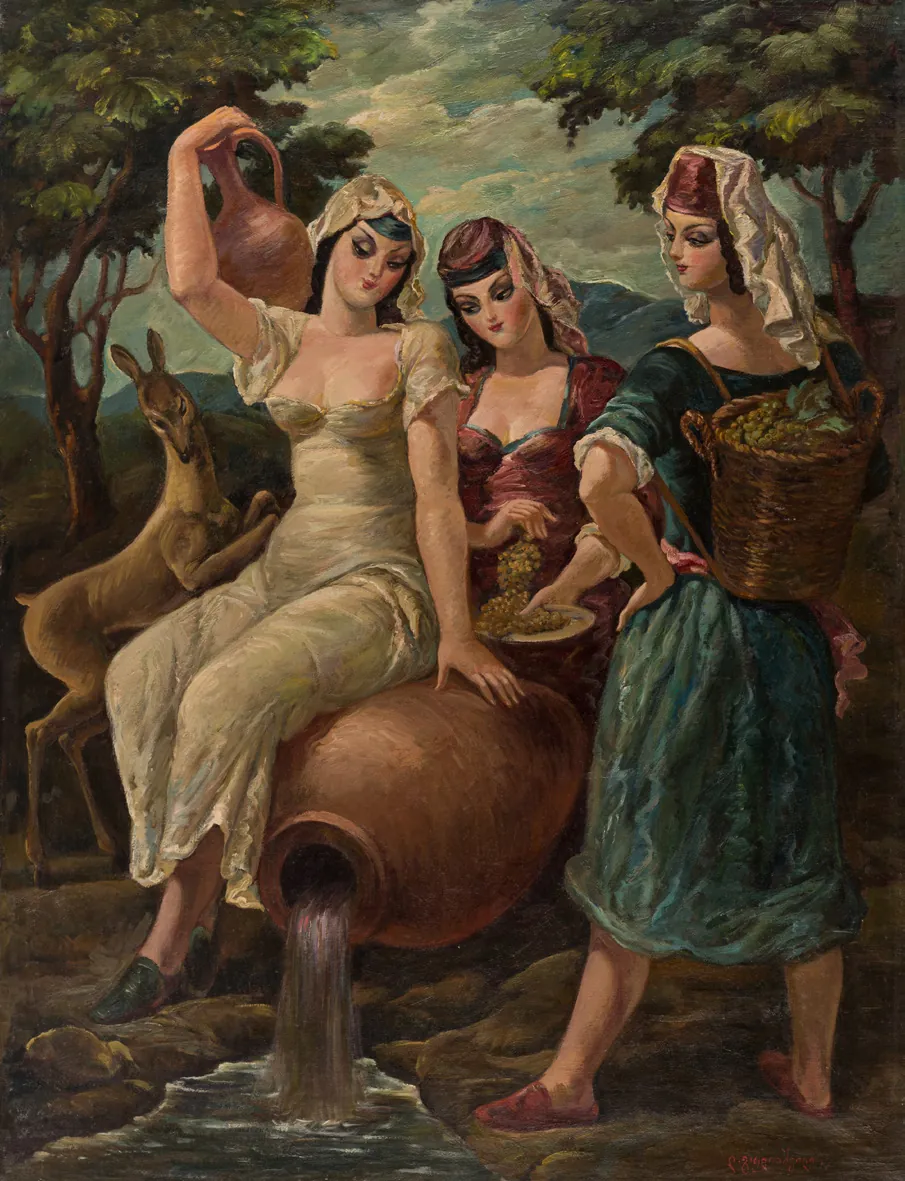
ogy, religious themes, fantastical creatures, and folk life. His work is distinguished by strong national motifs, which present Georgian culture in a deeply original and evocative manner.
His frescoes hold particular significance. In 1946, he painted the walls of Kashveti Church in Tbilisi, a project that led to his expulsion from the Communist Party and his dismissal from the Tbilisi Academy of Arts, where he had been teaching since 1926.
In the altar of Kashveti Church, Gudiashvili depicted the Virgin Mary with the Child and the Communion of the Apostles, set against the unifying background of the Garden of Eden. On the adjacent walls, he painted the Archangel Gabriel and the Virgin Mary in the Annunciation scene.
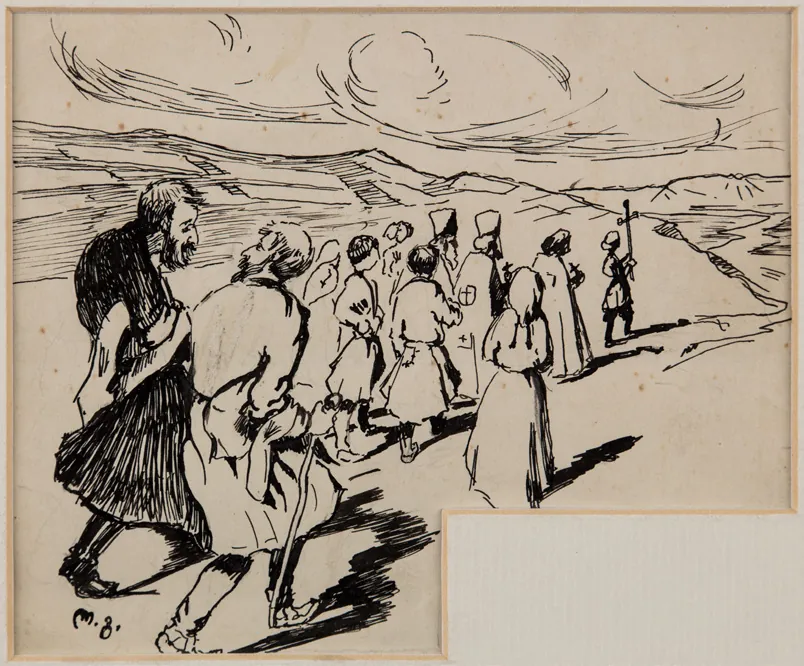
A significant part of Gudiashvili’s legacy lies in his work as a book illustrator and theater artist. Among his most famous illustrated works are “The Knight in the Panther’s Skin”, “The Book of Wisdom and Lies”, and “Balavariani”.
His set and costume designs for the theater were equally remarkable, bringing his visionary artistry to life on stage.
Lado Gudiashvili was not only an extraordinary painter but also a true ambassador of Georgian culture. His works remain housed in museums and private collections worldwide, continuing to inspire both Georgian and international artists.
In honor of his contributions, Lado Gudiashvili Square was named after him in Tbilisi, ensuring that his artistic spirit lives on in the heart of his homeland.
His masterpieces remain a testament to his genius, a bridge between tradition and modernism, and a source of enduring inspiration for those seeking the essence of Georgian art.