Peradze Winery
For many people, discovering wine becomes something deeply personal. What was the main inspiration that led you to begin the story of Peradze Winery?
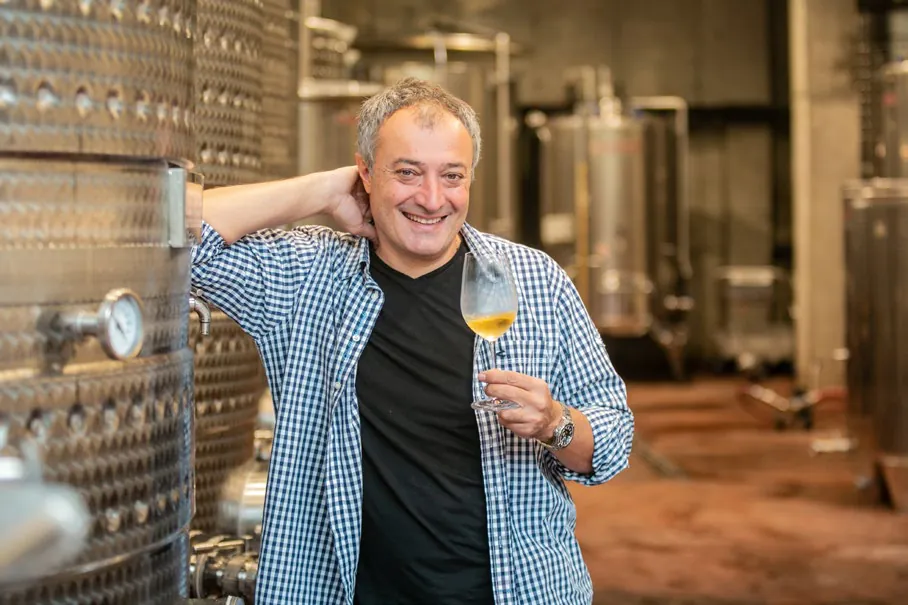
In the early 1990s, I graduated from the Faculty of Biochemistry, specializing in winemaking. I worked in Kakheti, and I was genuinely passionate about what I was doing. Alongside my work, I participated in international projects, one of which gave me the opportunity to spend several months in Italy, gaining practical experience in winemaking and further developing my professional skills. Later, I stepped away from the field for a time and continued my career in telecommunications, working for leading global companies such as Motorola and Nokia. Then, one autumn, a friend gave me 300 kilograms of grapes from a limited harvest. With no commercial intentions whatsoever, I pressed the grapes and made wine at my country house. Sommeliers later tasted the wine, evaluated it, and liked it enough to suggest entering it in a wine competition in Nice, France. The wine received very positive reviews and encouraging feedback at the competition. That experience inspired me to return to winemaking and ultimately led to the creation of Peradze Winery.
Today, Peradze Winery is a modern facility equipped with the latest technology and its own laboratory. Tell us about this development.
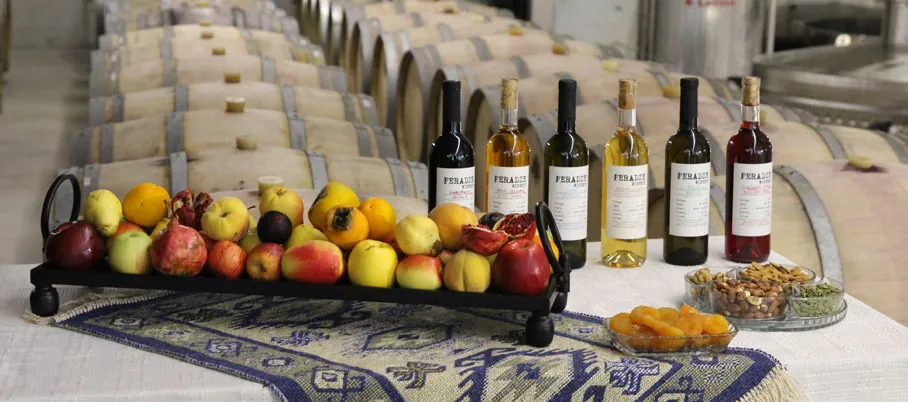
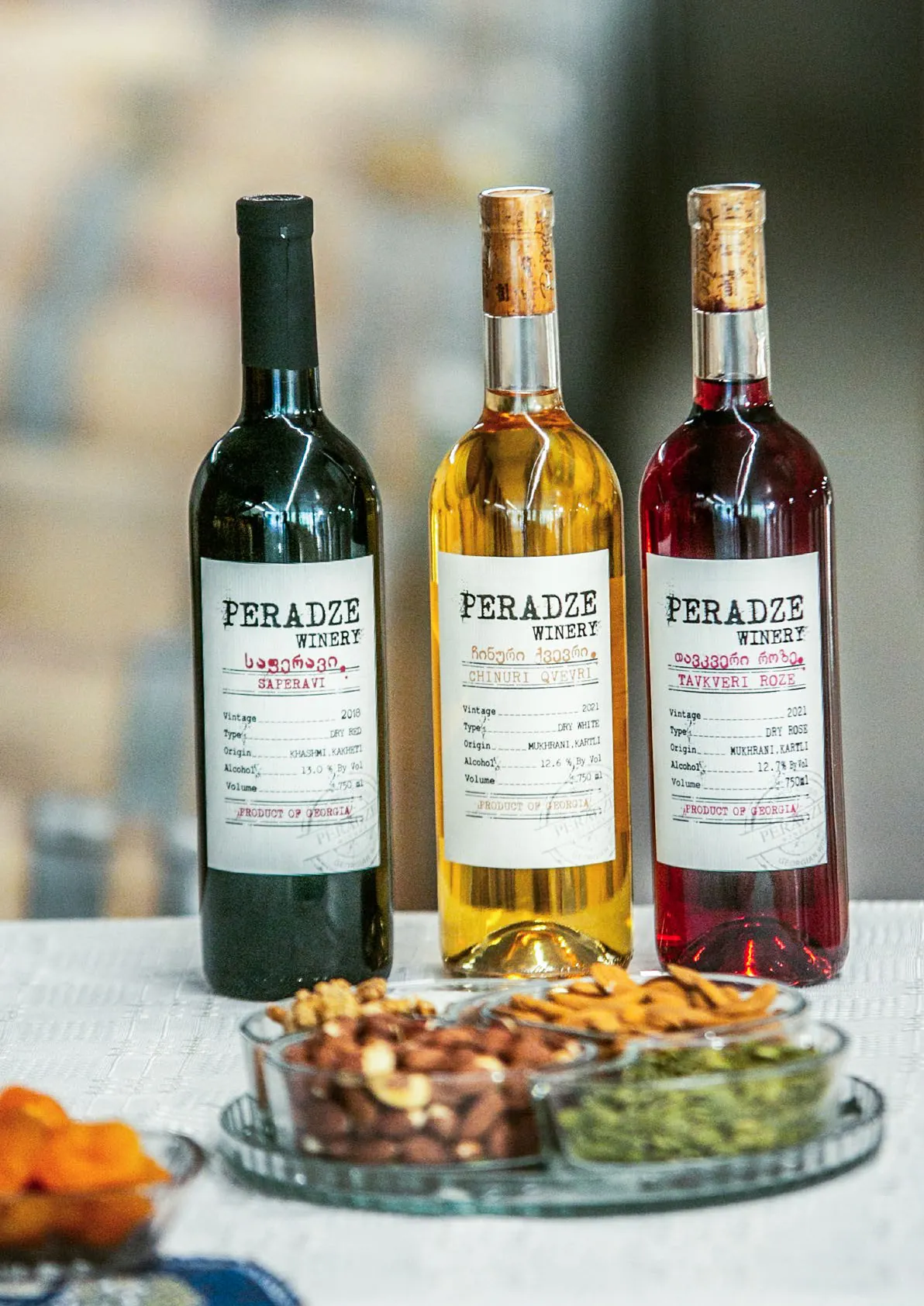
Our winery has developed gradually over the years. It is a medium-sized operation, but we have invested in the latest technology because this has always been a priority for us. Managing the different stages of winemaking effectively would be impossible without a laboratory. We carry out various analyses every day and experiment frequently, which gives us invaluable experience in our work. Today, our portfolio comprises 43 wines made from grape varieties originating in Kakheti, Kartli, Imereti, and Racha. We produce classical European-style wines as well as traditional qvevri wines. I would also highlight one of our more recent successful projects: producing wine using the French batonnage method, which involves aging the wine on its own lees. Our annual production capacity is 100,000 bottles. Our wines are distributed across Europe, the United States, and countries of the former CIS. In Georgia, they can be found in almost all high-end restaurants, five-star hotels, wine bars, and wine shops.
What is the greatest lesson that grapes, vineyards, the winemaking process, and the people you have met along the way have taught you?
I believe the key to success in any field is loving what you do. I have 25 years of experience in winemaking, and I have learned firsthand that doing something you truly love gives you courage, confidence, faith, and enormous strength. While creating Peradze Winery, I encountered many challenges and difficulties. Yet my love for this work helped me overcome obstacles that, at first, seemed impossible to surmount. What I do has become an important part of my own life experience. As I grew closer to wine, I came to realize that wine connects people. It has played an extraordinary role in our lives, our history, and our development.
Your wines are made from grapes from Kakheti, Kartli, Racha, and Imereti. Why did you choose to bring together these regions, and what makes each one distinctive in taste?
It is very difficult for me to single out any particular wine or grapes from one region, because every part of Geor- gia has its own unique flavors and character. Personally, I am very fond of traditional Kakhetian wines made in the way we associate with qvevri winemaking. I believe Imeretian grape varieties have great potential for European-style wines. We have also achieved excellent results with Kartli varieties using lees-aging methods.
The new winery hosts wine-tasting tours as well as corporate events and other celebrations. Tell us about these experiences. What would you like guests to take away from their time with you?
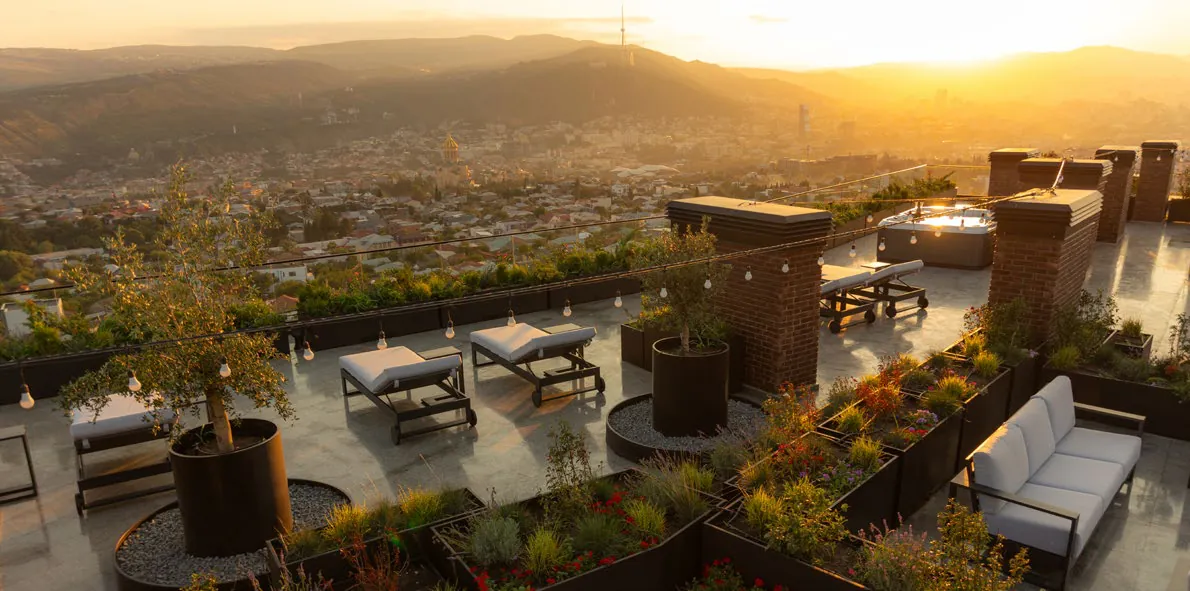
Our winery is located in the Armazi Valley, four kilometers from Mtskheta. Given the historic setting, wine-tasting tours, corporate gatherings, and celebrations are among our priority areas. With this in mind, we created a dedicated tasting space where guests can relax, enjoy the surrounding nature and views, and explore the flavors of wines from all of Georgia’s wine-producing regions in one place. Wine-tasting tours can be booked through our website, Peradzewinery.com. Corporate events are a newer direction for us, and we are only taking our first steps in this area. I hope we will have the opportunity to host many interesting events in the future.
Your wines have already received several awards. Which has been the most meaningful or emotional for you personally?
We regularly participate in international competitions, and I am proud that the wines we enter consistently return with medals. We received our most recent awards two months ago at Wine Expo, one of Georgia’s wellknown wine competitions, which has been held for 20 years. Both wines we submitted to the competition returned with medals: a classical European-style wine made from Krakhuna and a Chinuri made using the batonnage method and aged on its lees.
What comes next for Peradze Winery?
Stability, maintaining quality, discovering new grape varieties, continuing to build our knowledge, developing professionally, experimenting, and contributing to greater recognition of Georgian wine around the world. These are the goals that define my vision for Peradze Winery today.