Longevity – a Trend or the Future of Medicine
Over the past few years, the word longevity has become increasingly prominent – at medical congresses, in scientific publications, across the technology industry, and in everyday conversations. At first glance, it may seem like just another fashionable trend. Yet the true concept of longevity medicine is far more compelling: its goal is not simply to add years to life, but to extend the number of years we live in good health.
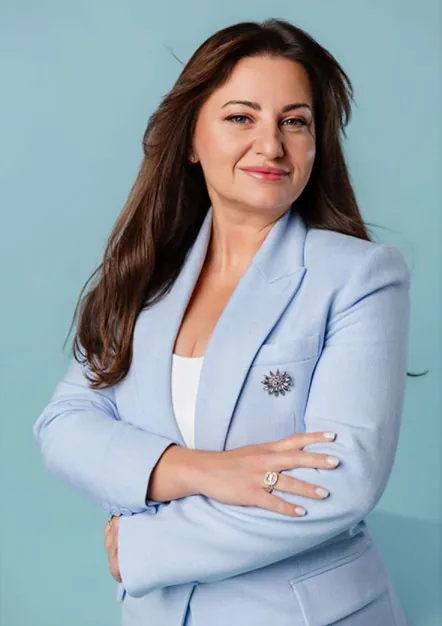
What does longevity medicine mean in practice? How much influence can modern medicine really have on the ageing process? And where is the line between science and overpromising? We discuss these questions with Dr. Nino Gaphrindashvili – ophthalmologist, aesthetic physician and laser surgeon, Founder and Chief Doctor of FEMINA Clinic, member of the American Academy of Aesthetic Medicine (AAAM), and International Trainer for Galderma.
– Let’s start with the most fundamental question: what exactly is longevity medicine?
– To me, longevity medicine is a modern evolution of preventive and personalised medicine. Its purpose is not immortality, nor is it about stopping ageing altogether. The real question is: how can we help people remain healthy, functional, energetic and independent for as long as possible?
Two concepts are particularly important here – lifespan and healthspan. Lifespan refers to how long we live; healthspan refers to how many of those years we spend in good health. One of the central goals of longevity medicine is to narrow the gap between the two.
– So is longevity more about preventing disease than actually stopping the ageing process?
– At present, yes. But the approach goes beyond conventional prevention. Traditionally, medicine often intervenes once a disease has already developed. Longevity medicine aims to identify risks much earlier.
Rather than waiting for diabetes to develop, we can assess metabolic health beforehand. Rather than waiting for a fracture, we can evaluate bone density and muscle mass in advance. And the first sign of cardiovascular disease should not have to be a heart attack.
In many ways, this represents a shift in the philosophy of medicine – from reactive to proactive care.
– What do we need to know about our bodies for this approach to work effectively?
– A single blood test or one “longevity test” is not enough. What matters is having a comprehensive picture of an individual’s health – body composition, visceral fat, muscle and bone mass, blood pressure, lipid and glucose metabolism, cardiorespiratory fitness, physical strength, sleep, nutrition and daily activity.
Age, sex, genetics, family history, menopause and other hormonal changes also need to be considered. This is why I see longevity not as a single procedure or medication, but as a long-term, data-driven health strategy.
– We hear a great deal about “biological age”. How meaningful is this concept?
– Two people of exactly the same chronological age can have very different levels of health and physiological reserve.
The concept of biological age attempts to describe this difference. Today, we have various algorithms, epigenetic clocks and combinations of biomarkers, but there is still no single universal test that can tell us precisely: “Your body is exactly this many years old.”
– What is the most powerful “anti-ageing” intervention we have today?
– Probably the least exotic answer: movement.
Physical activity – particularly a combination of resistance and aerobic exercise – maintaining muscle mass, healthy nutrition, metabolic health, good-quality sleep and avoiding tobacco remain fundamental to living a longer and healthier life.
Muscle is particularly important. With age, the loss of muscle mass and strength affects metabolism, bone health, mobility and independence. This is why muscle health is becoming increasingly central to longevity medicine.
– Where do modern medications, such as GLP-1-based therapies, fit into this picture?
– GLP-1-based therapies have significantly changed the management of obesity and type 2 diabetes, and we also have evidence of cardiovascular risk reduction in certain groups of patients.
But in the context of longevity, simply weighing less is not
the goal. Preserving muscle mass is essential, alongside adequate nutrition, sufficient protein intake and resistance training. Otherwise, a person may become lighter on the scale without necessarily becoming healthier or more functional.
– Does longevity medicine require a different approach for women?
– Absolutely. During perimenopause and menopause, significant changes occur in body composition, bone metabolism, muscle mass, sleep, lipid profiles and cardiovascular risk.
A longevity programme for women therefore cannot simply be an adaptation of a model designed for men. I believe women’s health will become one of the most important areas within longevity medicine, particularly through an integrated approach to menopause, metabolic health, and the preservation of muscle and bone.
– How much will artificial intelligence and wearable technologies change this field?
– Significantly. We can already continuously collect information about heart rate, sleep and physical activity. In the future, these data will increasingly be integrated with laboratory, genetic and clinical information.
The real value of AI may lie in identifying meaningful patterns within enormous volumes of data – changes that might otherwise be missed. Technology, however, should not replace the physician. It should help physicians build a more complete picture and make care increasingly personalised.
– And what about regenerative medicine? Could we eventually move beyond treating damaged tissues towards genuinely rejuvenating them?
– This is one of the most exciting future directions in longevity medicine. Cell-based therapies, tissue regeneration and the biology of cellular senescence are all rapidly developing fields of research.
At the same time, it is essential to distinguish science from marketing. Not everything currently described as “regenerative” or “anti-ageing” is supported by the same level of evidence. Nevertheless, this is an area where we may see some of the most significant advances over the coming decades – provided that their translation into clinical practice remains guided by evidence and safety.
– Ultimately, is longevity a trend or the future of medicine?
– Rapidly growing fields inevitably attract marketing and, at times, exaggerated promises. But once we look beyond the noise, the fundamental idea behind longevity is remarkably logical: detect disease earlier, assess individual risk, protect metabolic and cardiovascular health, preserve muscle and bone, and use modern technology to help people remain healthy for longer.
For that reason, I do not see longevity as merely a trend. Medicine is gradually moving from treating disease towards actively managing and preserving health.
Extending the maximum human lifespan remains one of science’s most complex challenges. But extending the years we live in good health is a far more achievable goal – and an important part of that opportunity is already within our reach today.