Georgia’s Extraordinary Places – Canyons, Dmanisi and Caves
Georgia is known for its diverse natural landscapes and unique historical monuments. Within its relatively small territory are canyons, caves, dramatic cliffs, waterfalls and ancient settlements. Some are wonders shaped by nature, others reveal stories from the country’s distant past. Among these remarkable places are the canyons of Martvili, Okatse and Dashbashi, the archaeological site of Dmanisi and Georgia’s fascinating caves.
Georgia’s canyons are known for their dramatic cliffs, rivers and striking natural scenery. Among the best known are Martvili and Okatse, as well as Dashbashi Canyon, where the natural landscape is now combined with modern visitor infrastructure.
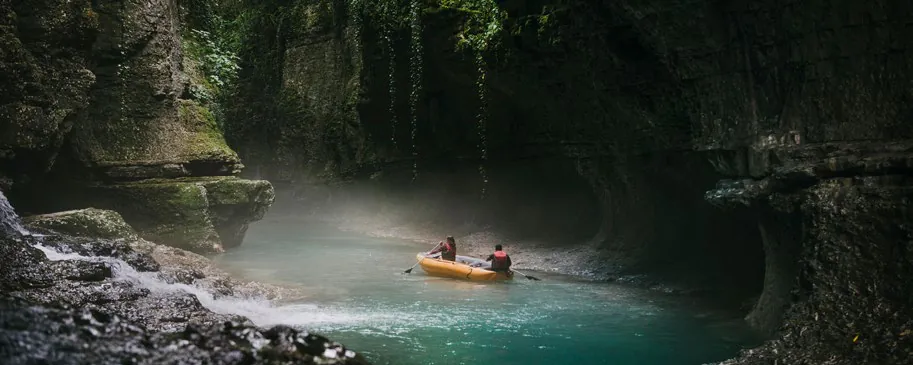
Martvili Canyon, in Samegrelo, lies along the Abasha River. Its cliffs, waterfalls, and clear turquoise water create one of western Georgia’s most distinctive landscapes. The canyon is especially beautiful in spring and summer, when the gorge is surrounded by lush greenery. One of the highlights of a visit is a boat trip along the river, offering a different perspective on the canyon and its rock formations.
Today, Martvili Canyon is one of Georgia’s most popular natural attractions. Its clear water, towering cliffs, and beautiful scenery make it one of the country’s most memorable places to explore.
Okatse Canyon lies in the Imereti region, in Khoni Municipality, near the village of Gordi. It is known for its deep gorge, steep cliffs, dense forests, and the landscape carved by the Okatse River. One of its most distinctive features is the suspended walkway built along the rocky side of the canyon. Another highlight is the viewing platform, which offers sweeping views across the canyon.
Okatse Canyon has become an important destination for visitors to Georgia and an excellent place to experience the natural beauty of this part of the country.
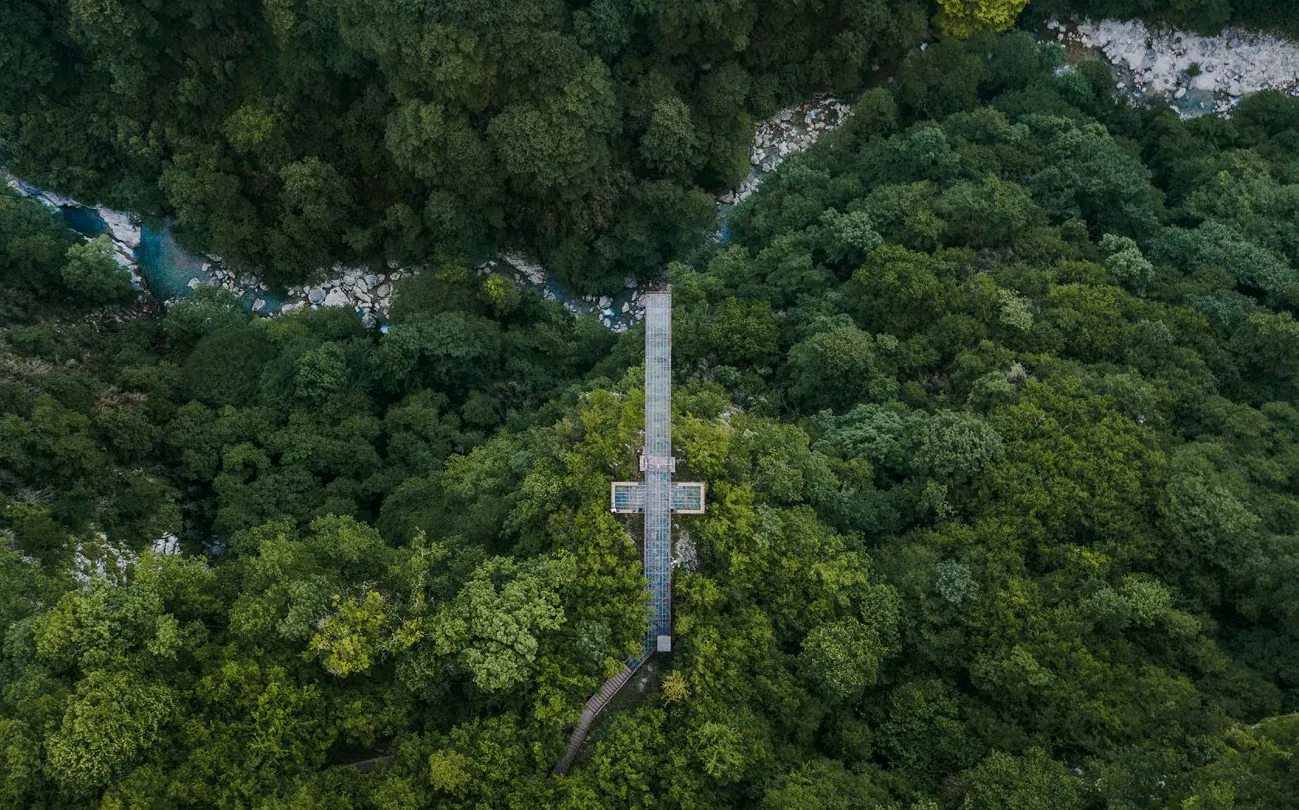
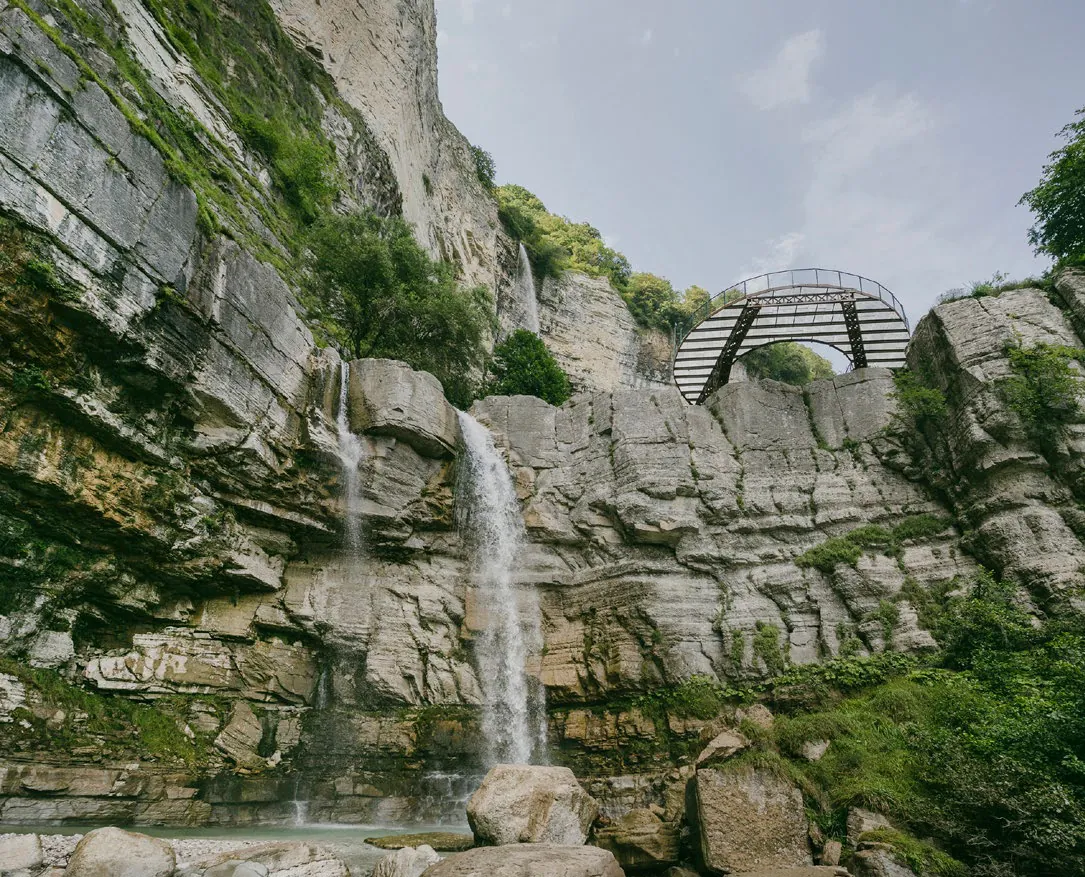
Dashbashi Canyon is another of Georgia’s outstanding natural monuments. Located in Tsalka Municipality, in the Ktsia River gorge, it is characterized by high vertical cliffs, waterfalls, and a landscape carved by the river over centuries. Its most striking modern attraction is a 240-meter glass-and-steel suspension bridge stretching across the canyon. From the bridge, visitors can take in impressive views of the gorge and the surrounding landscape. A trail descending into the canyon leads to waterfalls and natural rock formations below.
Dashbashi Canyon is now considered one of Georgia’s most distinctive natural attractions.
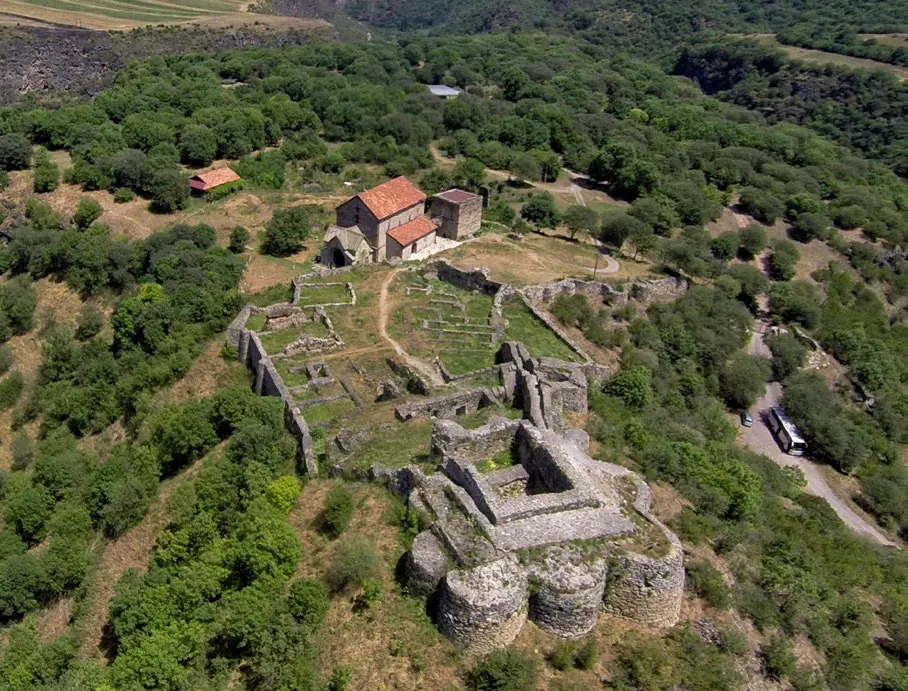
Dmanisi is one of Georgia’s most important historical and archaeological sites. Located in Kvemo Kartli, above the confluence of the Mashavera and Pinezauri rivers, Dmanisi is known both as an important medieval city and as the site of some of the world’s most significant discoveries relating to early humans. At the heart of the site are the remains of the medieval city of Dmanisi, where archaeological excavations have revealed defensive structures, streets and traces of buildings that once served different purposes.
A particularly important monument is Dmanisi Sioni, the medieval Georgian cathedral within the archaeological site. An important example of Georgian architecture, the cathedral stands amid a landscape rich in historic structures and inscriptions.
Dmanisi is best known internationally, however, for the discovery of ancient human remains. The remains of the city’s old defensive system, tunnels and other structures are also of considerable interest, revealing just how strategically important Dmanisi once was.
What makes Dmanisi exceptional is the way two very different chapters of history meet in one place: Georgia’s medieval past and the much earlier story of humankind. The ruins of the city, Dmanisi Sioni, and the archaeological discoveries made here place the site among Georgia’s most important historical landmarks.
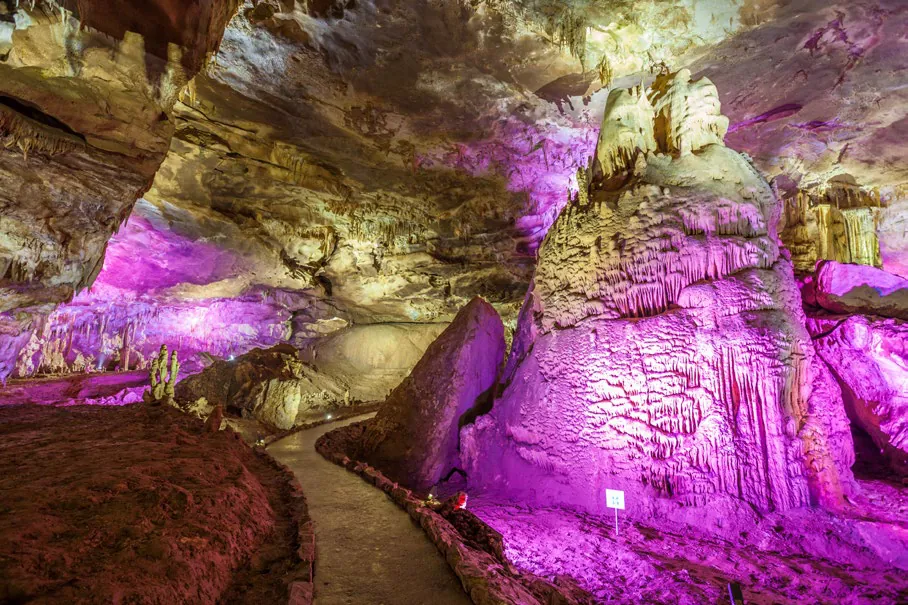
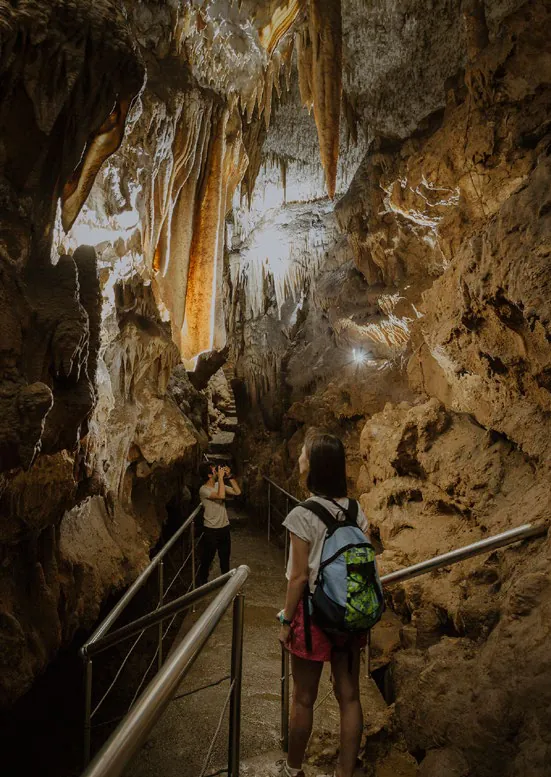
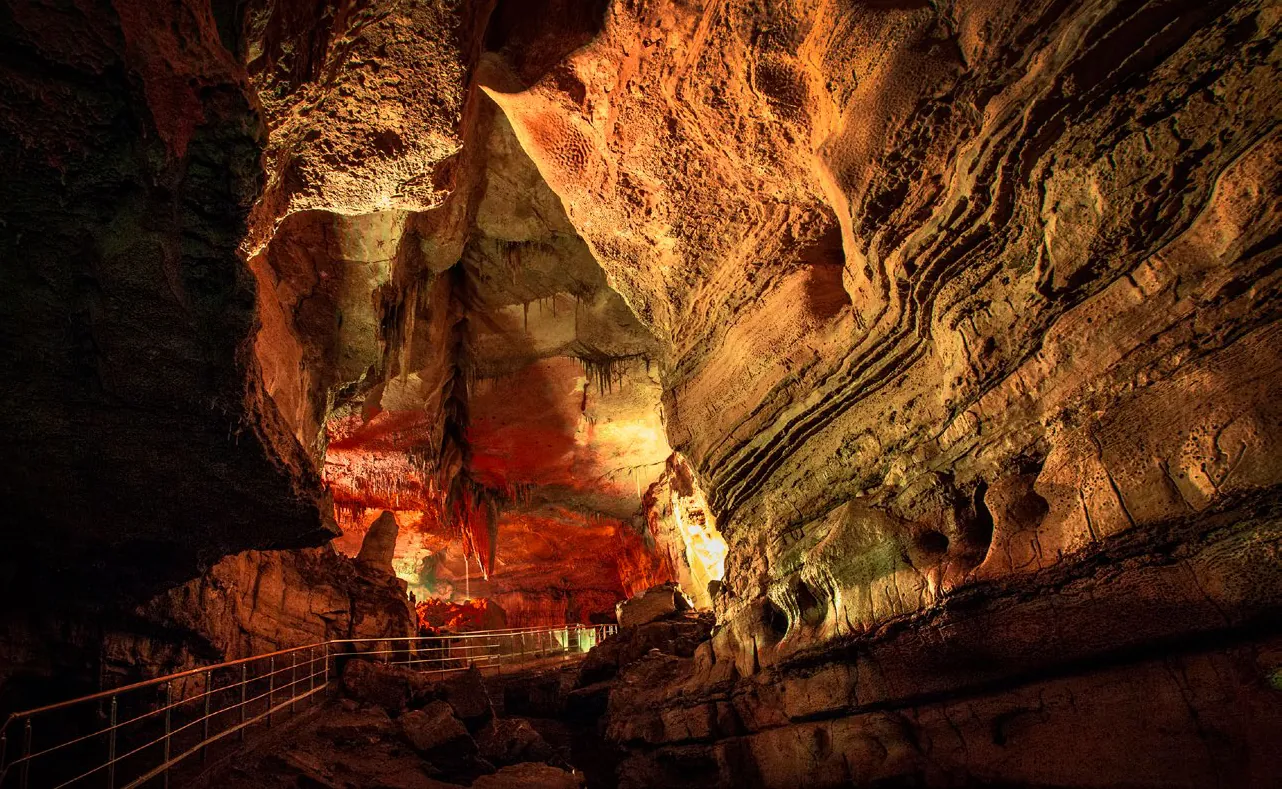
Georgia is also rich in caves, which form a fascinating part of the country’s natural heritage. Prometheus Cave, near the village of Kumistavi in Tskaltubo Municipality, is known for its vast underground chambers and remarkable natural formations. Visitor trails lead through the cave, allowing travelers to explore a spectacular landscape hidden beneath the surface.
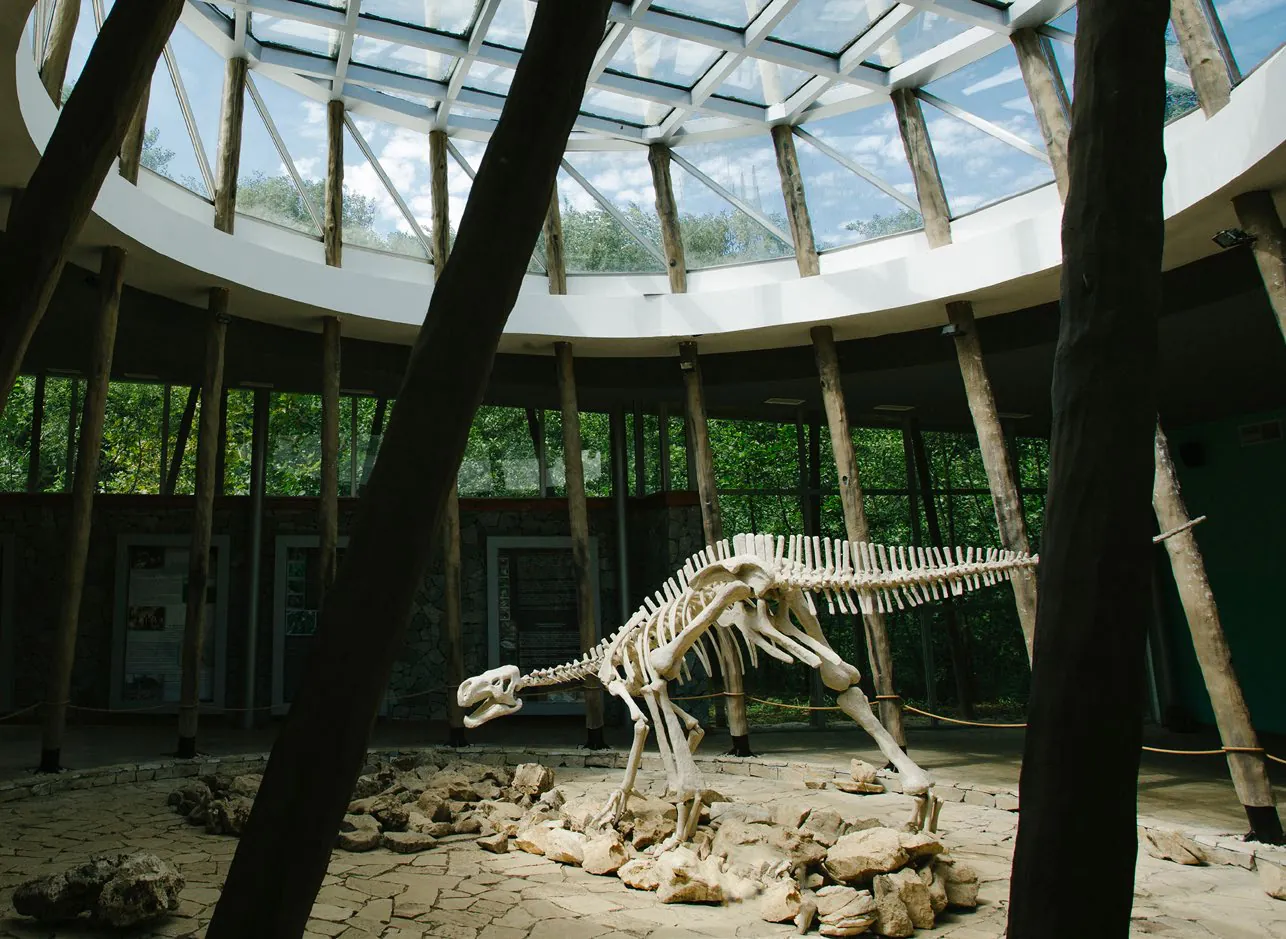
Sataplia, near Kutaisi, combines another cave experience with something quite different: fossilized dinosaur footprints, adding an extraordinary prehistoric dimension to the area’s natural attractions.
Other notable sites include Navenakhevi Cave and the Tsutskhvati Cave Complex. Tsutskhvati is particularly important from an archaeological perspective, with evidence of human activity from different periods discovered within its caves.
Georgia’s caves are a remarkable meeting point of nature and history. Their continued study and protection are important not only for scientific research, but also for tourism and for a deeper understanding of the country’s natural and cultural heritage. Preserving them will allow future generations to explore, understand, and appreciate this extraordinary underground world for themselves.