Rome
Everything seems to have been written about Rome, and it often feels as though every stone has already been explored. Yet there are two Romes: one of postcards, crowded tour buses, and souvenir shops, and another an elegant, authentic, and hidden city that reveals itself only to those who respect its rhythm.
Today, the distance between these two worlds is shorter than ever. A direct Georgian Airways flight from Tbilisi brings you to the Eternal City in just a few hours. To truly appreciate Rome, however, you need to experience its daily rhythm: the quiet ritual of a morning espresso, the theatrical grandeur of its Baroque squares, and the mystical silence that settles over the Colosseum in the evening.
There are certain places that every visitor to Rome should experience on their very first day. Together, they form the heart of ancient, monumental, and Baroque Rome, where the scale of history leaves a lasting impression.
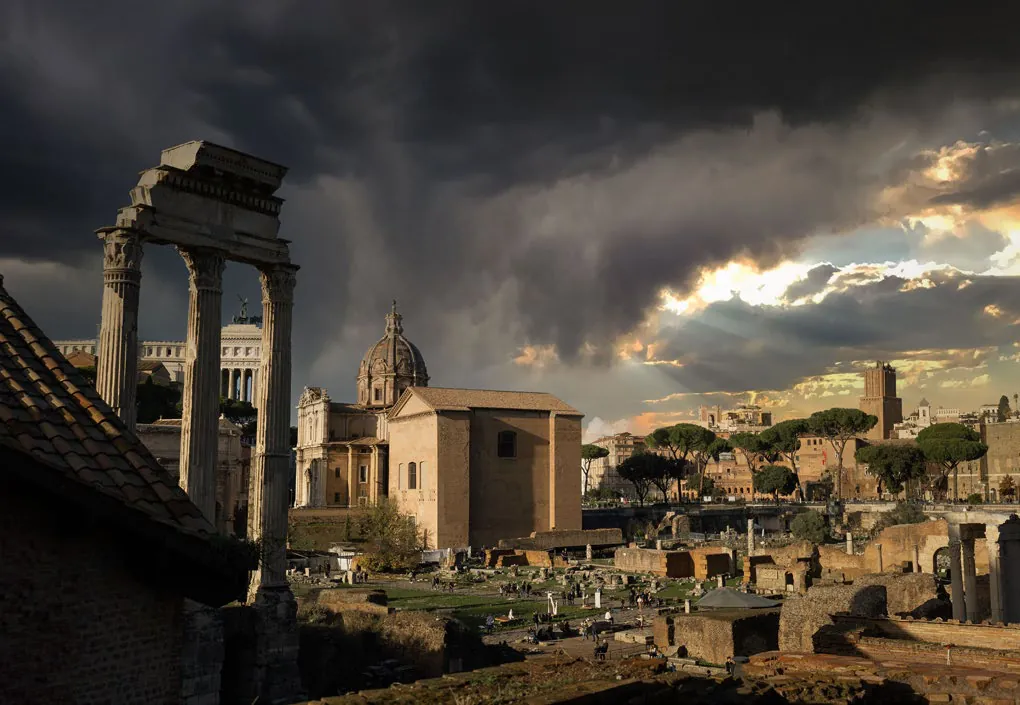
The Ancient Heart: The Colosseum, Roman Forum, and Palatine Hill
The birthplace of the Roman Empire. The magnificent Colosseum, the ruins of the Roman Forum, and Palatine Hill, where Roman emperors once ruled, together form one of the world’s most remarkable archaeological complexes and are essential stops for every visitor.
Piazza Venezia
One of Rome’s principal squares, dominated by the imposing white marble Monument to Victor Emmanuel II, the first king of unified Italy.
Piazza del Campidoglio
Just a short walk from Piazza Venezia, this elegant square was designed by Michelangelo. Its staircases and terraces offer one of the city’s finest panoramic views overlooking the Roman Forum.
The Pantheon
One of the best-preserved monuments of ancient Rome, the Pantheon is famous for its enormous dome and central oculus, through which natural light creates an almost mystical atmosphere inside.
Piazza Navona
One of Rome’s most beautiful Baroque squares, Piazza
Navona is home to Gian Lorenzo Bernini’s masterpiece, the “Fountain of the Four Rivers” (Fontana dei Quattro Fiumi).
Trevi Fountain
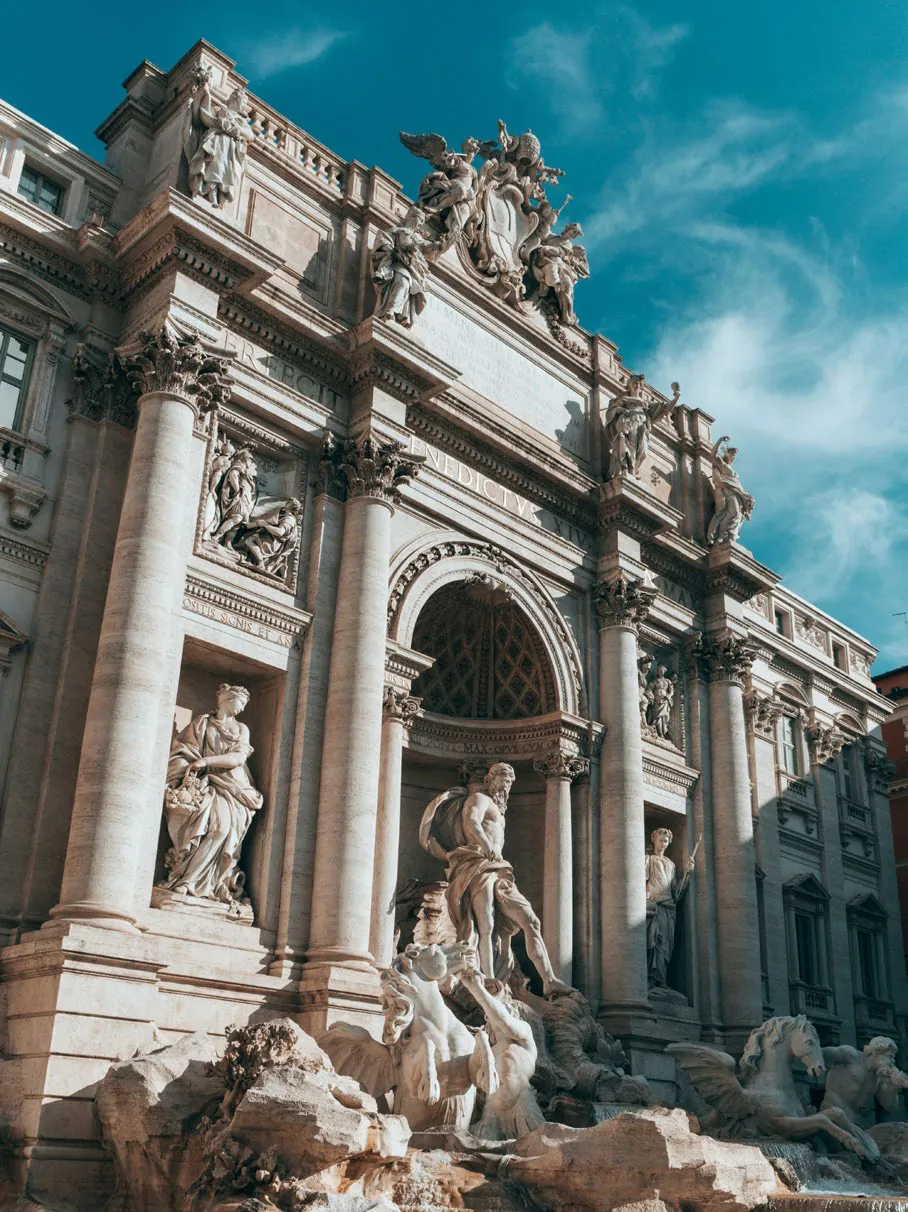
Perhaps the world’s most famous Baroque fountain, Trevi Fountain is built into the facade of Palazzo Poli. Tradition says that tossing a coin over your left shoulder with your right hand while facing away from the fountain will ensure your return to Rome.
Piazza di Spagna and the Spanish Steps
The 135-step Scalinata di Trinita dei Monti has long been a symbol of fashion, art, and cinema. At its base stands Bernini’s elegant “Fontana della Barcaccia”, the Fountain of the Old Boat.
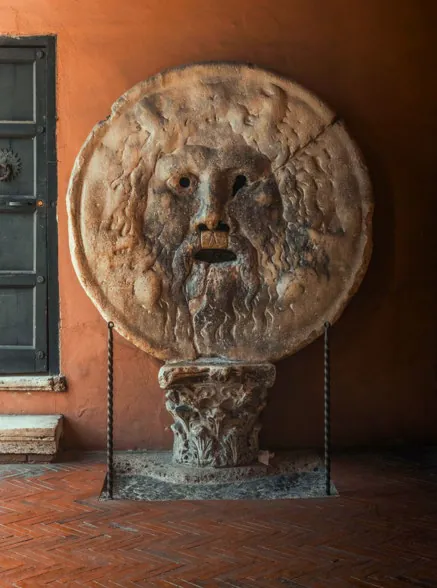
The Mouth of Truth (Bocca della Verita)
Made famous by the film “Roman Holiday”, this legendary marble mask is said to bite the hands of liars. Today, visitors queue to test the legend and capture the iconic photograph.
Piazza del Popolo and Rome’s Churches
Once the northern gateway to ancient Rome, Piazza del Popolo is one of the city’s grandest squares. At its edge stands the Church of Santa Maria del Popolo, where visitors can admire two masterpieces by Caravaggio – “The Crucifixion of Saint Peter” and “The Conversion of Saint Paul”, without purchasing a ticket. Rome’s churches are cultural treasures in their own right, often housing some of the world’s greatest works of art.
Villa Borghese Gardens
The green heart of Rome, Villa Borghese is an expansive English-style landscaped park featuring lakes, classical temples, and the renowned Galleria Borghese.
Castel Sant’Angelo and Ponte Sant’Angelo
Originally built as Emperor Hadrian’s mausoleum, Castel Sant’Angelo later became a papal fortress. It is connected to the city by the beautiful Ponte Sant’Angelo, adorned with Bernini’s magnificent angel sculptures.
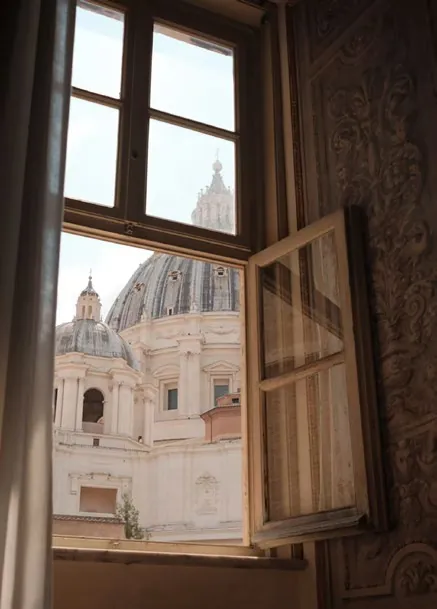
Vatican City
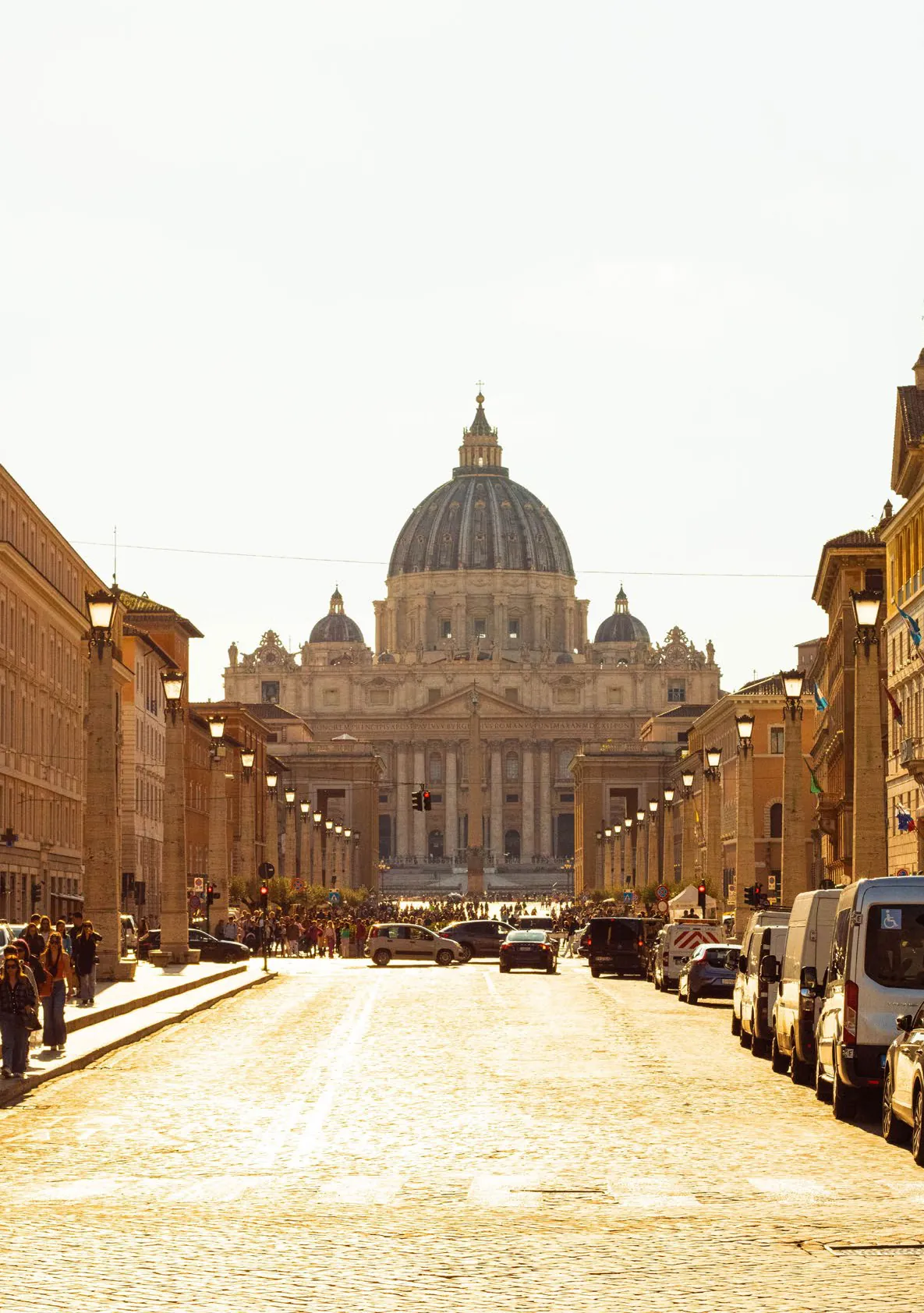
Although an independent state, Vatican City lies within the heart of Rome. St. Peter’s Square, designed by Bernini, leads to St. Peter’s Basilica, the largest church in the world and home to Michelangelo’s extraordinary marble “Pieta”.
Campo de’ Fiori
Meaning “Field of Flowers,” this historic square hosts one of Rome’s liveliest open-air markets during the day. At its center stands the statue of the philosopher Giordano Bruno, who was burned at the stake here by the Inquisition in 1600.
Trastevere
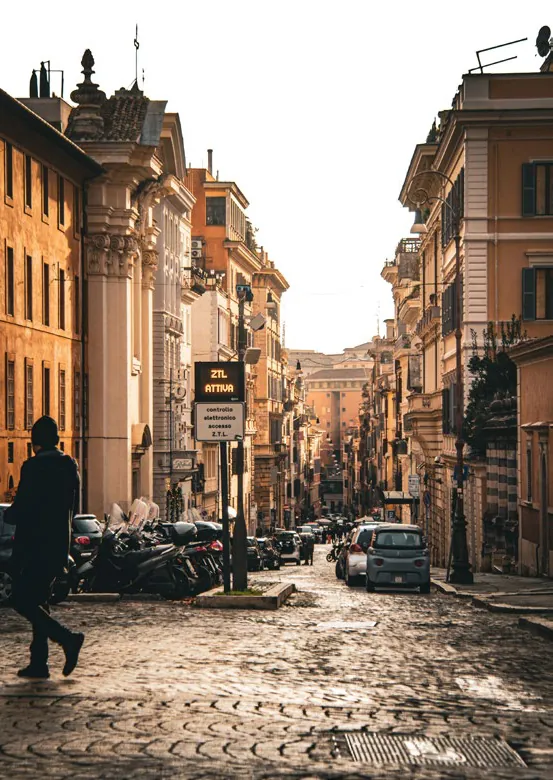
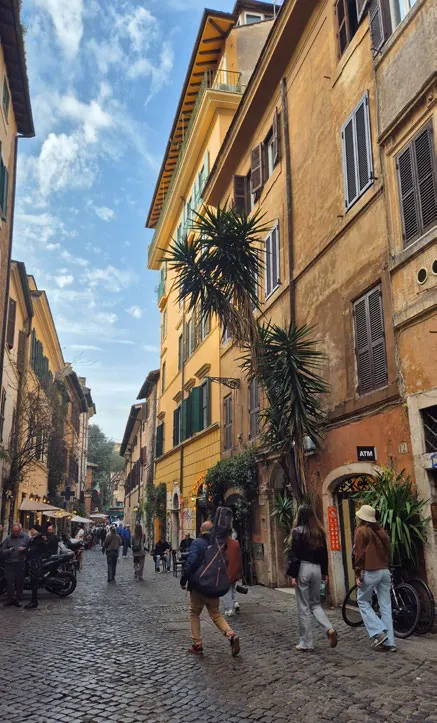
Located across the Tiber River, Trastevere is widely regarded as Rome’s most authentic, colorful, and bohemian neighborhood. Narrow cobblestone streets, ivy-covered buildings, and family-run trattorias capture the timeless spirit of the city.
San Lorenzo
Located near Sapienza University, San Lorenzo is Rome’s alternative student district, known for its vibrant street art, affordable cafes, live music venues, and energetic nightlife.
Aventine Hill
The most elegant and peaceful of Rome’s seven historic hills, Aventine Hill is home to the beautiful Orange Garden (Parco Savello), offering one of the city’s finest viewpoints, as well as the Knights of Malta’s headquarters and its iconic keyhole (Il Buco della Serratura).
The Catacombs of Rome
Located mainly along the ancient Appian Way, the Catacombs of Rome form an extensive network of underground tunnels and burial chambers where early Christians secretly gathered to worship.
Practical Tip
Always purchase tickets for the Colosseum, the Roman Forum, and the Vatican Museums at least two to three weeks in advance through their official websites. Doing so will save you hours of waiting in long queues, especially during the busy summer season.