Fifa World Cup
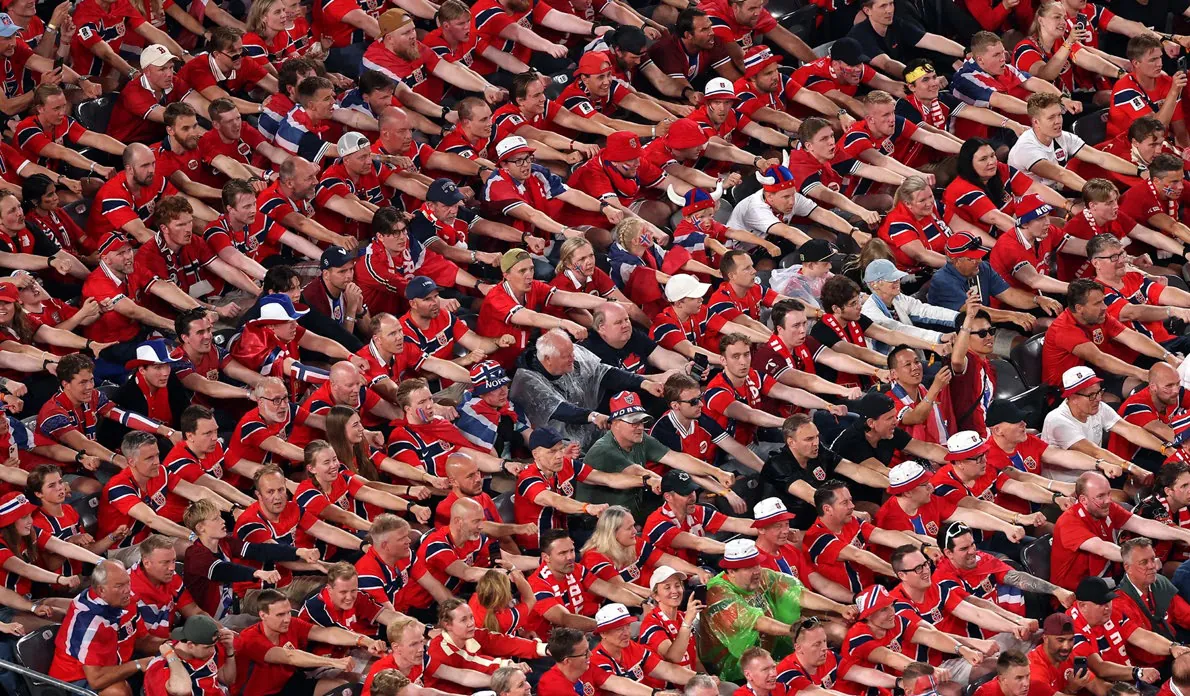
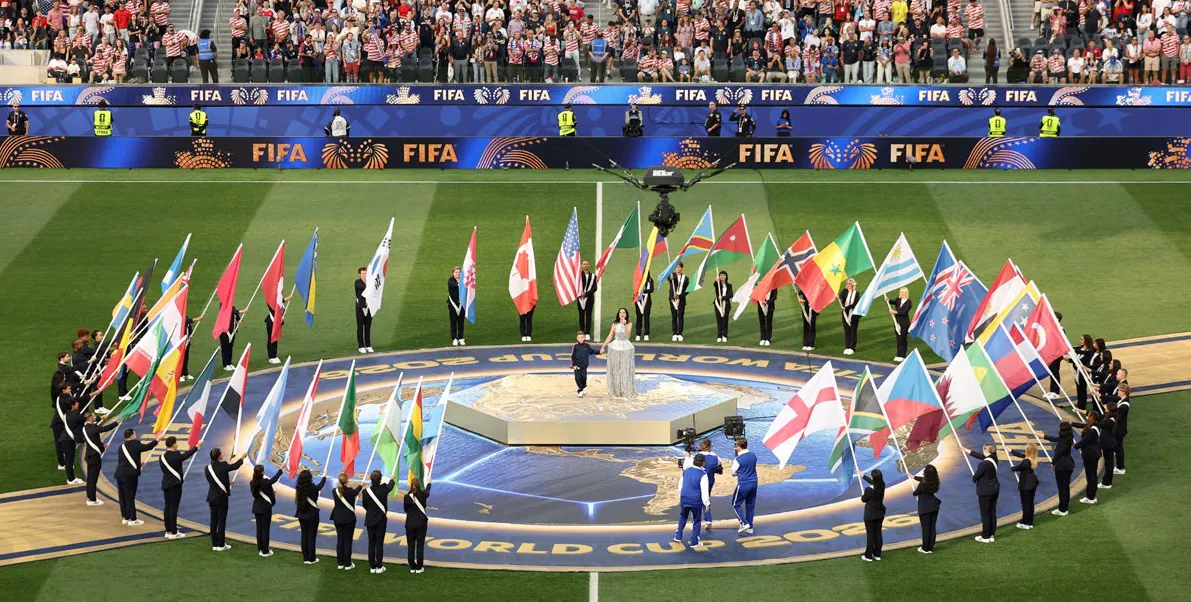
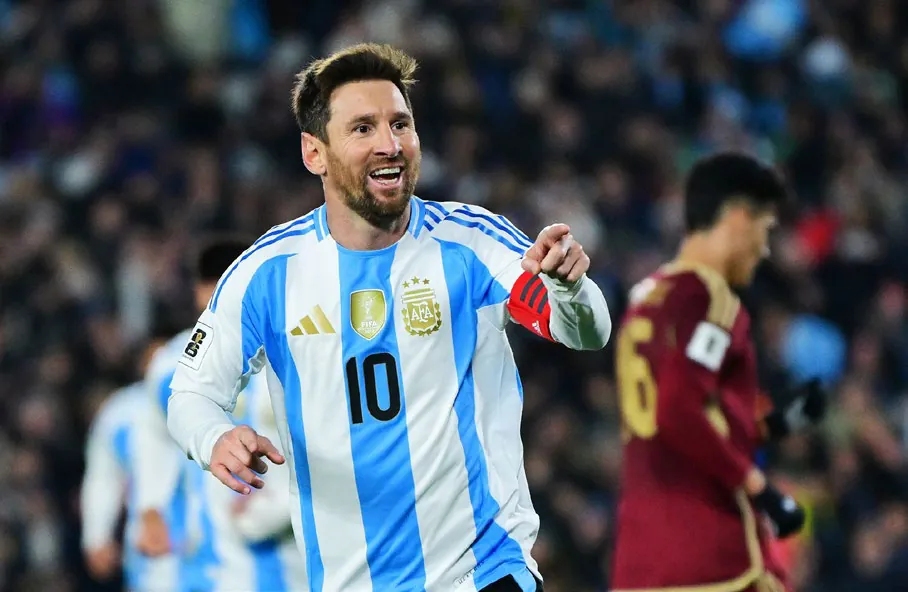
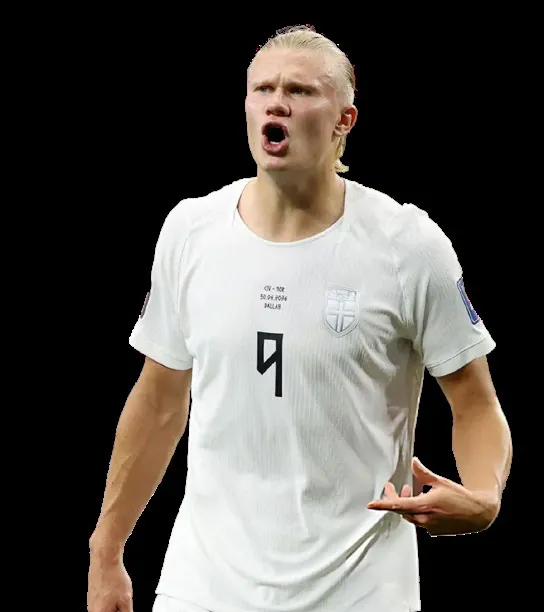
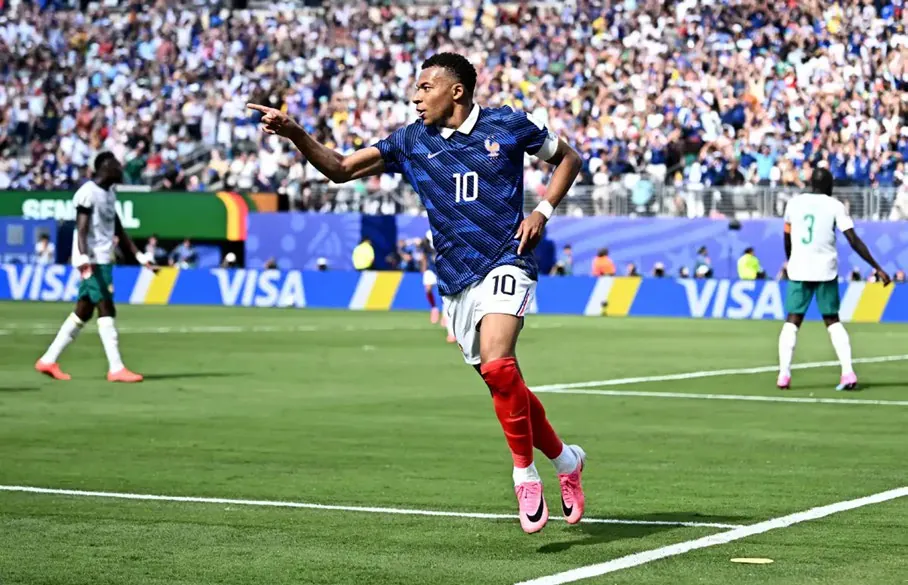
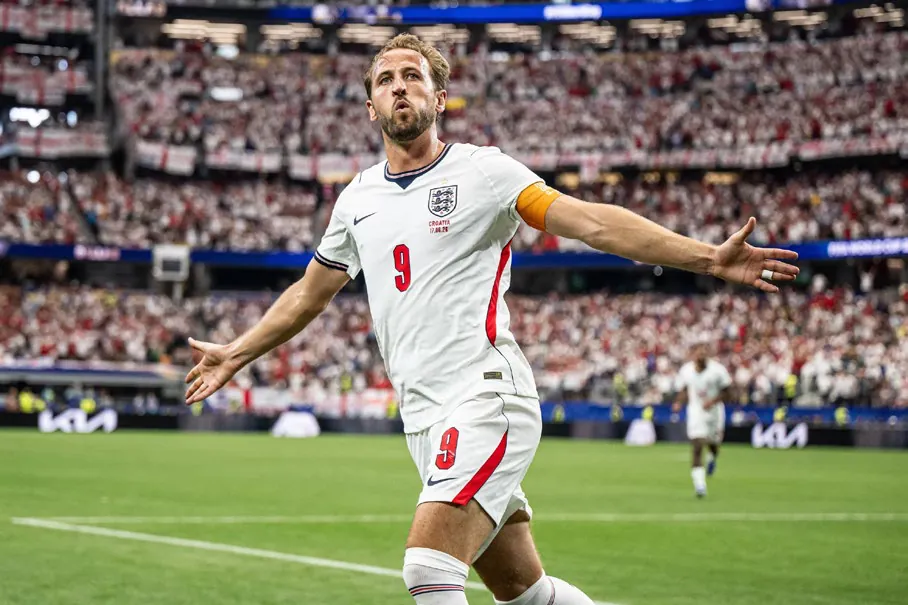
North America is currently hosting the world’s biggest sporting event. The 2026 FIFA World Cup is already making history as the largest and most ambitious tournament ever staged. Hosted jointly by the United States, Canada, and Mexico, it features 16 host cities and, for the first time, an expanded 48-team format.
If you have never considered football to be one of your interests, this World Cup may change your mind. This article will show you that the tournament has become far more than a sporting competition: it is now a global cultural and social phenomenon that is impossible to ignore.
The format of the World Cup has changed dramatically. Instead of the traditional 32 teams, 48 nations are competing for the title, resulting in a total of 104 matches. The expansion has created new opportunities for countries that had previously struggled to qualify for football’s biggest stage.
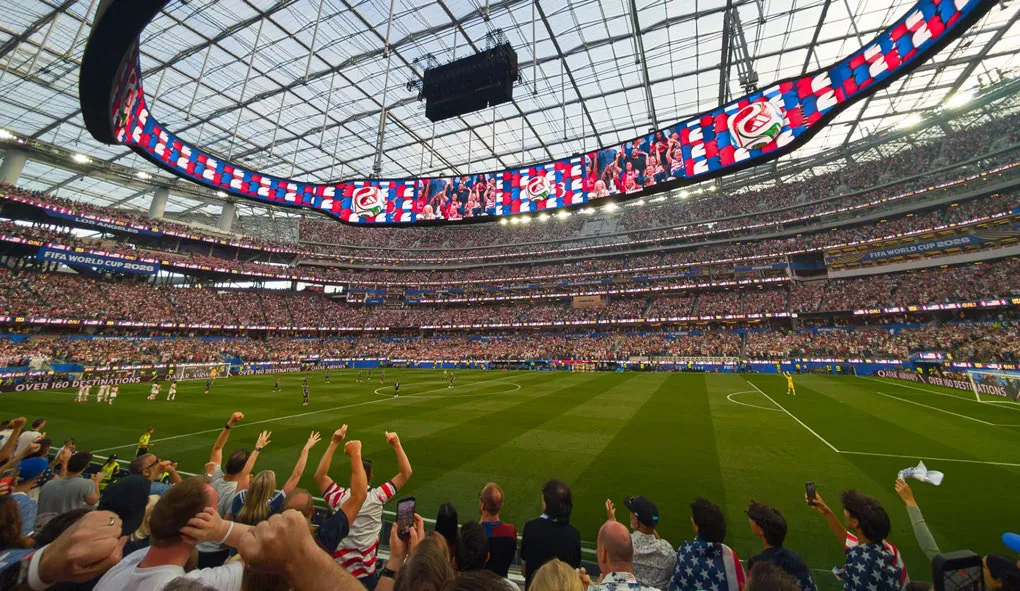
One of the most fascinating transformations is taking place off the pitch, particularly in American cities. For many years, football, known in the United States as “soccer,” was often viewed with skepticism, while basketball, baseball, and American football dominated the sporting landscape. Today, that reality has changed dramatically.
The strong start by the United States national team, including its convincing 4–1 victory over Paraguay, sparked genuine excitement across the country. Major cities such as New York, Los Angeles, Miami, and Dallas have been swept up in football fever. Finding a seat in sports bars around Times Square has become nearly impossible, while American fans who once knew little about the game now proudly wear Folarin Balogun jerseys and chant from the stands.
The World Cup has also become a remarkable multicultural celebration. As countries with diverse cultural backgrounds, the United States, Canada, and Mexico provide the perfect setting for supporters from every continent to come together. Every match becomes a vibrant festival where different languages, traditions, music, and football cultures merge into a unique global experience.
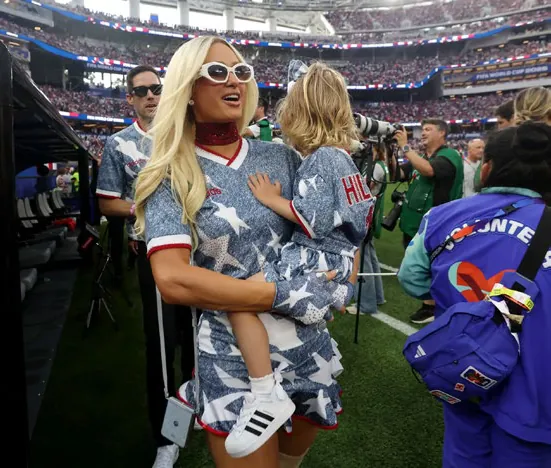
From a business perspective, this has become one of the most profitable World Cups ever. Black-market ticket prices have reached record levels, while Hollywood stars, musicians, and social media influencers regard attending matches from VIP boxes as part of their social status. Stadiums in Miami and Los Angeles have become as glamorous as red carpets. Among the celebrities frequently spotted at matches are actor Will Ferrell, a well-known football enthusiast, and Hollywood star Ryan Reynolds, who has been actively attending matches in Canada. Matthew McConaughey has attracted attention with his trademark passion, while Leonardo DiCaprio and Kim Kardashian have reportedly been seen with their families in private VIP suites in New York.
From the music world, Canadian rapper Drake has followed the tournament closely and has been a frequent guest at matches in Vancouver. Pop superstar Taylor Swift has also appeared in the stands, while fans spotted Latin music star Bad Bunny at matches in Miami and Mexico.
The tournament has also drawn major figures from other sports and business. Basketball legend LeBron James and NFL star Patrick Mahomes have shown strong interest in the championship. Mexican boxing champion Canelo Alvarez personally supported the Mexican national team at one of the country’s iconic stadiums. David Beckham has remained a regular presence throughout the tournament, while technology billionaire Elon Musk was also spotted in the VIP area during one of the key matches.
At the same time, the tournament is having a significant impact on Canada and Mexico, with cities such as Mexi- co City and Toronto welcoming unprecedented numbers of international visitors.
As the tournament has expanded, FIFA and the International Football Association Board (IFAB) have introduced several important innovations designed to improve the flow of the game, making football more dynamic and transparent.
One of the most notable changes is the public announcement of VAR decisions. When a referee reviews an incident using the Video Assistant Referee system and changes a decision, the referee now announces the reasoning to spectators inside the stadium as well as television audiences, making the decision-making process far more transparent. VAR officials may also intervene in certain incorrect corner-kick decisions and recommend that the referee overturn the original call.
To improve discipline, a strict new rule allows only the team captain to approach the referee to discuss controversial decisions. Any other player who confronts the referee or protests a decision is immediately shown a yellow card. Players who deliberately cover their mouths while speaking may also face a red card.
Special attention has also been given to reducing time-wasting. One of the most significant innovations is the Off-Field Treatment Rule, introduced to discourage simulation. If a player remains on the ground for more than 15 seconds and medical staff enter the field to provide treatment, that player must leave the pitch and remain off the field for at least one minute before returning.
The rule discourages players from delaying the game for tactical reasons, as it temporarily leaves their own team with fewer players on the field.
The rules governing the restart of play have also become stricter. If a player fails to take a throw-in within five seconds, possession is awarded to the opposing team. Goalkeepers are likewise subject to stricter time limits, and if they exceed the permitted time before restarting play, the opposing team is awarded a corner kick.
Substitutions have also been accelerated. Players have only ten seconds to leave the field after being substituted; otherwise, their team must play with one fewer player for one minute.
These measures are designed to keep the game flowing, encouraging players to act quickly rather than wasting time through unnecessary delays or simulation.
Another innovation introduced during the tournament is a three-minute refreshment break during each half. During this pause, players rehydrate while coaches have an opportunity to deliver tactical instructions, making it somewhat similar to a basketball timeout. The rule has generated mixed reactions, with some believing that it interrupts the flow of the game.
Ultimately, the 2026 FIFA World Cup, with its unprecedented scale, innovative regulations, and the diversity of North America, marks the beginning of a new, more dynamic, and more spectacular chapter in football history. We wish you many unforgettable matches and every success to your favorite national team.