Art and Culture in Rome
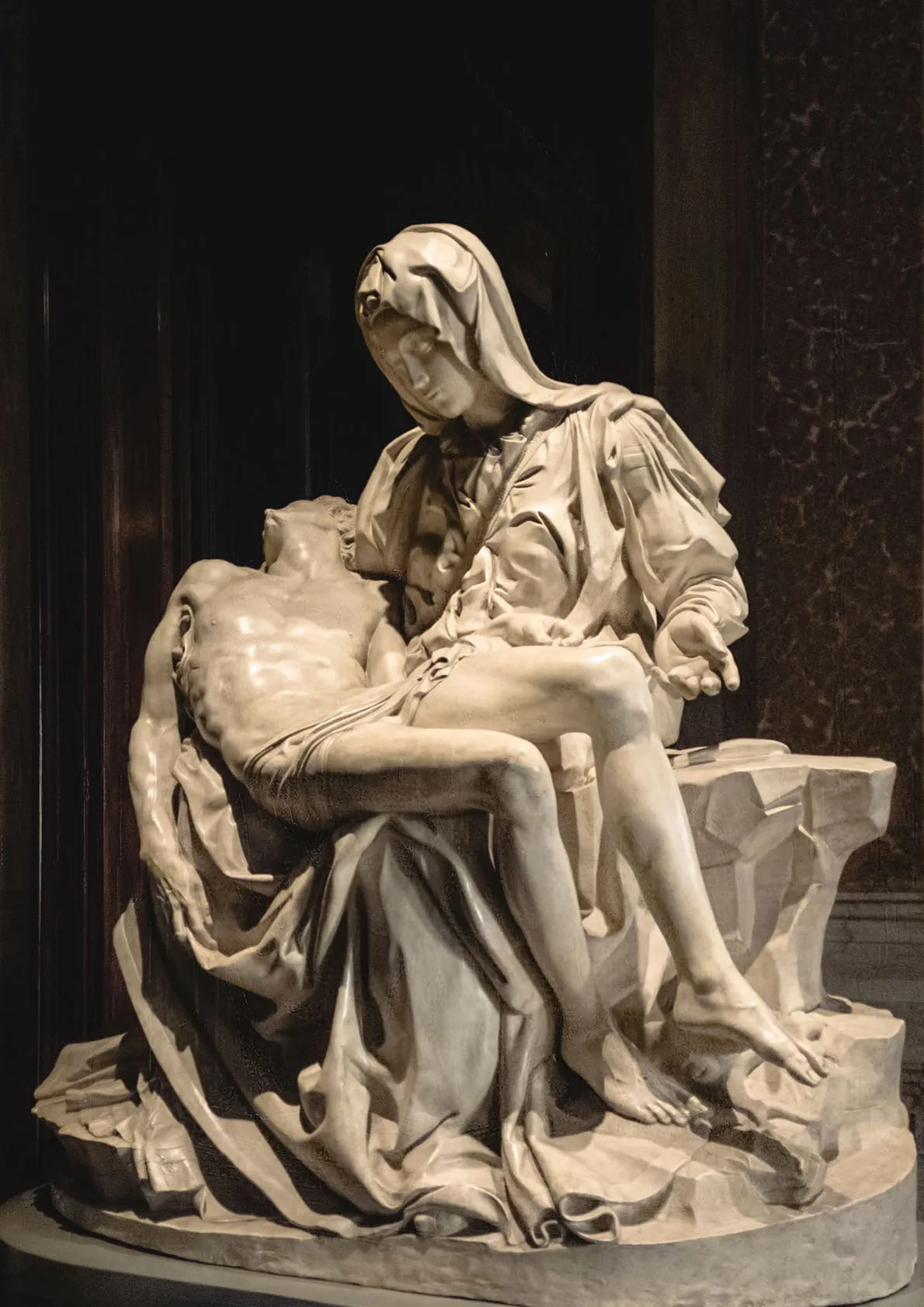
Rome is a city that feels like a grand theatrical stage, where architecture forms the scenery, centuries-old statues stand as silent performers, and art itself is a natural extension of everyday life. Here, culture is the living energy of the past, encountered at every turn. Step inside the Basilica of San Luigi dei Francesi and stand before Caravaggio’s masterpieces, and you immediately realize that the same powerful emotion captured on his canvases still echoes through the bustling streets of Rome. The grandeur of Michelangelo’s marble coexists effortlessly with modern life, inviting visitors not simply to admire great art but to experience it as part of the city’s daily rhythm.
Italian culture has remained unique for centuries because it has always belonged to the people. A visit to Piazza Navona is enough to witness this living tradition. Bernini’s magnificent “Fountain of the Four Rivers” stands at the center of one of the world’s greatest Baroque squares, where flowing water, monumental marble figures, street performers, cafes, and lively conversations create an atmosphere in which art never feels distant or academic. Instead, it is vibrant, accessible, and alive.
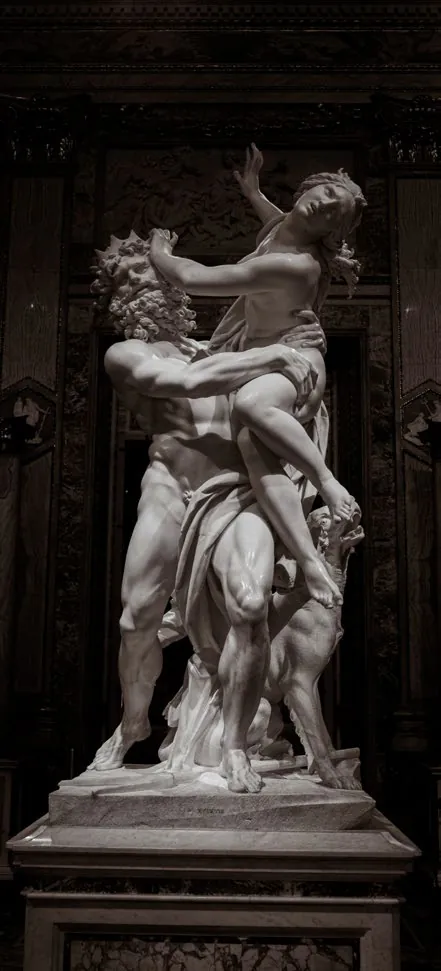
If you wish to see marble truly come to life, a visit to the Galleria Borghese is essential. Here you will find Bernini’s extraordinary masterpiece “Apollo and Daphne”, where the sculptor captures in stone the softness of human skin, the movement of the wind, and fingers transforming into delicate leaves. It is here that Roman classical sculpture reaches one of its highest artistic achievements, leaving visitors genuinely breathless.
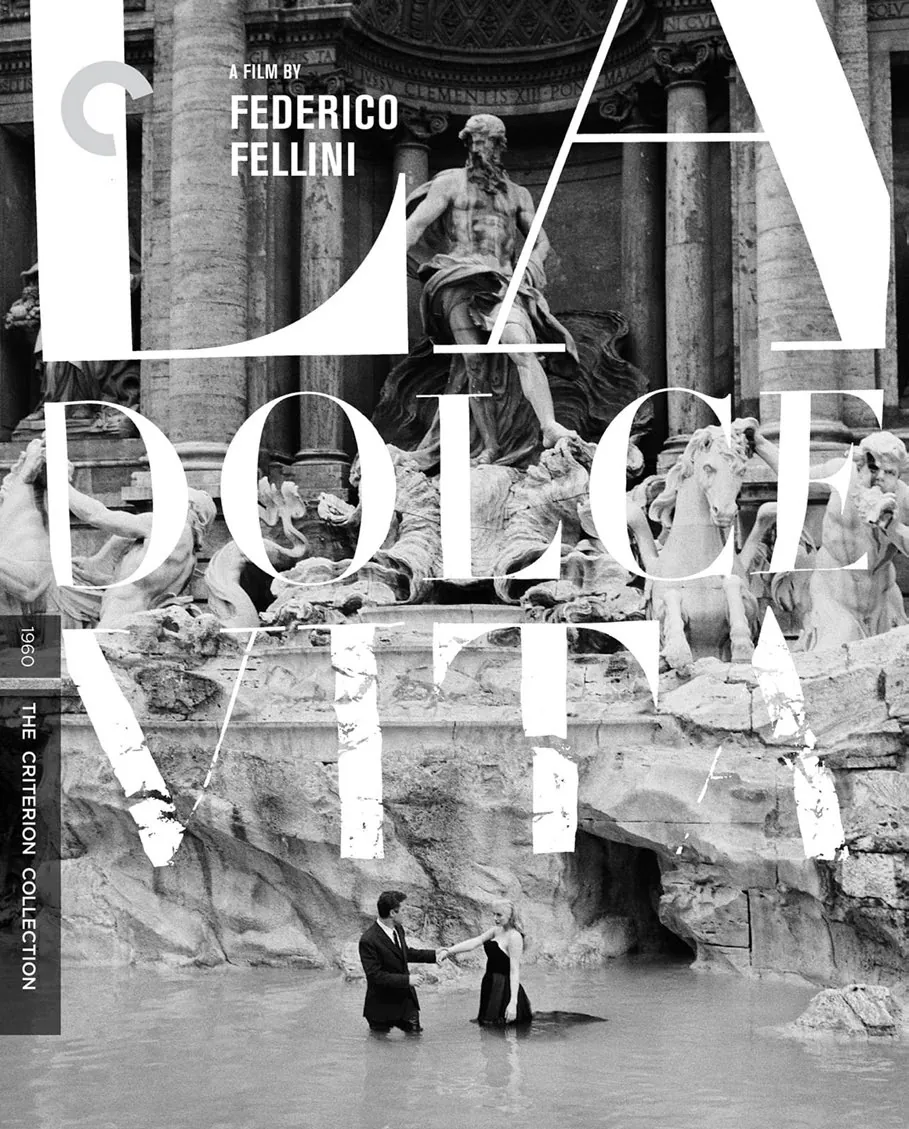
Rome’s cultural identity cannot be separated from cinema. For decades, the city has inspired some of the world’s greatest filmmakers, from Federico Fellini’s “La Dolce Vita” to Paolo Sorrentino’s “The Great Beauty” (La Grande Bellezza). Its timeless beauty possesses a cinematic quality that continues to captivate generations of visitors. Even today, it is not uncommon to meet travelers who have come to Rome to fulfill a lifelong dream inherited from their parents or grandparents. For many of them, this journey is the realization of dreams born from films they watched decades ago behind the Iron Curtain. Years later, they finally experience their own “Roman Holiday”, falling in love with life all over again beside the Trevi Fountain.
If you want not only to admire Roman culture but to become part of it, join the passeggiata at sunset - the centuries-old Roman tradition of the evening stroll. It is far more than simply taking a walk; it is a social ritual and an art form. As evening falls, elegantly dressed Romans fill Via del Corso, greeting friends, gesturing animatedly, and enjoying the simple pleasure of being together. Watching this daily ritual, you may feel as though time has stood still and that somewhere along these very cobblestones, Sophia Loren and Marcello Mastroianni are still strolling with their effortless, timeless elegance. At that moment, you realize that Rome’s greatest cultural monument is not its architecture, but its people.
მიქელანჯელოს მარმარილოს დიდებულება აქ მშვიდობიანად თანაარსებობს ამ თანამედროვეობასთან, რადგან რომში ხელოვნება და კულტურა გთავაზობთ, არ იყოთ უბრალოდ პასიური დამკვირვებელი, არამედ თავად გახდეთ ამ მარადიული სანახაობის ნაწილი. Yet Rome also possesses an unexpectedly intimate side, where its classical heritage meets contemporary street culture. Just a few steps from the monumental grandeur of the Colosseum, the narrow lanes of Trastevere reveal an entirely different atmosphere. Beneath the shimmering 12th-century golden mosaics of the Basilica of Santa Maria in Trastevere, local artists display their paintings directly on the cobblestones, while street musicians perform timeless Italian melodies on their guitars.
Here, the grandeur of Michelangelo’s marble coexists harmoniously with modern life, because in Rome, art and culture invite you not merely to observe, but to become part of this timeless spectacle.