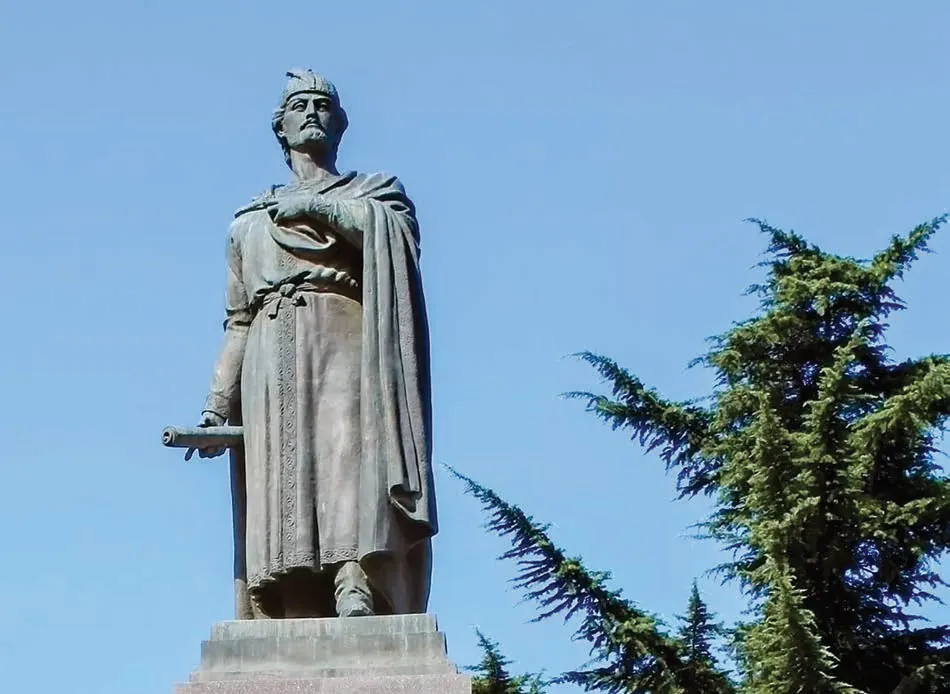
The Knight in the Panther’s Skin an Eternal Symbol of the Georgian Soul
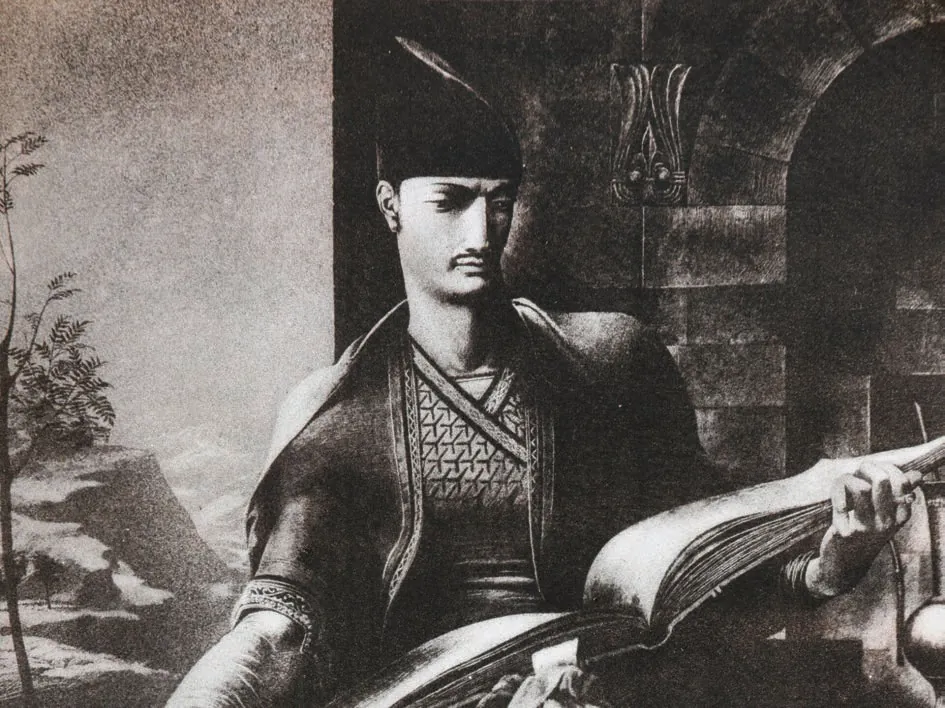
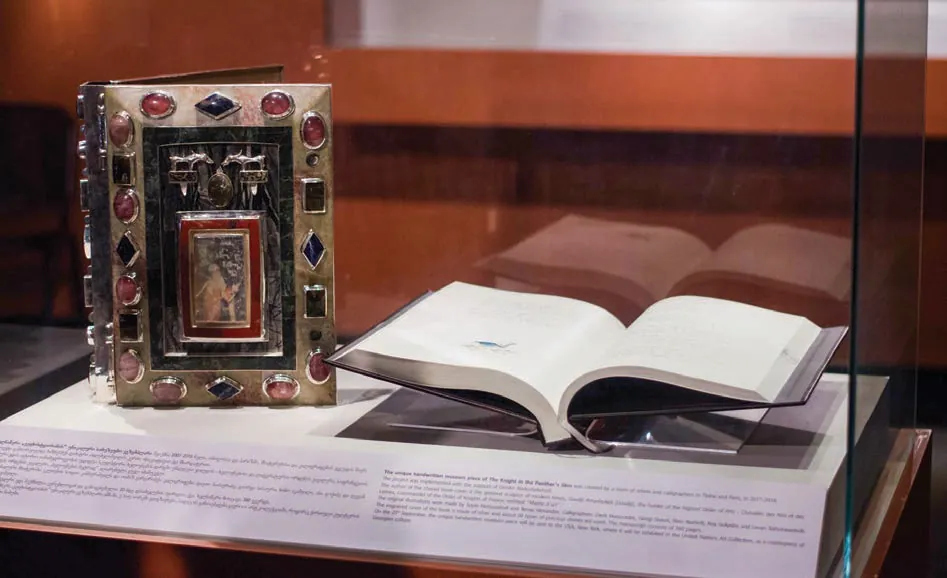
What does it mean to be Georgian? What does it mean to love, to have dignity? The answers to these questions lie within a single book — the one Shota Rustaveli gifted us, titled Vepkhistkaosani, known in English as The Knight in the Panther’s Skin.
This text, written centuries ago, remains as relevant today as it was when it was composed. The immortal poem is not only the crown jewel of Georgian literature but also one of the great masterpieces of world literary heritage. It is more than poetry — it is a profound reflection on philosophy, love, politics, faith, and dignity — everything that shapes the human.
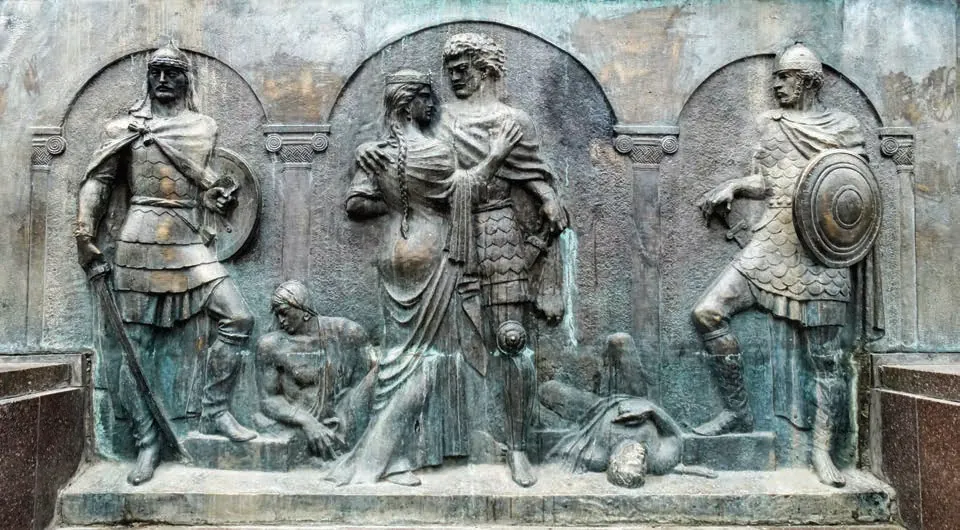
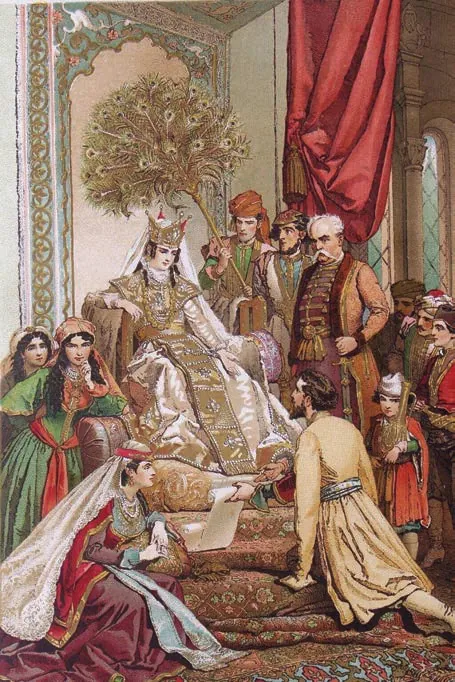
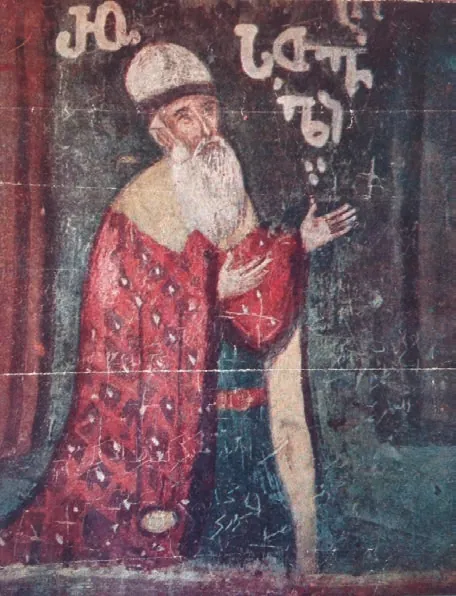
Shota Rustaveli lived during the reign of Queen Tamar in the 12th and 13th centuries — a time Georgians proudly call the “Golden Age.” Rustaveli served in Queen Tamar’s court and utilized his literary genius to immortalize the grandeur of the era, prompting future generations to reflect on timeless truths.
The poem comprises around 1,660 quatrains 1,660 quatrains in different editions, each verse consisting of four lines with four lines with sixteen syllables per line. sixteen syllables per line. Within this rhythmic structure, Rustaveli weaves together themes of love, friendship, dignity, wisdom, kingship, and faith in God.
The Knight in the Panther’s Skin opens with the powerful words:
He who created the firmament, by that mighty power made beings inspired from on high with souls celestial; to us men He has given the world, infinite in variety we possess it; from Him is every monarch in His likeness.
In this opening quatrain, Rustaveli expresses the central idea of creation: that all things — celestial and earthly — are born of divine power. God is the origin, the breath of life, and the moral order. The universe, Rustaveli tells us, is not only material but spiritual, infused with the divine.
The poem’s heroes — Tariel, Avtandil, Nestan-Darejan, and Fridon — are not just characters in an epic; they are enduring symbols of Georgian virtues: honor, courage, loyalty, and generosity. Their adventures, heartbreaks, sacrifices, and triumphs still speak to readers today.
The language and style of The Knight in the Panther’s Skin are rich and musical, layered with metaphors, allegories, and wisdom. Rustaveli’s vision of the world promotes justice, spiritual freedom, equality, tolerance, and loyalty — values that continue to resonate. The poem has been translated into many languages and is often compared in depth and imagination to the works of Dante, Goethe, and Shakespeare.
For Georgians, The Knight in the Panther’s Skin is a cornerstone of national identity. For centuries, it has served as both a literary treasure and a moral compass. Rustaveli taught generations how to live with integrity, love with purity, and think with depth. The poem remains a required text in Georgian schools’ curriculum to this day.
In many households, it lies side by side with the Bible. In the past, it was even given as part of a bride’s dowry — a symbol of love, wisdom, and honor. The message was clear: every woman should enter her new life with a book that teaches how to preserve loyalty, uphold dignity, and cultivate love. That tradition, in some form, still survives today.
For centuries, the poem’s verses have formed a spiritual bridge between generations. And even now, when you open its pages, you understand why The Knight in the Panther’s Skin is not just a poem — it is a national treasure.