Rooms Studio
How did the story of Rooms Studio begin?
We founded Rooms Studio in 2007. Before that, we studied together at the Interior Design Faculty of the Tbilisi Academy of Arts. In 2003, after graduating from university, we began working together on various interior projects.
What is the interior like from the perspective of Rooms Studio?
Understated yet alive and architecturally interesting.
What do you think is Rooms Studio’s signature that sets you apart from others in the market?
Our vision has been shaped over the years through self-discovery. It involves identifying the historical and cultural past and transforming it into a contemporary local and global context through the prism of our memory and perception. This process constantly evolves, as our practice is also based on observing the present and maintaining a constant dialogue.
How would you describe the interiors of Tbilisi buildings?
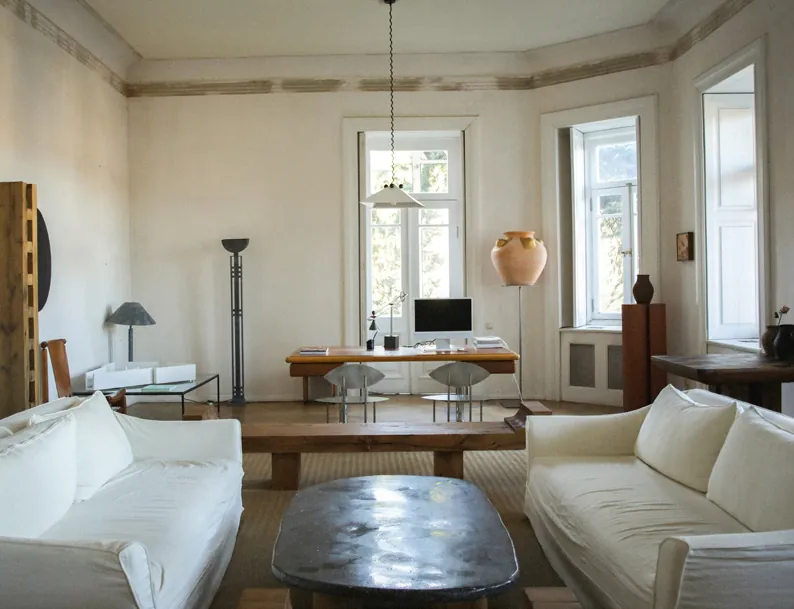
For us, the interior spaces of Tbilisi buildings are imbued with history and emotions.
When we talk about interior design, what are the main stages of the process?
First, we observe the given architectural space because we begin thinking about the project from the perspective of the space. Then, we try to convey our vision in various forms, where the basic design idea begins to emerge.
Tell us about one of your special and famous projects, Hotel “Rooms”
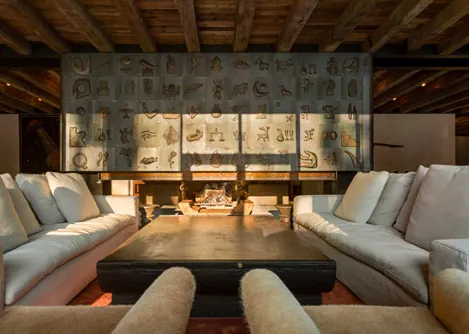
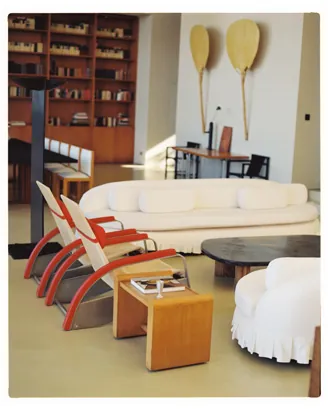
Of the “Rooms” hotel projects, we would single out Rooms Kokhta in Bakuriani, established in 2019. We believe our signature is most evident there. This space allowed us to unite both our practices—interior and furniture design—and execute them as one. Rooms Kazbegi was one of our first major projects, the interior and exterior of which we worked on in 2012. In general, all Rooms hotels are designed in collaboration with their founder and Adjara Group.
The achievement you are particularly proud of...
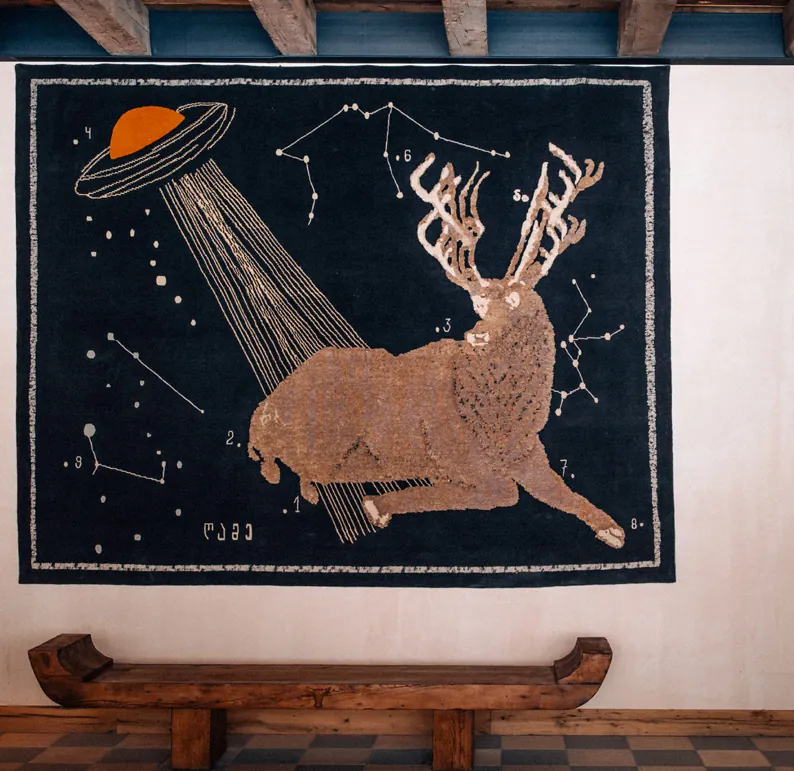
Perhaps we have made a small contribution to the development of design by developing a modern Georgian visual language.
Advice that you would share with non-professionals when working on interior design...
Consider the existing context—space, location, and current conditions. Avoid copying, as it often results in something that feels out of place and insincere in relation to the actual context.
Respondents: Nata Janberidze, Keti Toloraia