Fabric Ornament from Adjara
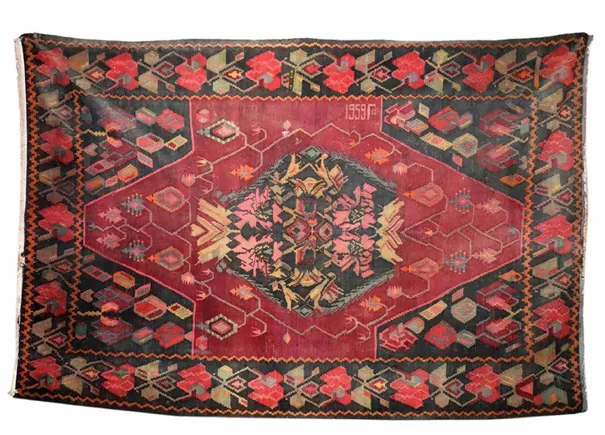
Georgian folk decorative-applied art is characterized by regional diversity and deep-rooted traditions. Over a long historical development, it reflects the relationship between humans and nature.
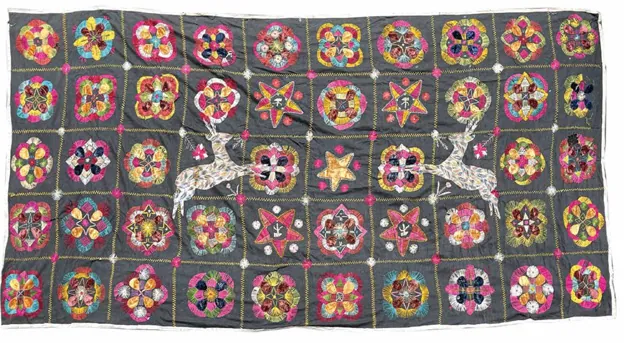
In Georgia, particularly in Adjara, great importance has traditionally been attached to needlework. In Adjara, embroidery was a necessary attribute of a bride’s dowry. Embroidery traditions are an integral part of Georgian traditional culture and represent a fascinating continuation of it. Adjarian embroidery is characterized by a variety of motifs and ornaments, commonly featuring animal, plant, and anthropomorphic figures, as well as geometric shapes. Notably, symbols like the Tree of Life and Borjgali are related to the archaic cult of fertility. Adjarian embroidery has close intersections with artistic-symbolic forms used in Georgian church embroidery, including motifs such as crosses, rhombuses, stars, crosses embroidered within them, and representations of birds, fish, deer, carnations, sun symbols, and four-eared plant ornaments. Particularly interesting are the various interpretations of the Tree of Life theme.
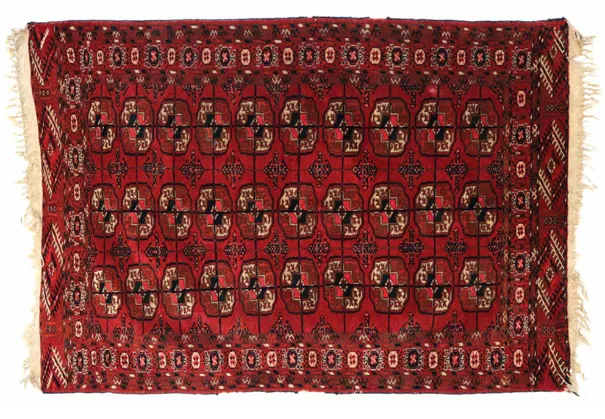
In the past, the indigenous population mainly dressed in locally made clothes. Local raw materials included wool, flax, hemp, goat fur, and silk. Carpets, khurjinis, chokha-shawls, socks, gloves, kabalakhi, and pe- shtemlebi (women’s aprons) were woven from wool. The belts of Adjarian women’s dresses, known as bagh or baighi, which ended with fringes, were woven from colored thread.
In Adjara, various embroidery techniques decorated both women’s clothes and interior decorations, such as cradles (artakh). The embroidery, primarily characterized by plant motifs, employed the “water technique” and the “wrapping” method of filling figures. Rarely, the cross-stitch technique, more characteristic of the eastern mountainous regions, was also found. Fine beads were often used to decorate the embroidery. Chviruli, lace-embroidered bed linens, curtains, tablecloths, and other items were made from white fabrics.
The dowry determined the motifs used to decorate fabrics, which were often related to themes such as reproduction, fertility, and family well-being. Thus, they were directly linked to marriage, family, and ancient symbols of household. For instance, wall hangers known as “Daroshkas,” made of white cotton fabric, are typically hung in pairs and diagonally in Adjara houses. These fabrics feature vibrant color compositions depicting plants, animals, and people.
Birds are particularly popular in fabric decoration, often arranged around a centrally placed plant. Commonly featured birds include roosters, peacocks, and various other avian species. Birds are considered creatures residing at the highest point of the world’s axis, serving as mediators connecting this world with the next. The peacock, symbolizing immortality and eternity (known as the Egyptian vulture Phoenix), is noted for renewing its feathers in spring. Its outstretched tail motif is often associated with the Tree of Life.
Among the textiles preserved in Adjara, the figure of a deer holds particular significance. In folk representations, it serves as a link between different animals and symbolizes the tree of life with its branching horns. This symbolism is especially evident in Georgian fairy tales, where depictions of a deer’s face holding up the sky’s vault with its horns are frequently encountered.
The peculiarities of the ornaments found in textiles preserved from Adjara’s history reveal ancient archetypal motifs and their vitality. This vitality owes much to the preservation of the traditional way of life in the mountainous region. Even today, in the villages, numerous craftsmen employ traditional techniques, carrying on the living legacy passed down from their ancestors.
In ancient times, the people of Adjara utilized silk thread for embroidery, dyeing it as needed. Additionally, they repurposed threads from knitted garments that were no longer in use. Approximately a hundred names of these colorful fabrics have been preserved. Examples include Grekhilai, Chititvalai, Jvarai, Kuchai, Prunchiai, Tredipekhai, etc.
Another popular item is the “Muzhde” pillow, which is presented to the well-wisher of the wedding. It is specially sewn and embroidered by the bride herself. This small pillow symbolizes joy and good news. In Upper Adjara, the culture of traditional preservation, maintenance, and passing down of this work to future generations is best expressed by the proverb that originated here: “Don’t destroy the old sock before knitting a new one.”